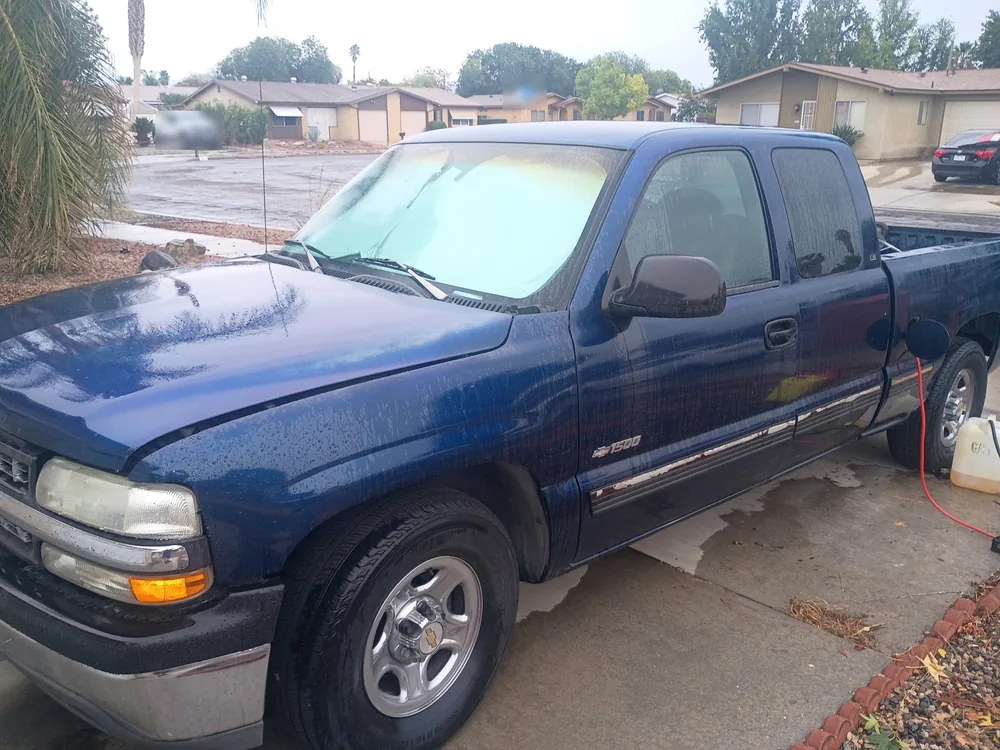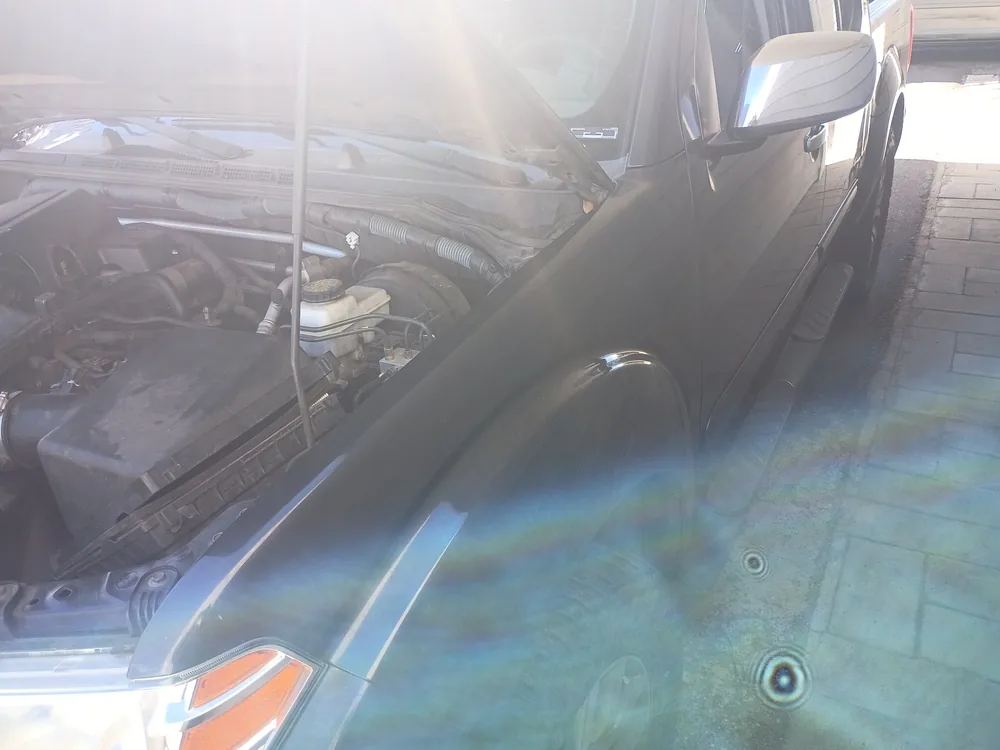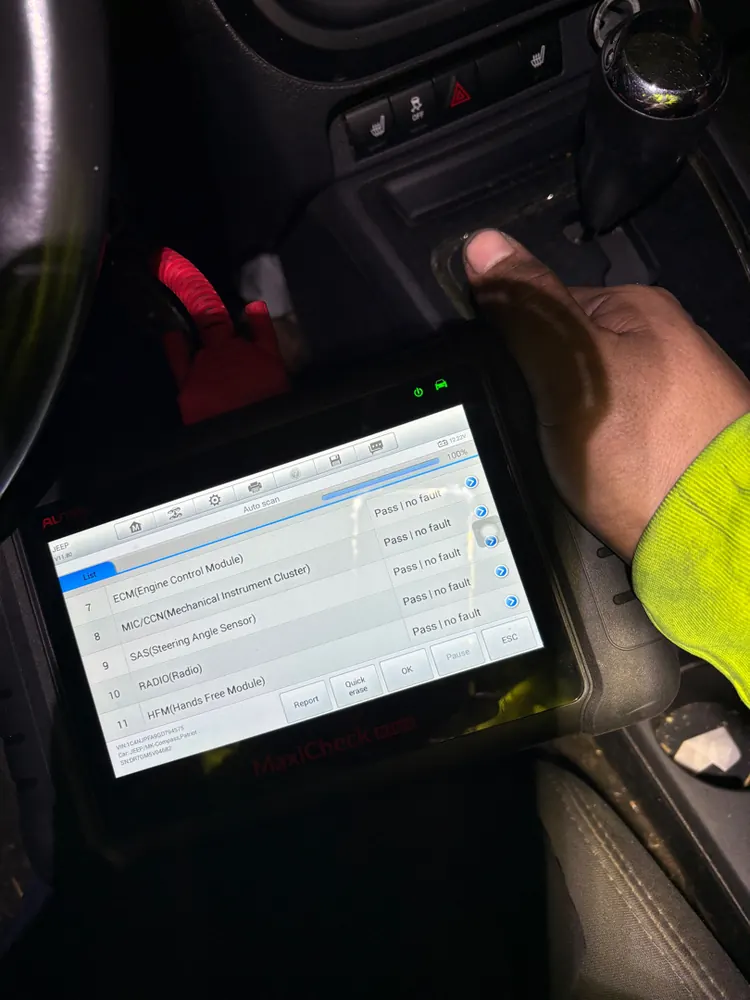
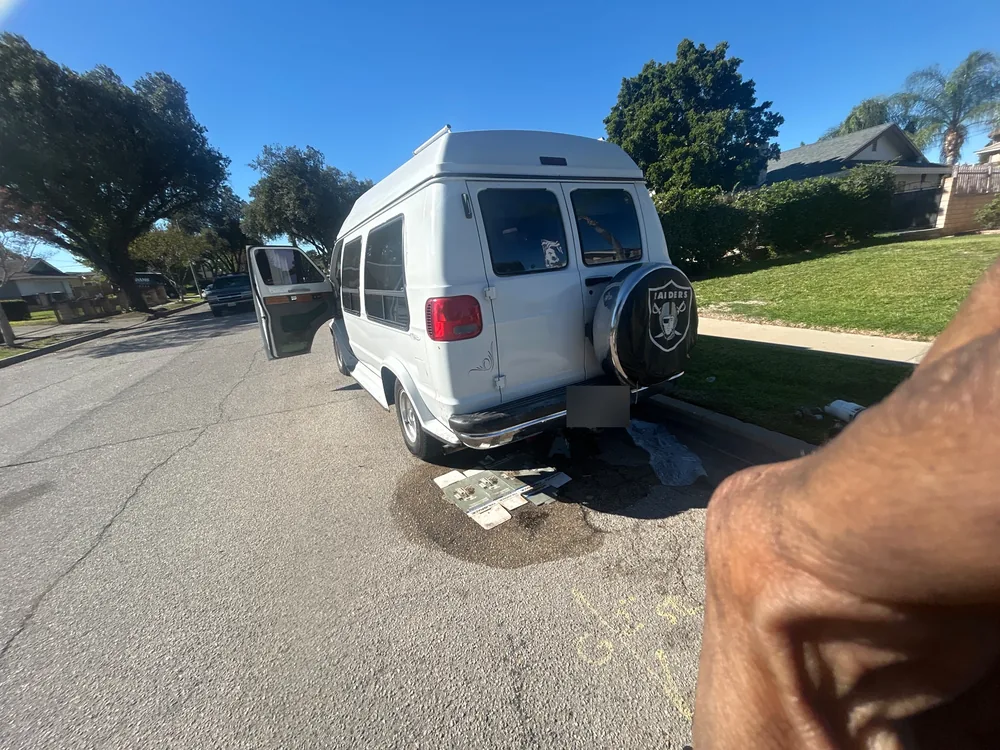
Quick answer. This 1994 Dodge Ram Van had 198,000 miles on it. Our tech found the fuel pump was not sending fuel to the front line, where the engine is. The fix was a new fuel pump assembly. The job record shows 3 hours of labor at $150 an hour and the pump assembly at $393.30, for $843.30.
Key Points
- The van came to us for a fuel pump replacement.
- Our tech's finding: the pump was not sending fuel to the front line.
- The odometer read 198,000 miles.
- We put in a whole fuel pump assembly, not just a bare pump.
- The record shows $450 in labor and $393.30 for the assembly. That is $843.30.
Read our guides a lot? Star Supercanic as a source in Google and our new posts show up more often in your Top Stories.
What Was Wrong
The worst part first. The fuel was not getting to the engine.
On this van the fuel pump sits back in the tank. The engine sits up front. A line runs between them. Our tech found the pump was not sending fuel up that line to the front.
An engine with no fuel coming up the line does not run. There is no part up front that can make up for it. So the pump had to go.
What We Did
The job was a fuel pump replacement, done at the curb. Our tech put in a new fuel pump assembly. That is the pump with its mount and parts already on it, in one piece.
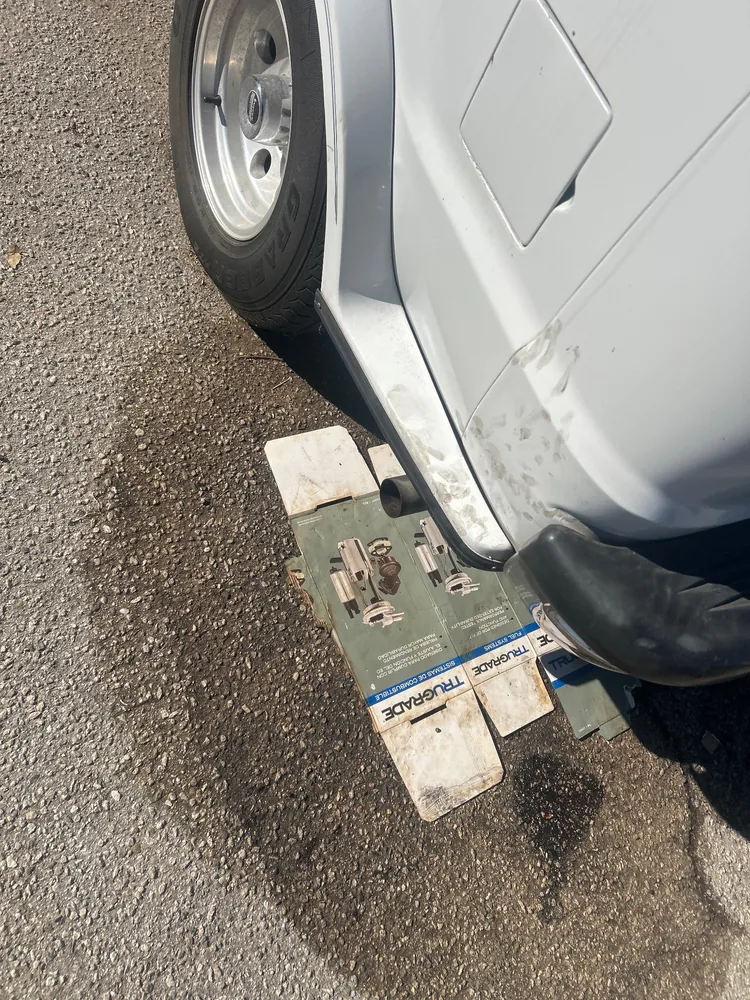
The record lists 3 hours of labor for the swap.
The record does not list a test drive note or a follow up. So we will not tell you more than what is on the ticket.
1994 Dodge Ram Van, November 9, 2026
Came in for: a fuel pump replacement, at 198,000 miles.
Our tech found: the pump was not sending fuel to the front line.
What was done: a new fuel pump assembly, 3 hours of labor.
Cost on record: $450 labor plus $393.30 for the assembly, $843.30.
Why Fuel Pumps Fail in General
This part is general. It is not what our tech found on this van.
Dirt is a big one. One pump maker says contamination is the most common cause of fuel pump trouble and early failure. It lists rust, old fuel from a car that sits, and late filter changes as ways dirt gets in (MS Motorservice). Carter, another pump maker, says bad fuel can clog the filter and harm the pump too (Carter on Ratchet and Wrench).
Driving on empty hurts too. Carter says the pump needs fuel around it to stay lubed, and too little fuel too often can make it dry out and overheat. It tells drivers to keep the tank at least a quarter full (Carter on Ratchet and Wrench). The other maker says the same thing about running dry. Fuel flowing through the pump cools it and keeps it lubed (MS Motorservice).
Wiring matters. Carter says a worn pump draws more amps, and that can burn the connector. A burned connector can kill the new pump as well, so the plug gets checked when the pump goes in (Carter on Ratchet and Wrench). A repair guide says loose or corroded wires can make a pump run slow or not at all (AA1Car).
Why a Whole Assembly, Not Just the Pump
A repair guide from AA1Car says to replace the whole module, not just the pump. It costs more, but it goes in easier. It also says the fuel gauge contacts on an old, high mile sender are often worn or corroded (AA1Car). A new assembly comes with a new sender and filter screen already on it. That same guide also says to check the filter screen and the tank, because a dirty tank can kill a new pump fast (AA1Car).
The same guide warns that many pumps get replaced when they were never the problem. It says to rule out a plugged filter, a bad relay and bad wiring first (AA1Car). That is why our tech wrote down what the pump was doing before it came out. The finding lives on the job in Shop Desk, the software our San Jacinto shop built. Any mechanic can use it free.
Recalls Worth Checking on a 1994 Ram Van
None of these are about the fuel pump. NHTSA lists two recalls on certain 1994 Dodge B250 conversion vans built by Sherry Designs, one for head restraints and one for armrests (NHTSA recall 94V177, NHTSA recall 94V139). It also lists one on certain Class B motorhomes built by Home and Park on the B350 chassis. On those, the parking brake cable can rub through the rear brake line (NHTSA recall 94V163, NHTSA, 1994 Dodge B350).
These recalls apply to certain vehicles only. Our job record does not say which model or converter this van is, or whether any recall was done. You can check yours on the NHTSA site.
Frequently Asked Questions
How much did this fuel pump job cost?
The record shows 3 hours of labor at $150 an hour, $450, plus $393.30 for the fuel pump assembly. That is $843.30.
Where is the fuel pump on a 1994 Dodge Ram Van?
It sits back in the fuel tank. The engine is up front, and a fuel line runs between them.
What does "not sending fuel to the front line" mean?
It means the pump was not pushing fuel from the tank up the line to the engine. With no fuel coming up, the engine cannot run.
Should I replace just the pump or the whole assembly?
On an old, high mile van, the whole assembly is often the better buy. It comes with a new sender and filter screen, so you are not putting a new pump on worn parts.
Can a mobile mechanic replace a fuel pump at my house?
Yes. This one was done at the curb, not in a bay.
What We Read
- AA1Car, How to Replace an Electric Fuel Pump
- Carter on Ratchet and Wrench, What Causes Fuel Pumps to Fail?
- MS Motorservice, Contaminated Fuel, Damage Through Contamination
- NHTSA, Recall 94V177, Head Restraints
- NHTSA, Recall 94V139, Armrests
- NHTSA, Recall 94V163, Parking Brake Cable
Supercanic tip: Keep the tank at least a quarter full, and ask what test showed the pump was bad before you buy one. Call us at (951) 904-2477 and we will test before we touch.
Van Cranks but Will Not Run?
We come to you, find where the fuel stops, and show you before we fix it.