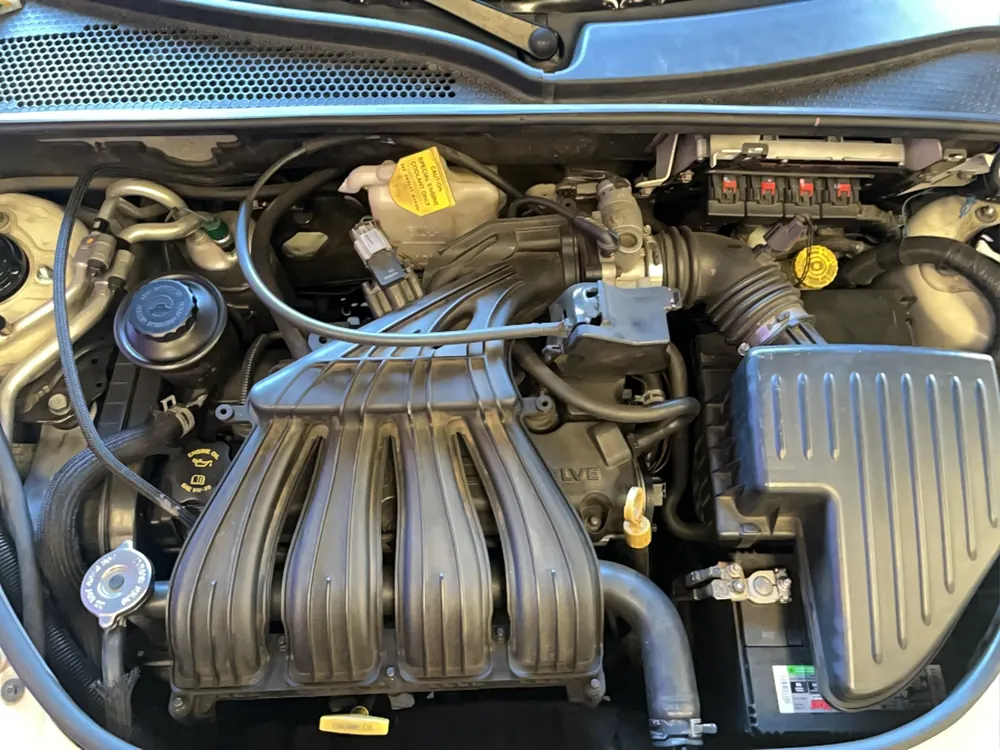
Belt vs Chain

Timing Belt or Timing Chain?

Not sure which your car has? Here's the difference — and why it matters for your maintenance schedule.

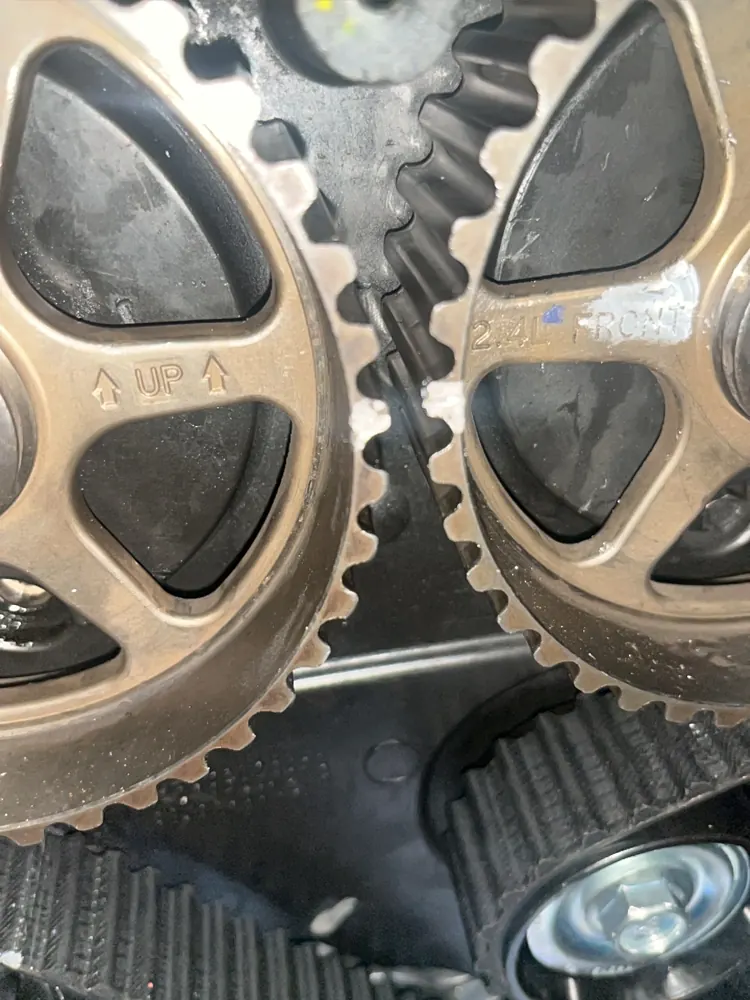
Timing Belt

Made of rubber with teeth. Quieter but wears out over time. Must be replaced on a schedule or it will break without warning — destroying the engine in interference engines.

⏱ Typical replacement: 60,000–100,000 miles  |  ⏱ Labor time: 2–5 hours

Timing Chain

Made of metal links. Designed to last the life of the engine with regular oil changes — but can stretch or rattle when oil maintenance is neglected.

⏱ No set interval — replace when noisy or stretched  |  ⏱ Labor time: 3–20 hours depending on engine

What's Included in a Timing Service

  • Timing belt or chain replacement
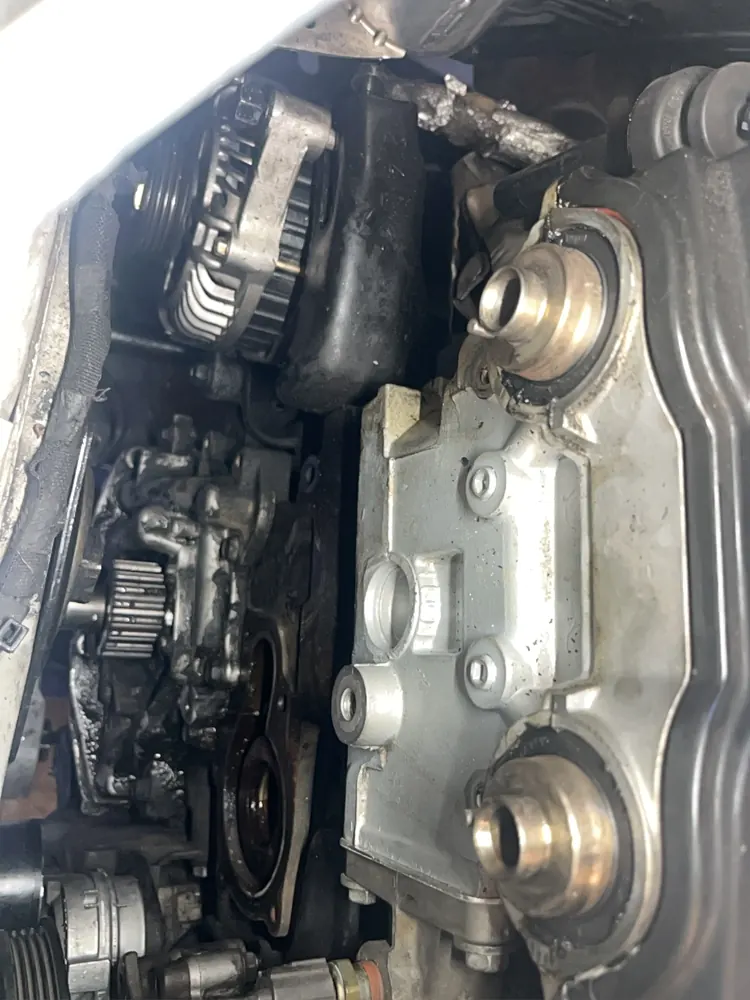
  • Water pump replacement (recommended)
  • Tensioner & idler pulley replacement
  • Camshaft & crankshaft seals
  • Drive belts inspected & replaced if needed
  • Coolant flush if water pump replaced
  • Full road test after completion

Pro tip: Always replace the water pump when doing a timing belt — it's driven by the same belt and costs much less to replace now than later.

Book This Service

⚠️ Warning Signs

  • Ticking or slapping noise from engine
  • Engine won't turn over
  • Misfires on multiple cylinders
  • Oil pressure warning light
  • You're approaching your service interval
By Vehicle Type

Timing Service for Every Make & Model

🚗

Standard Vehicles

Most Honda, Toyota, Subaru, Mitsubishi models. Belt systems typically 2–4 hours.

🚙

Trucks & SUVs

Ford, Chevy, Dodge, Toyota. Chain or belt depending on engine. 3–6 hours typical.

🏎️

European Imports

BMW, Audi, VW, Mercedes. More complex — especially BMW chain systems up to 20 hours.

🚛

Diesel Engines

Power Stroke, Cummins, Duramax. Timing service often includes gear drive or chain service.

Don't Let Your Timing Belt Surprise You.

If you're near your mileage interval or hearing a ticking noise, call us today. A timing service is far cheaper than an engine replacement.

Get a Free Quote 📞 (951) 644-1599