Cooling System
Why Cars Overheat in Valley Heat, and What to Do in the First Five Minutes
📅 August 28, 2026
✍️ Supercanic Team
⏱ 6 min read
It is 105 degrees on the 79 and the needle is climbing. This is the most common call we get in August, and what you do in the next five minutes decides whether this is a $200 day or a $4,000 one.
Quick answer. Turn the air conditioning off, turn the heater on full, and pull over as soon as it is safe. Do not keep driving to get home. An engine that overheats for two more miles can warp a cylinder head, and that repair costs more than every cooling part on the car put together.
Heat has to go somewhere. If the radiator is not moving it, the heater core is the only other radiator on the car, so you use it. It is miserable in August and it works.
If the temperature light came on and stayed on, the car needs to be looked at before it is driven again. We would rather come to you than meet the same car on a flatbed two days later.
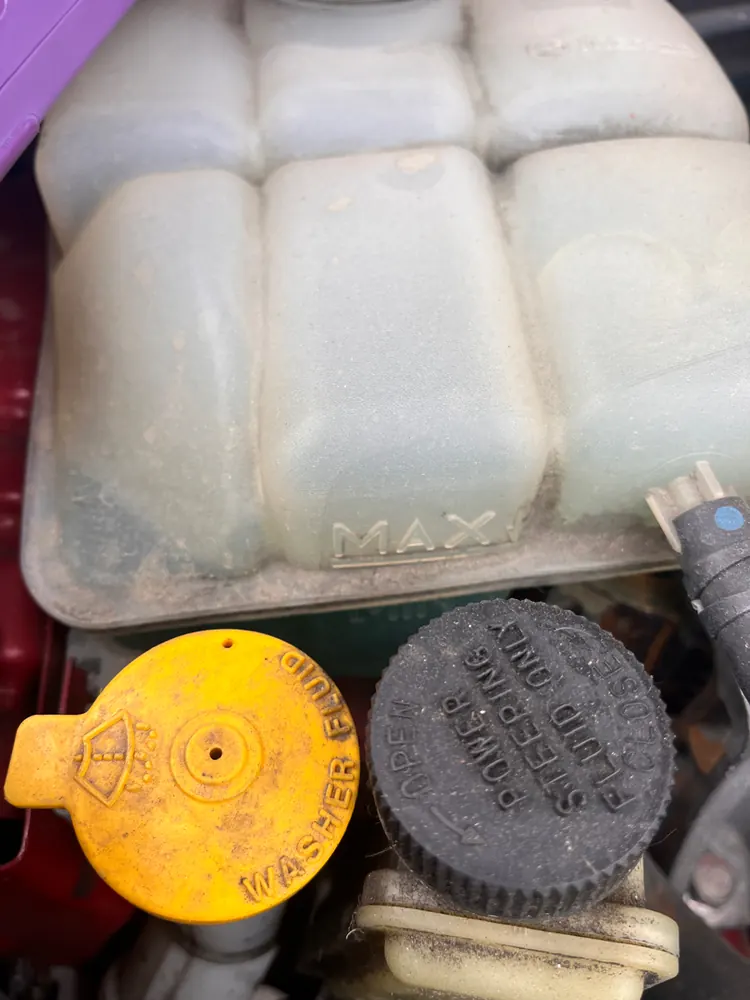
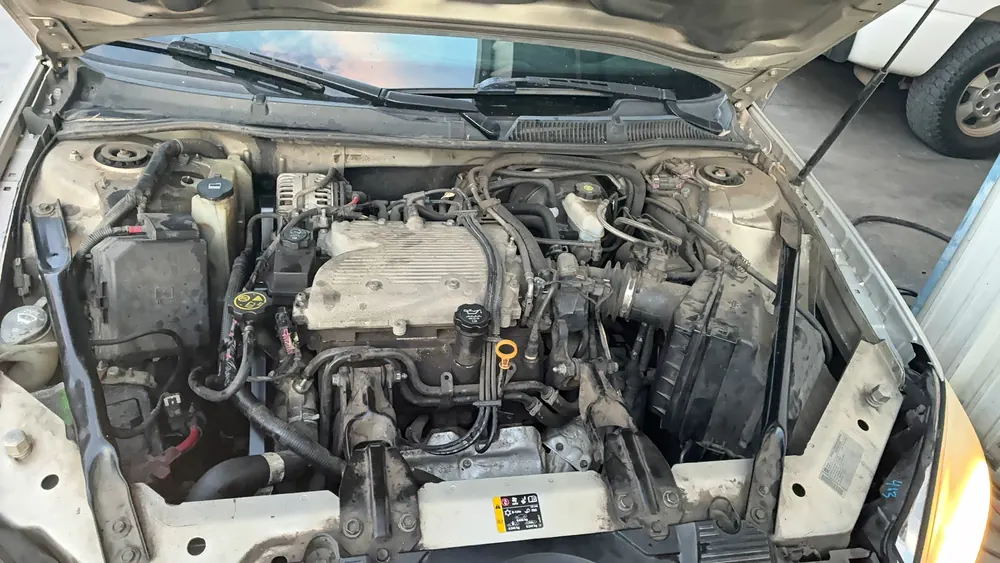
Overheating feels dramatic but the cause is almost always one of four ordinary parts.
| Cause | What You Notice | Typical Repair |
|---|---|---|
| Coolant leak | Low reservoir, sweet smell, a puddle, steam | $180 to $700 depending on the part |
| Stuck thermostat | Overheats fast, heater blows cold, gauge swings | $220 to $500 |
| Cooling fan not running | Fine on the freeway, hot in traffic and at lights | $350 to $900 |
| Failing water pump | Whine, weep hole dripping, coolant loss with no obvious leak | $500 to $1,200 |
Those ranges are for the cars we see most in Riverside County. A V6 with the pump buried behind a timing cover runs higher, and a truck with an easy pump runs lower. We quote the actual car before anyone turns a wrench.
A cooling system that is 20 percent weak gets away with it in March. In August there is no margin left. Ambient air near 110 degrees means the radiator has far less temperature difference to work with, air conditioning runs constantly, and a lot of driving here is uphill out of the valley with the car loaded.
That is why the same car that was fine all spring boils over on the first triple digit weekend. Nothing broke that day. The reserve just ran out.
That last test is the one that matters most. A head gasket diagnosed on a Tuesday is a repair. A head gasket found after somebody drove it another week is often a whole engine, and our engine replacement cost guide covers what that actually runs.
Supercanic tip. If you top off coolant and it is low again next week, there is a leak, and a slow leak in August becomes a roadside stop in September. Call us at (951) 644-1599 and we will pressure test it in your driveway.
A hose is a cheap part. A head gasket on a four cylinder is usually $1,800 to $3,000 with machine work, because the head comes off, goes out to be checked and resurfaced, and goes back with new bolts. If the head warped badly or the engine ran out of oil in the process, it becomes an engine.
Every one of those jobs started as a $30 part and two more miles of driving.
We come to you in Hemet, San Jacinto and across Riverside County, or we tow it in.