Quick answer. In California, a catalytic converter replacement usually costs about $1,200 to $3,500 installed on a common car or truck. It costs more here than in other states because the converter must be approved by the California Air Resources Board for your exact vehicle. Before you buy one, make sure the converter is really the problem.
Key Points
- California only allows converters approved by CARB for your make, model, year and engine.
- Used converters cannot be sold or installed in California.
- A P0420 code is often a sensor or an exhaust leak, not a dead converter.
- A converter usually dies because something else failed first, like a misfire or burning oil.
- Removing the converter is illegal and fails smog every time.
What It Costs in California
| Vehicle | Typical Installed Price |
|---|---|
| Small or midsize sedan, one converter | $1,200 to $2,200 |
| SUV or pickup, one converter | $1,600 to $2,800 |
| V6 or V8 with two or more converters | $2,200 to $3,500 or more |
| Hybrids like the Prius | $1,800 to $3,500 |
| Factory dealer part | Often $2,500 to $4,000 or more |
RepairPal puts the national average at about $2,300 to $2,500. California parts tend to run higher than federal parts, because they are built to stricter rules and fewer brands make them. You always get a written estimate from us before any work starts.
Why California Parts Cost More
Since 2009, any aftermarket converter installed in California must carry a CARB Executive Order for your vehicle. That number is stamped on the converter, and the smog station checks for it. A cheaper federal converter from an online store will not pass a California smog check, even if it fits.
Used converters are out too. California has not allowed a used converter to be sold or installed since 2008. So the choice is a new CARB approved aftermarket part or a new factory part.
Is It Really the Converter?
The code that sends most people looking for a converter is P0420, catalyst efficiency below threshold. We clear that code without a new converter all the time. Common real causes include:
- A lazy oxygen sensor behind the converter.
- An exhaust leak ahead of the downstream sensor.
- An engine running rich or lean, which shows up in the fuel trims.
- Old software that the dealer has a free update for.
Sometimes the converter really is finished. We want to prove that with live data and a test before you pay for one. Our guide to a failed smog check has more on the P0420 trap.
Why Converters Die
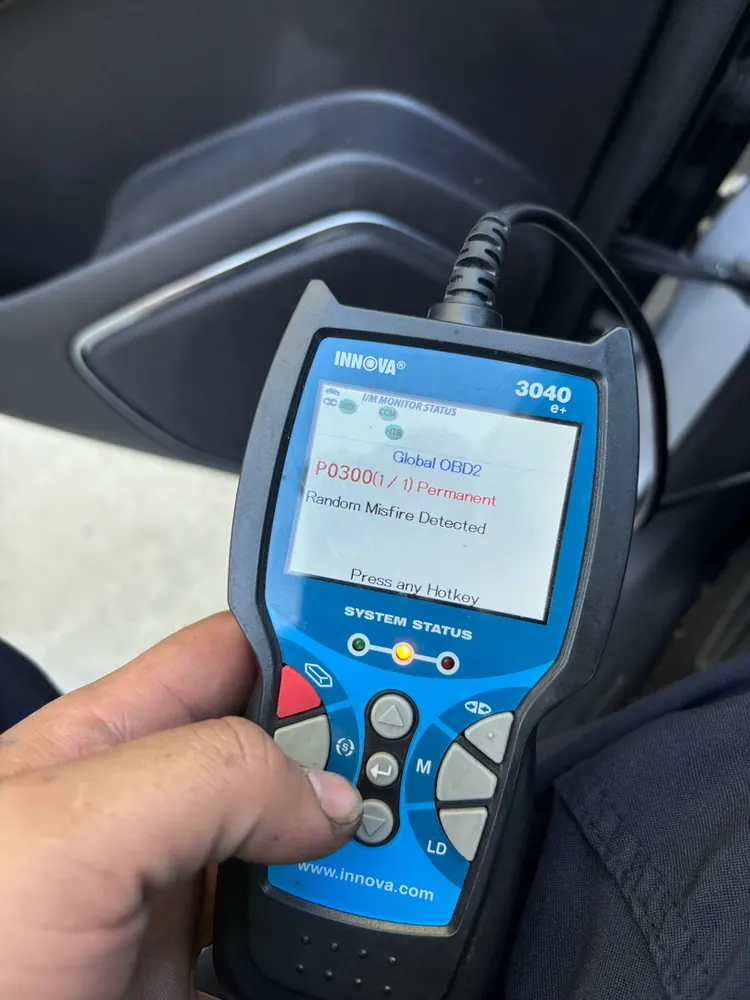
A converter almost never wears out on its own. It gets killed by something upstream. A misfire dumps raw fuel into it and melts the inside. An engine burning oil or coolant coats it and clogs it. If we replace the converter without fixing that cause, the new one will fail too. That is why we always check the engine first.
If Yours Was Stolen
You will know right away. Start the car and it sounds like a race car with no muffler. Here is what to do.
- File a police report. Your insurance will want the report number.
- Call your insurance. Comprehensive coverage often pays for a stolen converter, minus your deductible.
- Do not drive far. The exhaust can leak fumes into the car, and you will get a ticket for the noise.
- Get a CARB approved replacement. The same rules apply, even after a theft.
California tightened the rules on selling converters to scrap buyers in 2023, which made stolen ones harder to sell. A shield or a cage under the car still helps on trucks and hybrids, the most common targets.
Supercanic tip. Ask for the CARB Executive Order number on any converter you are quoted. If a shop cannot tell you, that part may not pass smog. Call (951) 644-1599 and we will check what your car really needs.
Frequently Asked Questions
How much should it cost to replace a catalytic converter?
In California, about $1,200 to $3,500 installed for most cars and trucks. Cars with two or more converters, and factory dealer parts, can cost more.
Can I drive with a bad catalytic converter?
For a short time, often yes. A badly clogged converter can make the engine weak, run hot and stall. A flashing check engine light means stop driving, because a misfire can make it worse or even start a fire.
Is it worth replacing my catalytic converter?
If the car is otherwise in good shape, yes. In California you cannot pass smog or legally register the car without a working converter. If the repair costs more than the car is worth, ask about the state vehicle retirement program.
What's the cheapest way to replace a catalytic converter?
Make sure it really needs replacing first, because a sensor or leak repair costs far less. If it does need one, a new CARB approved aftermarket converter usually costs less than the factory part.
Can I remove a catalytic converter and run straight pipe?
No. Removing a converter is illegal in California and under federal law. The car will fail the visual part of every smog check, so you will not be able to renew the registration.
How long does it take to replace a catalytic converter?
Usually one to three hours of work. The longer wait is often for the part, since CARB approved converters are not always in stock.
Quoted for a Converter?
Let us prove it is really the converter before you pay for one. Shop in San Jacinto, or we come to you.