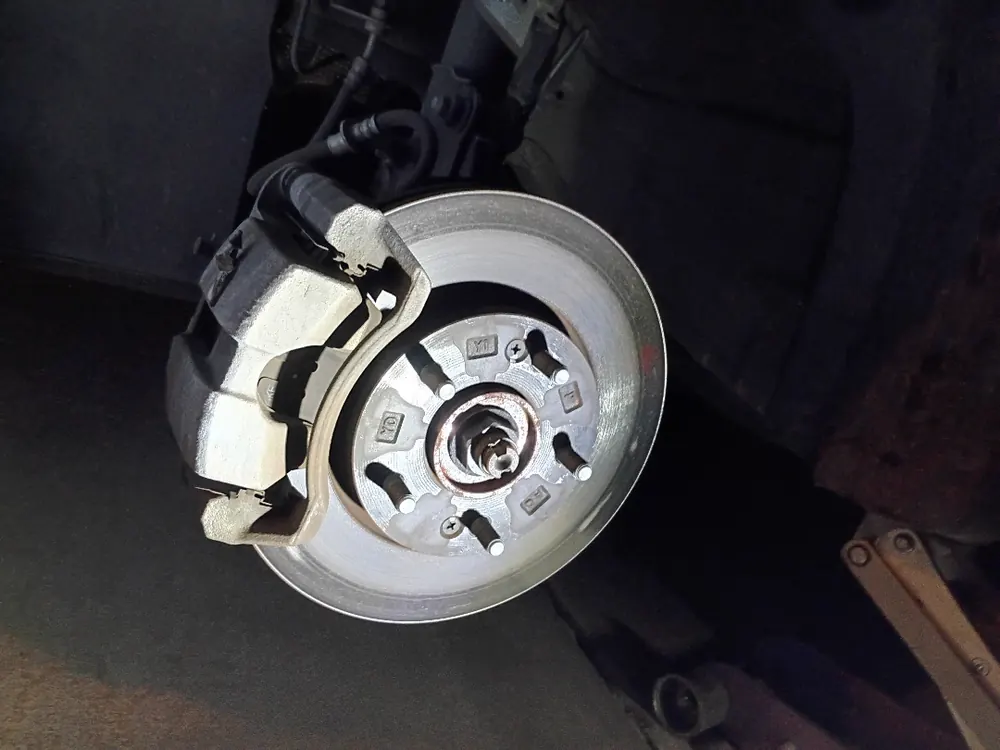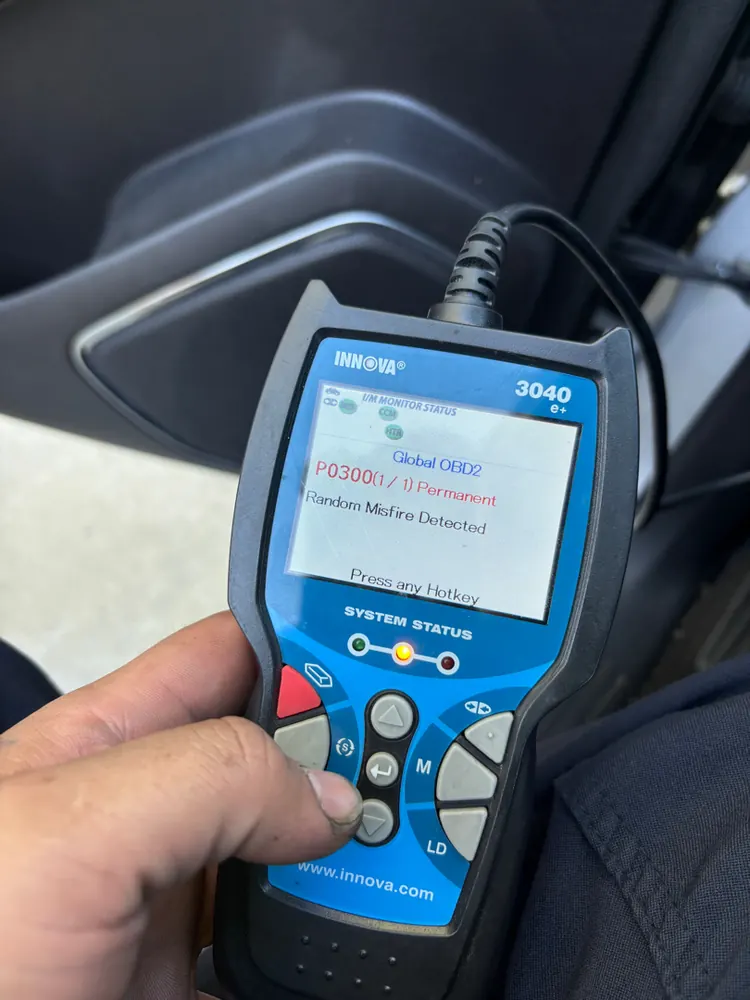
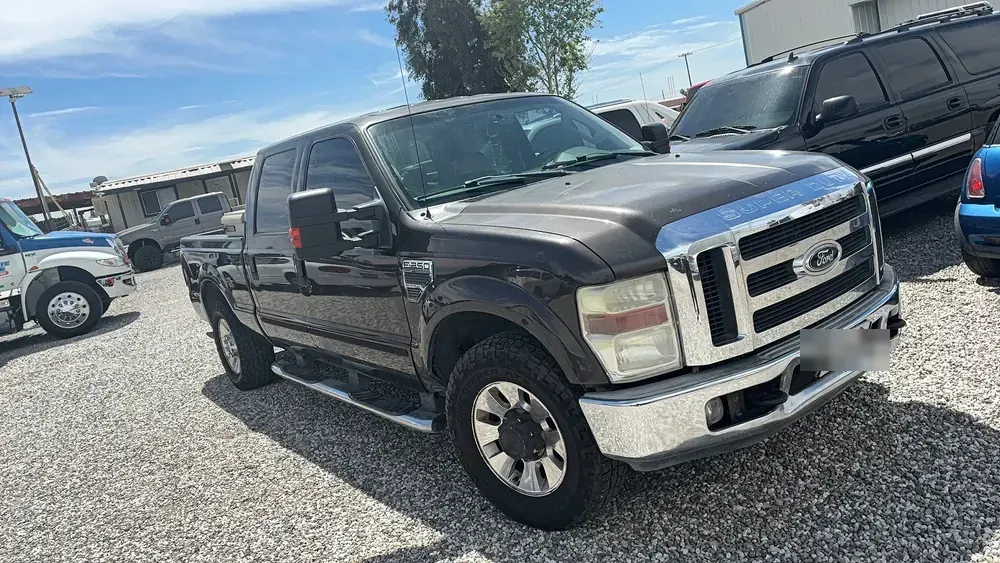
A Ford F-250 came to us from San Bernardino with the ABS light on. The brakes worked normally and nothing felt wrong, which is why a lot of people ignore this light. It is also the situation where guessing at parts gets expensive.
Quick answer: An ABS light with normal braking is almost always a sensor or wiring fault. A failed control module is rare, so the cheap part is usually the answer. Prove which wheel it is before you buy anything.
What We Saw
Why the Light Comes On but the Brakes Feel Fine
The anti-lock system watches how fast each wheel is turning. If one sensor stops reporting, or reports nonsense, the computer cannot trust the system, so it switches ABS off and turns the light on. Your normal brakes keep working exactly as before.
The risk is that the truck feels fine until a panic stop in the rain, when you need ABS and it is switched off.
Finding the Right Wheel
- Pull the codes, but do not trust them to name the wheel. A code says which circuit, not always which part of it.
- Watch all four wheel speeds live while the truck rolls. The bad one drops out or reads erratically while the other three track together.
- Inspect the harness by hand along its whole run. On a work truck the wire gets damaged far more often than the sensor does.
- Check the tone ring too. Rust or a missing tooth gives the same signal as a dead sensor and no new sensor will fix it.
What We Found Here
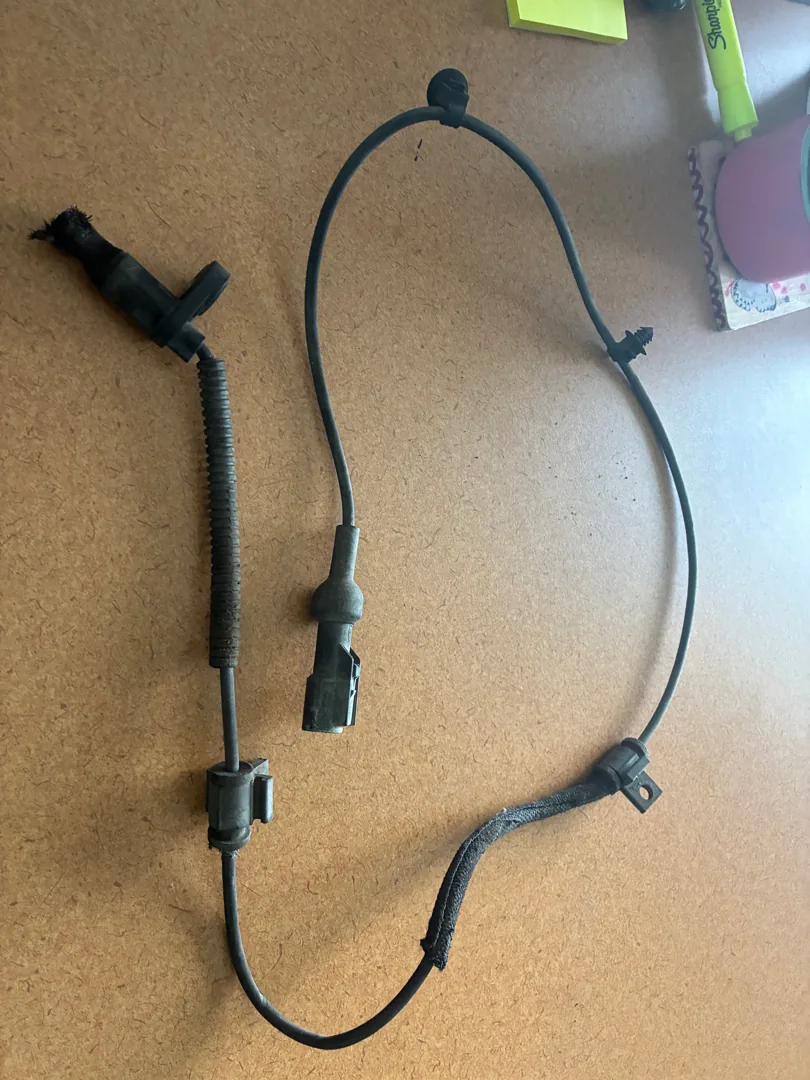
One sensor had stopped reporting. The harness was intact and the tone ring was clean, so the sensor itself was the fault and it was a straightforward replacement.
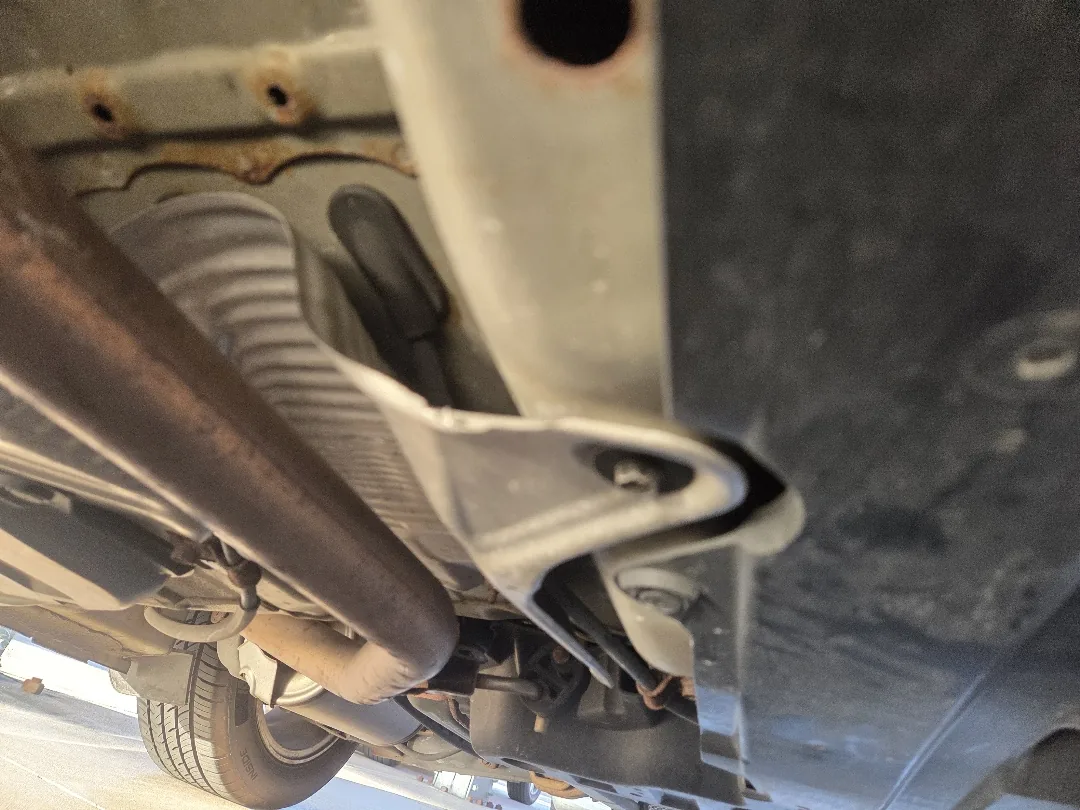
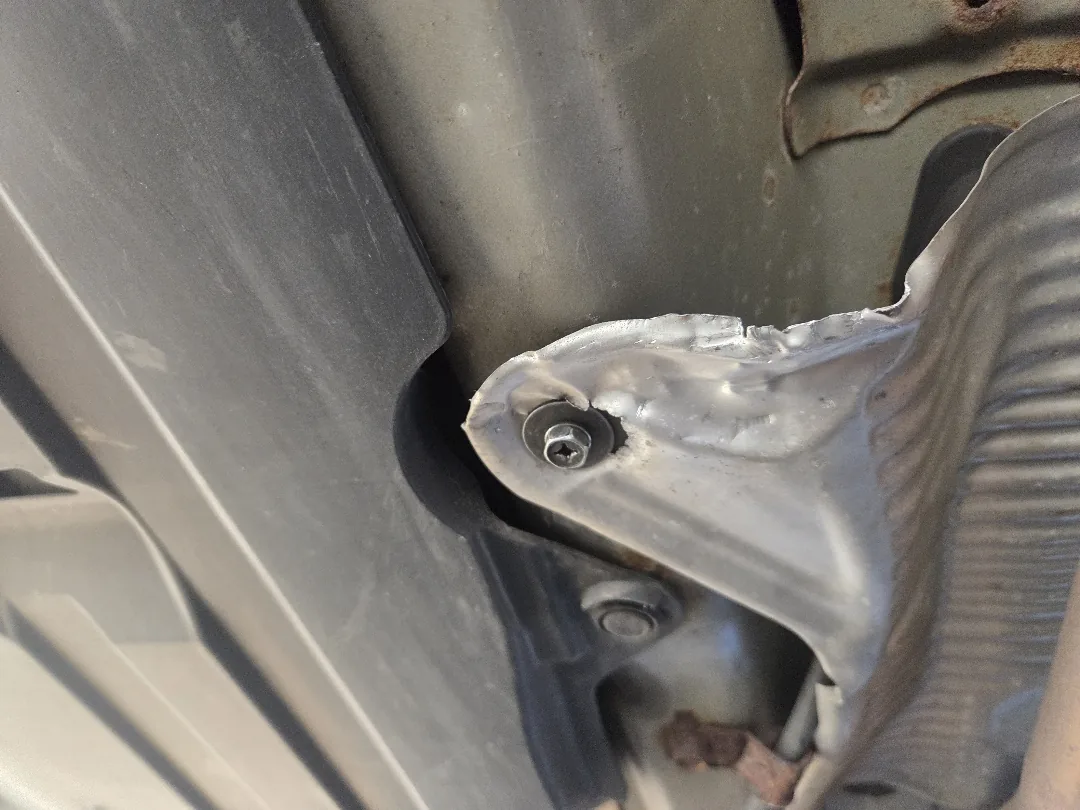
While the truck was on the lift we also found a loose exhaust heat shield, which is the kind of rattle owners live with for months because it is not obviously connected to anything. We showed the owner the photo and let them decide.
Supercanic tip: Do not replace an ABS control module because of the light alone. Modules do fail, but they are far down the list. Ask your shop to show you live wheel speed data first. Call or text (951) 904-2477.
ABS, Traction, or Brake Light On?
Bring it to the shop in San Jacinto, or we can diagnose it in your driveway.