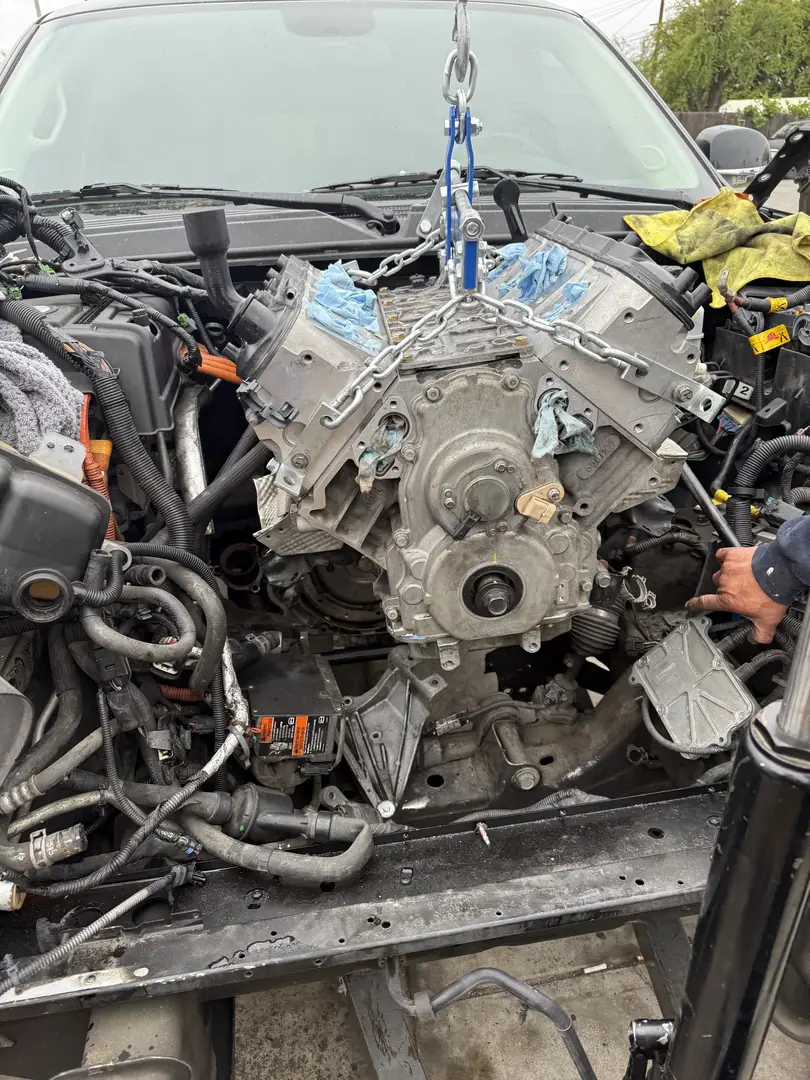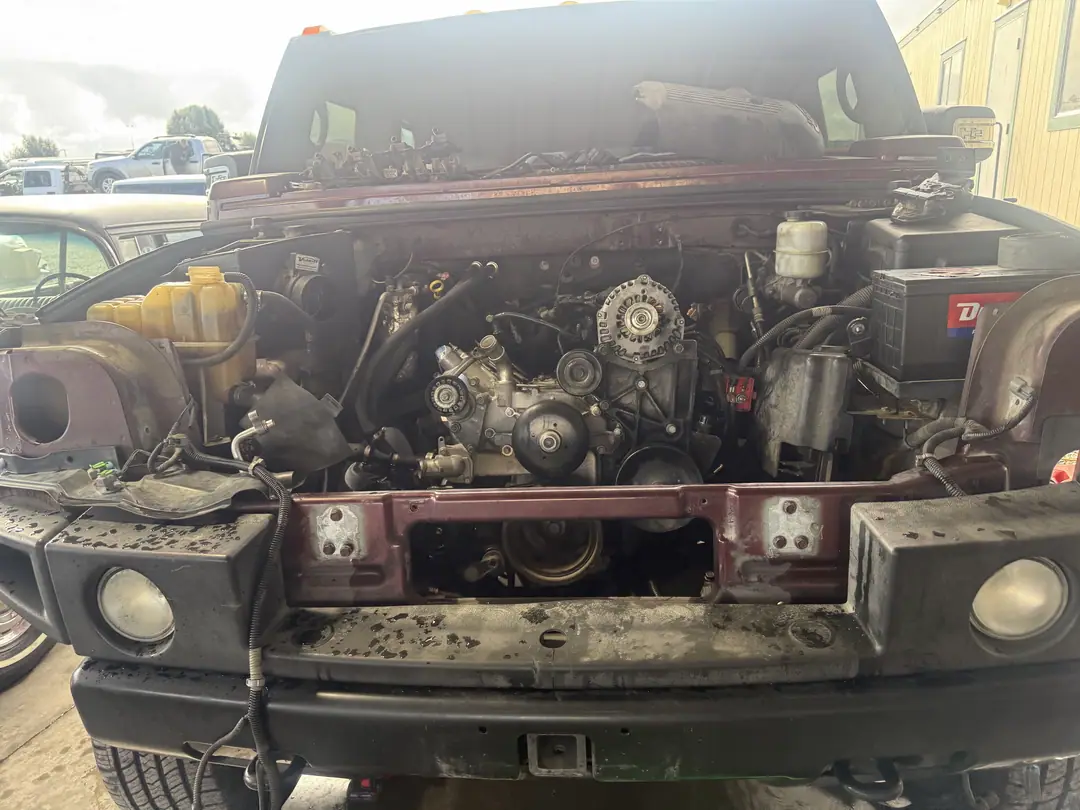
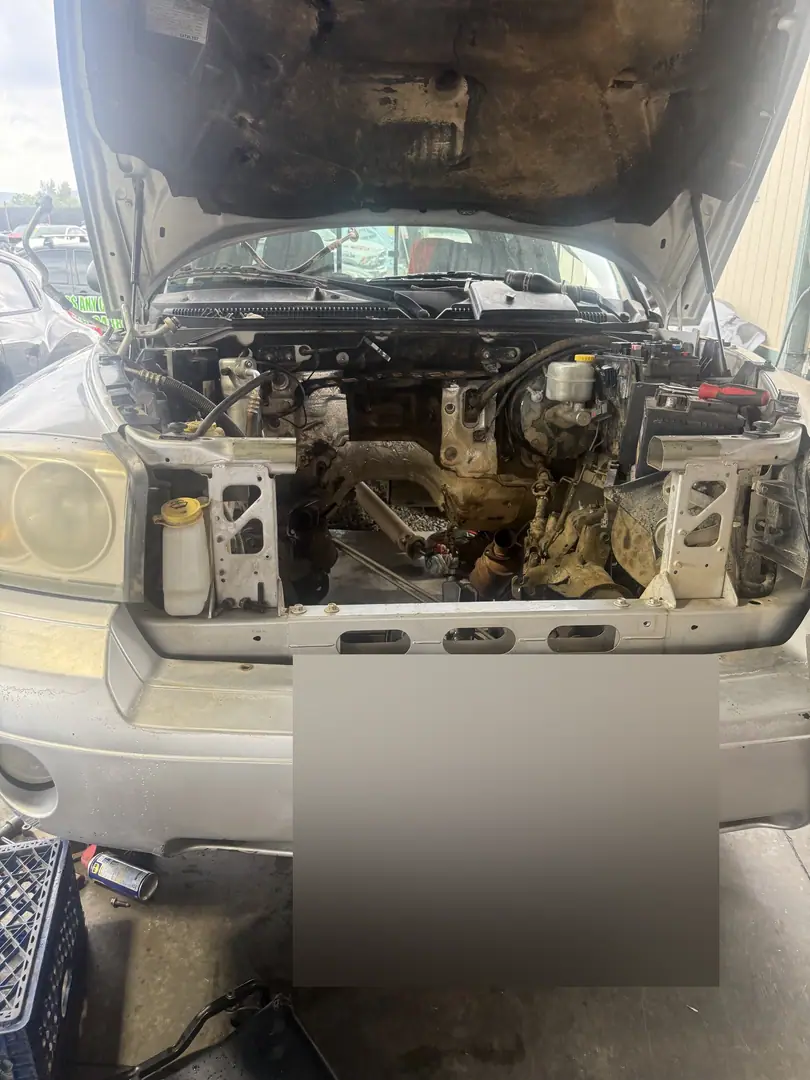
On September 20, 2025, our job record shows a different kind of engine swap. The owner of a 2000 Chevy Silverado with a 5.3 V8 had his engine and wanted to do the job himself. He needed help to get it in. So we went and helped him install it.
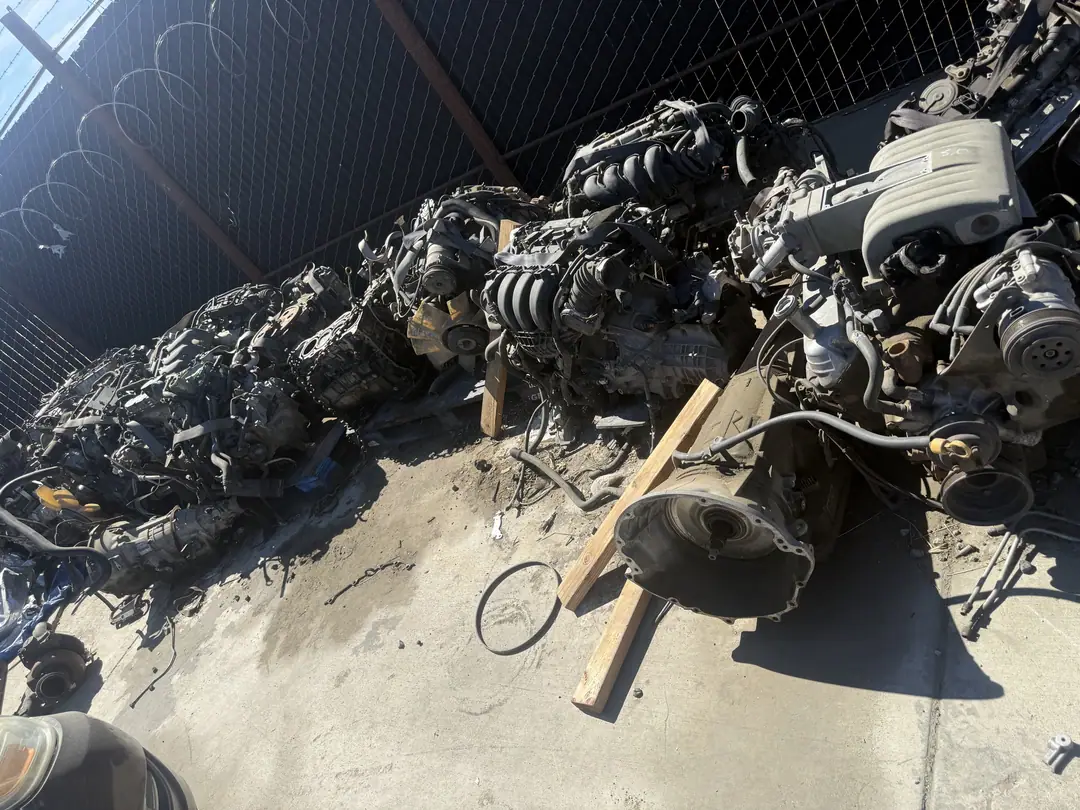
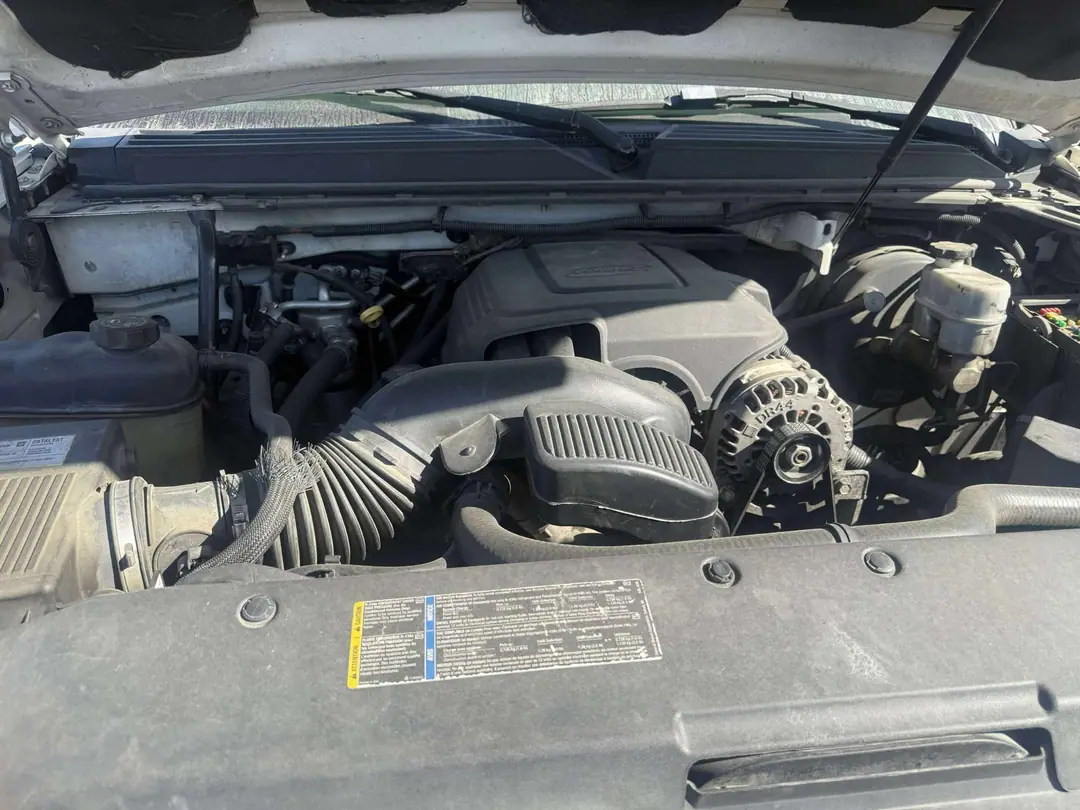
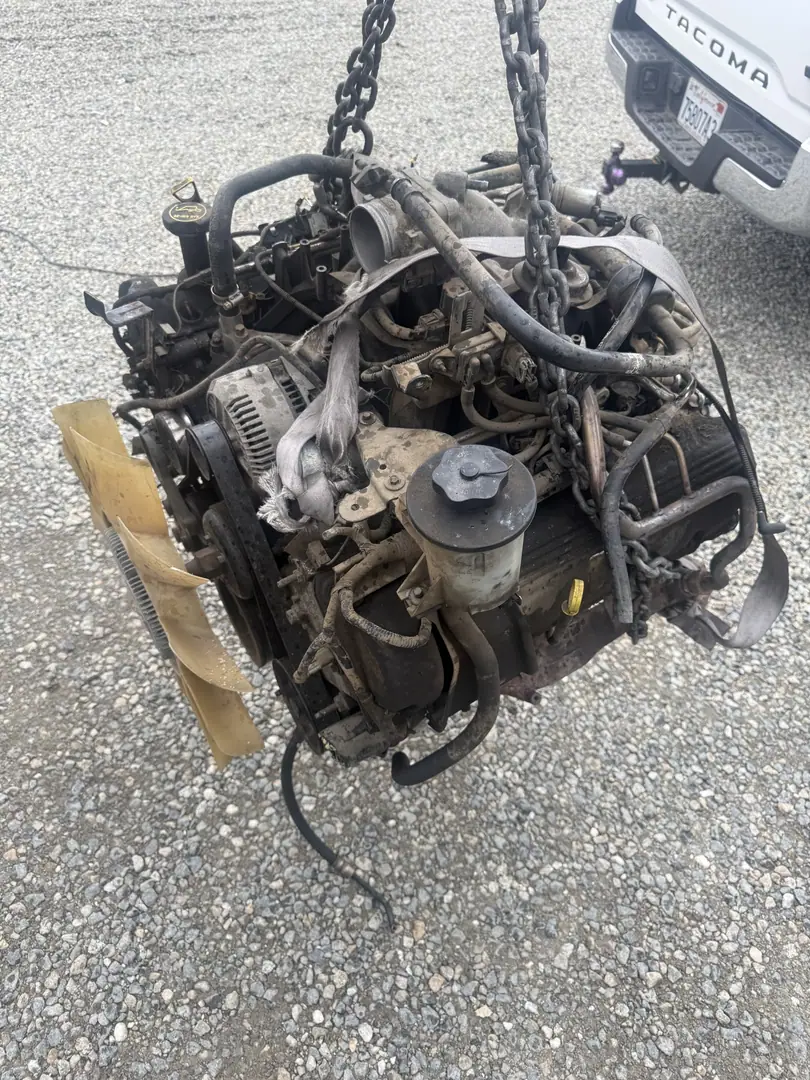
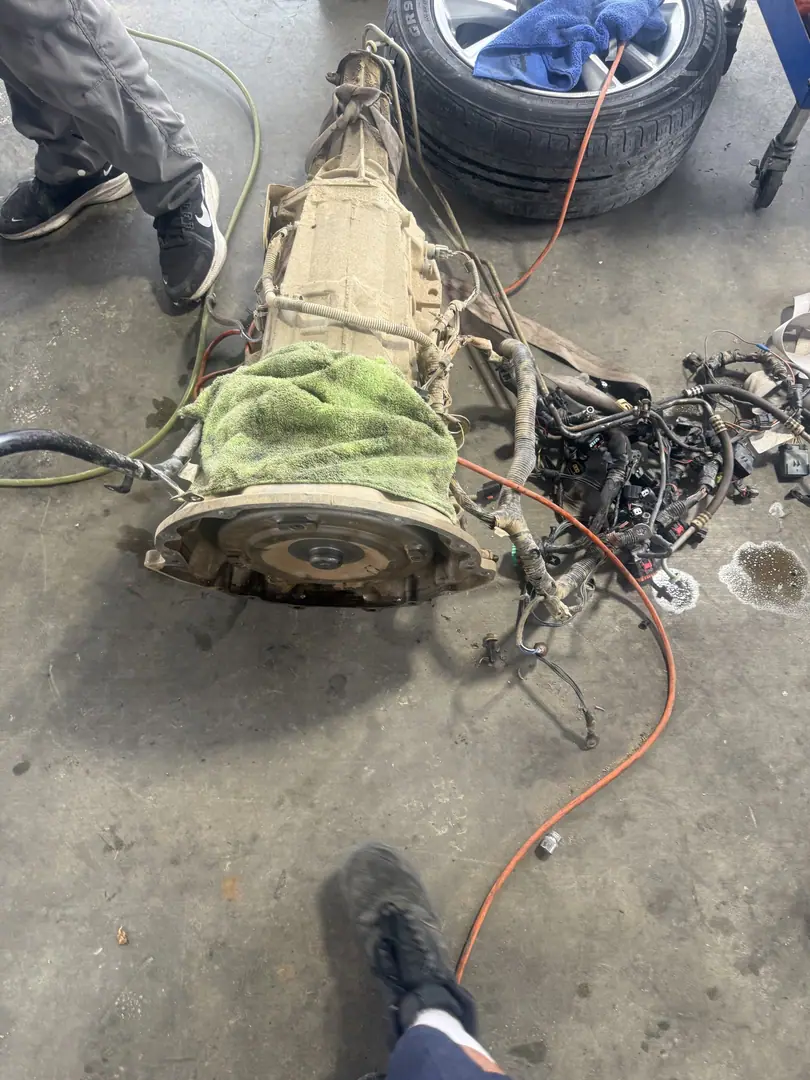
That month our photos are full of GM trucks at the yard, engines on chains and transmissions on the ground. Those photos are from the yard work that month, not his truck, but they show the same engine family. Here is how a shared swap works and how to set one up so it goes well.
Quick answer: A shared swap is when the owner does part of the work and a mechanic does the parts that need tools, experience or a second set of hands. It can save money. It works best when both sides agree on who does what before the day starts.
What We Saw
Why the 5.3 Is a Good Engine to Swap
The 5.3 V8 was used in a huge number of GM trucks and SUVs from that era. Parts are easy to find. Used engines are easy to find. Mounts and wiring often line up with what the truck already has. That makes it one of the friendlier swaps an owner can take on.
It is still a heavy engine, and the install has steps where a mistake costs real money. Lining up the engine with the transmission, getting the torque converter seated, and hooking up fuel and wiring are the usual trouble spots.
Who Does What on a Shared Job
On this job, the owner had the engine and the plan. We came to help him install it. We talked through the time and cost with him before we started, so there were no surprises. That conversation is the most important part of a shared job.
- The owner preps the truck. Engine bay cleaned, parts labeled, old engine out or ready to come out.
- The mechanic brings the tools and the experience for the hard steps.
- Both agree on what counts as done before the day starts.
- Anything outside that list gets talked about before it gets done.
The Spots We Watch on a GM V8 Swap
The torque converter has to be fully seated in the transmission before the engine and transmission are joined. If it is not, the bolts can pull it tight and break the pump. Fuel line fittings have to click fully home. The knock sensors under the intake should be checked while it is easy. The cooling system has to be bled once it is full.
How to Prep for a Shared Job
A shared job goes faster when the truck is ready. Here is what helps most before we show up.
- Park on a flat, solid surface with room around the truck.
- Have the engine, gaskets and fluids on hand and unpacked.
- Label or photograph wiring and hoses as they come off.
- Keep bolts in marked bags or cups by area.
- Have a plan for the old engine, so it is not in the way.
Every hour spent hunting for a bolt is an hour of labor you pay for. A little prep saves real money.
What It Means for You
If you are handy and want to save on labor, ask a mobile mechanic about a shared job. Be clear about what you want done. Have parts on hand before the visit. You will get more done in the time you pay for.
We do this kind of work around Hemet and the valley. See our Hemet page and our engine repair page for more.
Supercanic tip: Before an engine and transmission go together, spin the torque converter and check that it drops in fully. It saves a pump. Call or text (951) 644-1599.
Doing Your Own Swap and Need Help?
We can do the heavy parts and let you do the rest.