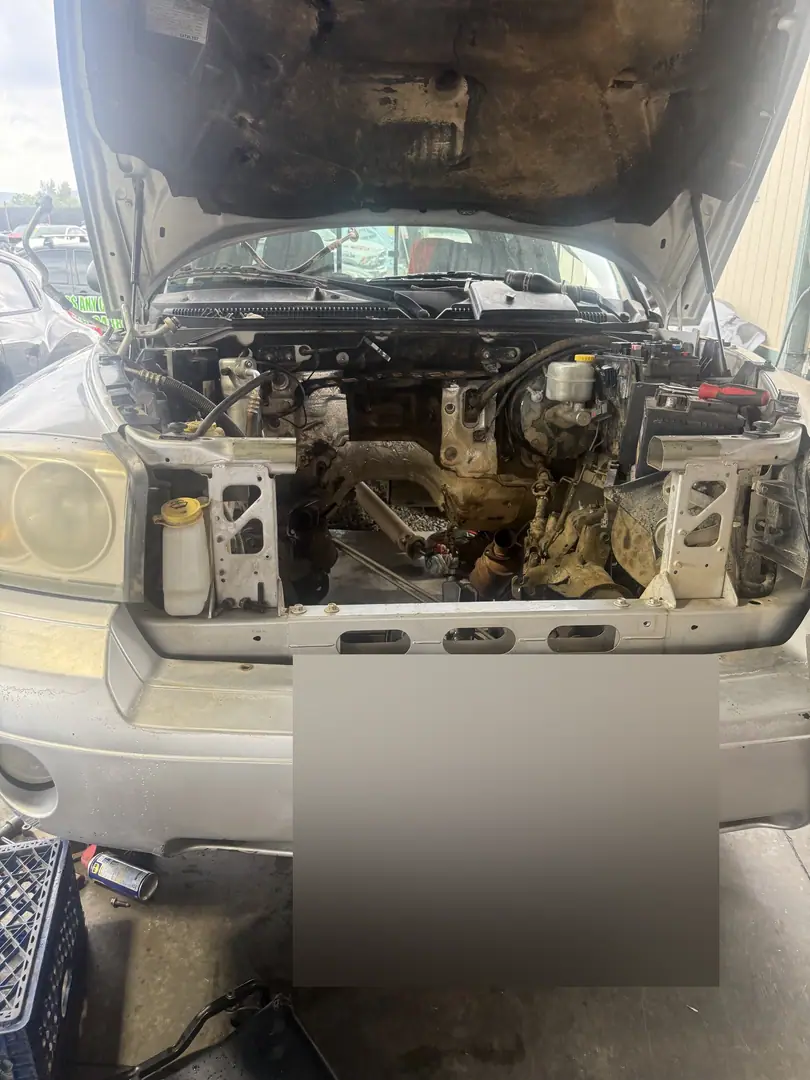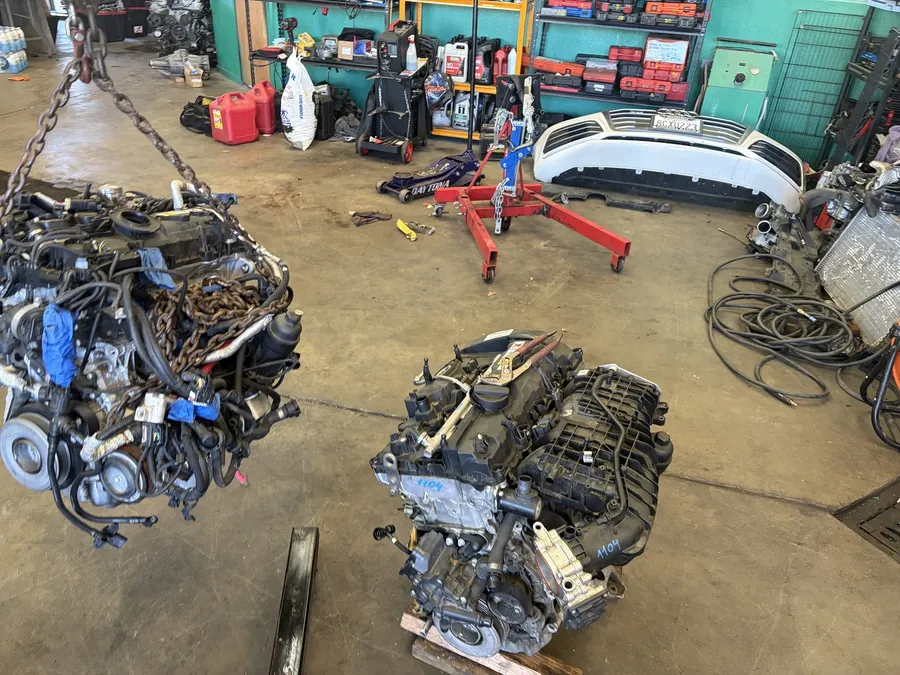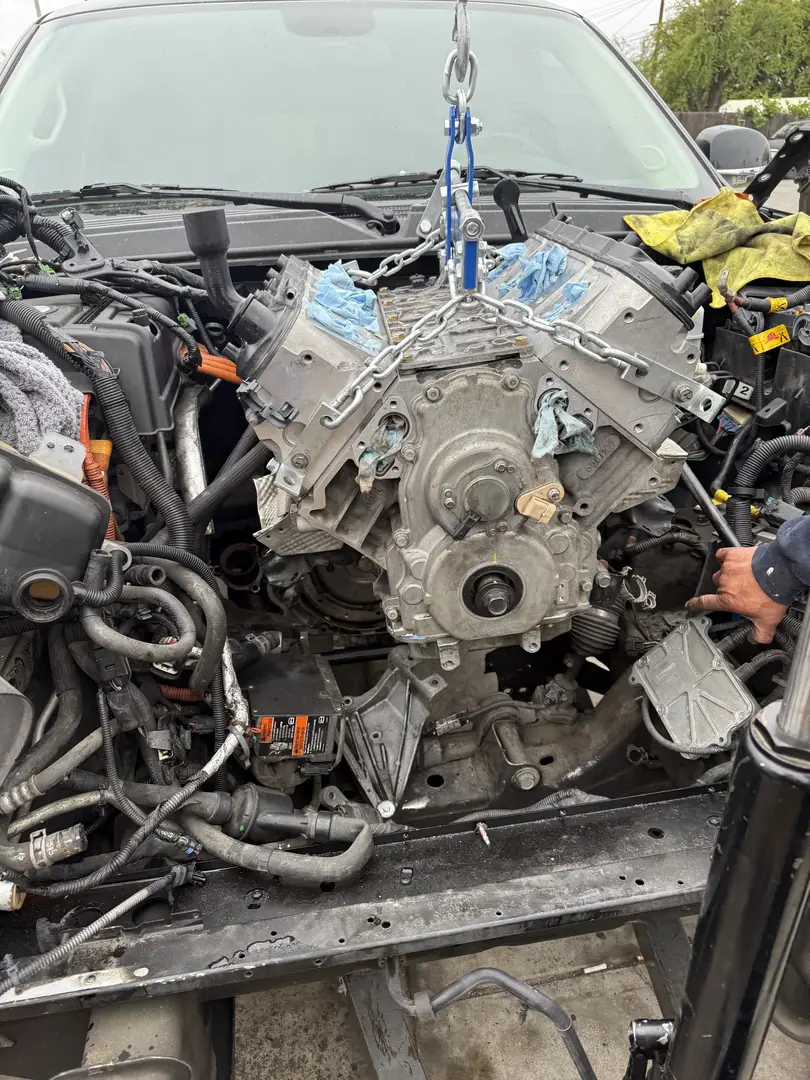
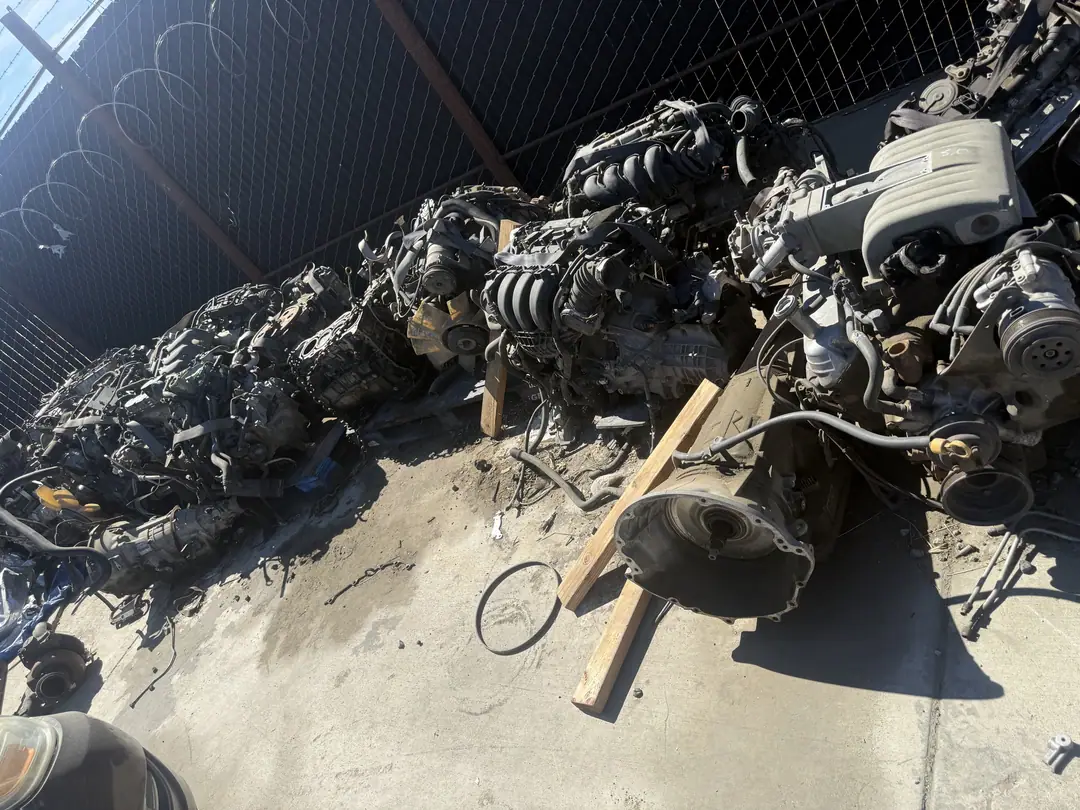
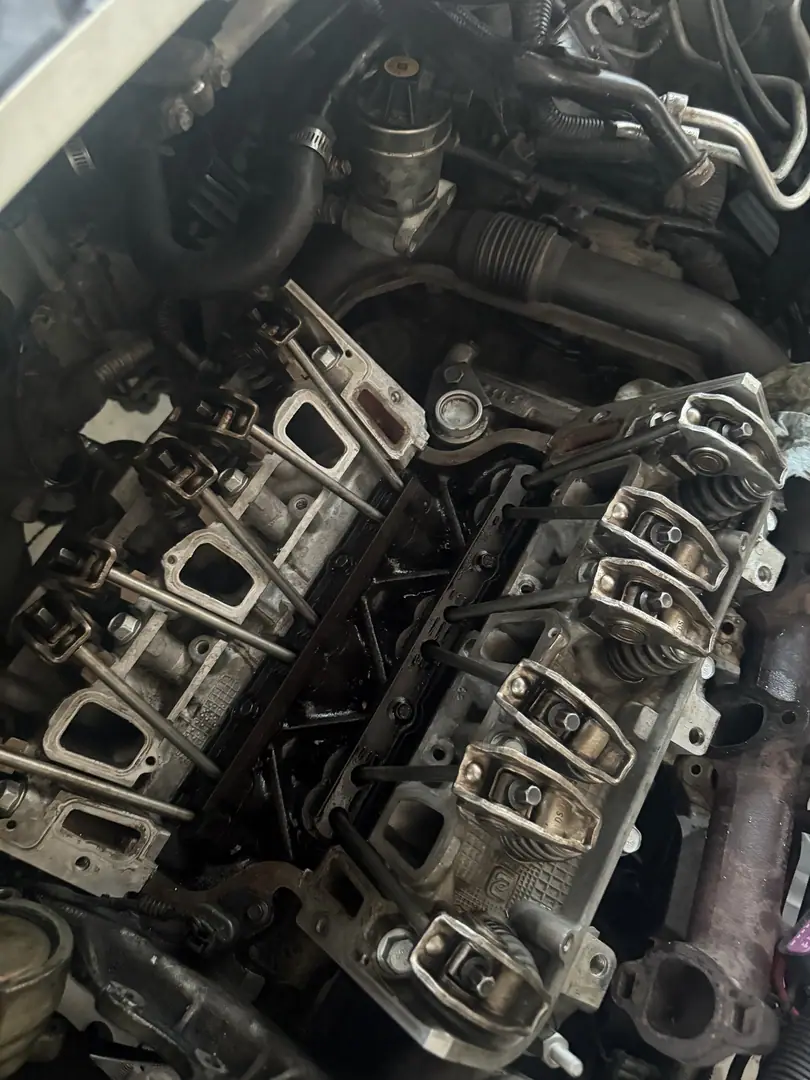
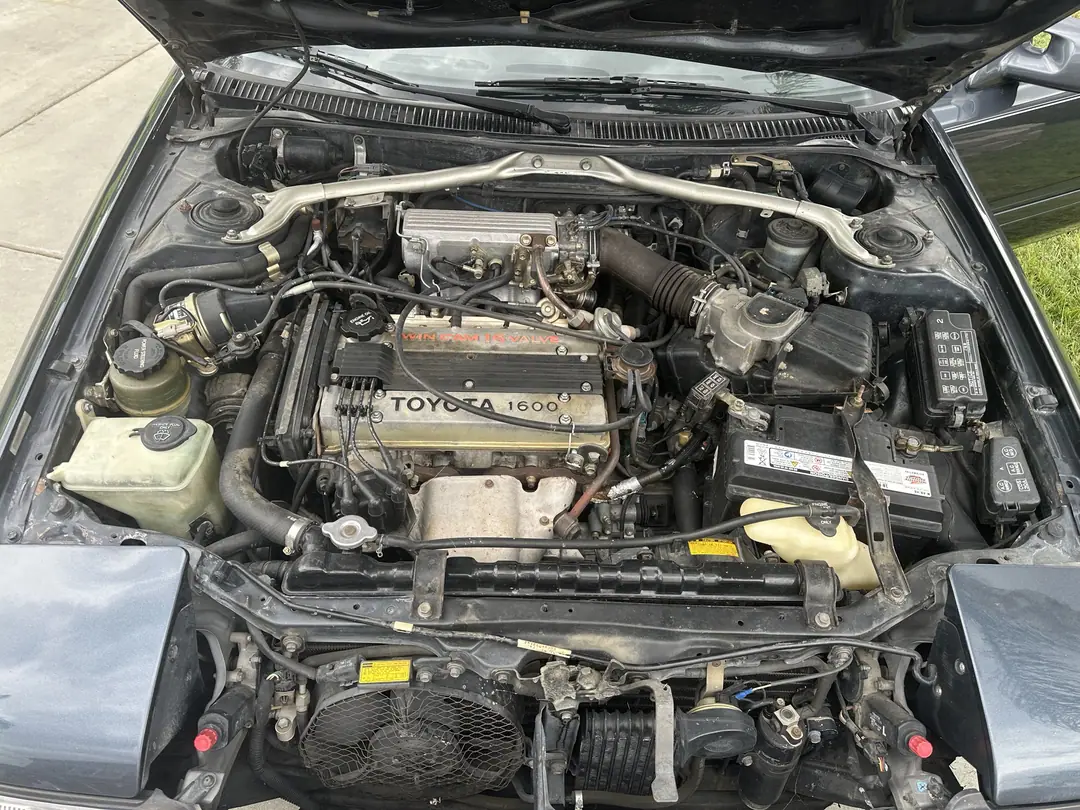
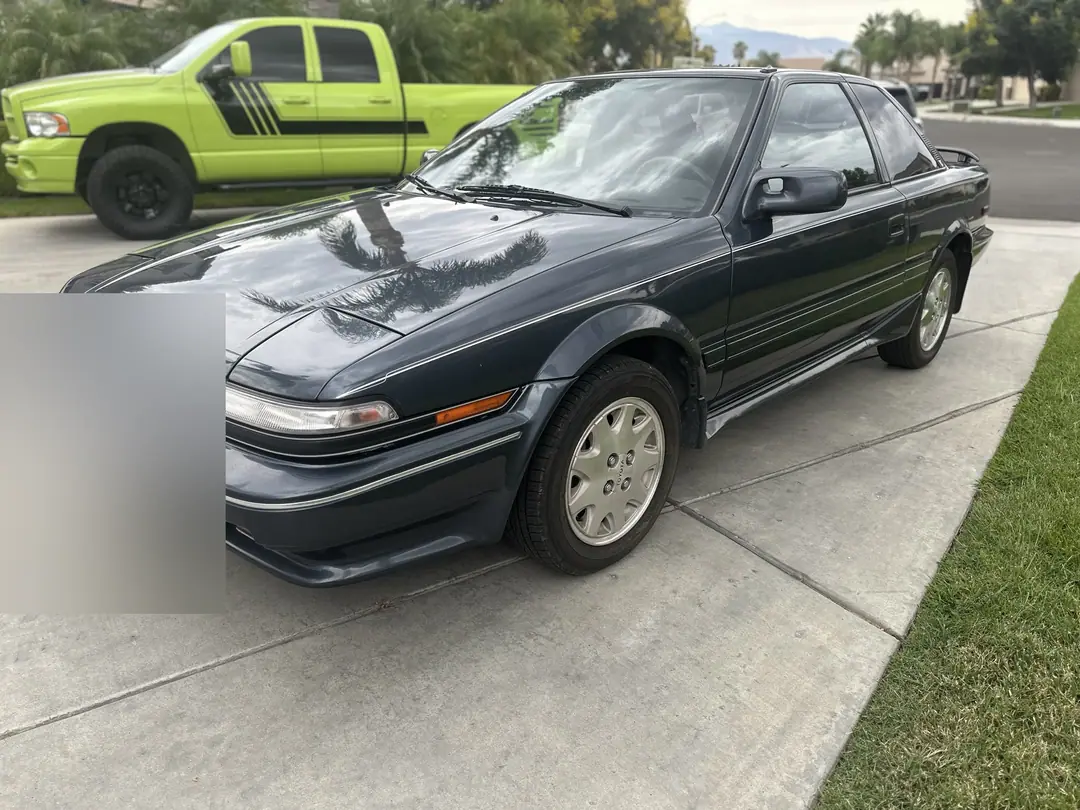
In August 2025 a new chapter started. We began pulling engines right where the donor cars live, at the yard, and hauling them back to finish the job. Our photos from that month show engines lined up on pallets on the gravel, and one with the valve covers off so we could look inside before it went anywhere.
Our Shop Desk records start that same month, and they show an engine pull and swap job in late August. Here is what we learned about used engines, and how to tell a good one from a gamble.
Quick answer: A used engine can be a great value or a waste of money. The difference is in the checking. Look inside before you buy, check for overheating and sludge, and get the source and warranty in writing.
What We Saw
Why Pull at the Yard
A used engine at a yard is still in a car, or freshly out of one. Pulling it ourselves means we see the donor. Was it a front end crash, or did it sit in a field? Is the oil clean? Did the radiator fail? The donor car tells you a lot about the engine.
It also means we can take the parts that go with it. Sensors, brackets and connectors that match the engine save time and guesswork on the install.
What We Check Before It Leaves
- Oil on the dipstick and under the cap. Milky oil or thick sludge means walk away.
- Coolant in the radiator, if it is still there. Oil in the coolant is a bad sign.
- The top end with a valve cover off, like in our photo. Sludge, broken parts or heavy wear show up fast.
- Signs of heat, like burnt paint, melted plastic or discolored metal.
- Whether the crank turns by hand, smooth and even.
The Install Is Where Value Is Made
A good used engine still needs the right install. Fresh gaskets on the parts that come off. A new rear main seal while it is out. Clean oil and coolant. A careful first start with oil pressure checked first. Skip those and even a good engine can fail early.
We also help owners who want to do part of the work themselves. Some jobs that month and the next were exactly that, where we did the heavy lifting and the owner did the rest.
Questions Owners Ask About Used Engines
How many miles is too many? Miles matter less than care. A well kept engine with high miles can beat a neglected one with low miles. The inside tells you more than the odometer.
Should I replace the timing belt or chain? On an engine with a timing belt, usually yes, since you cannot know when it was last done. A chain gets checked for stretch and noise.
What about the seals? The rear main seal, valve cover gaskets and oil pan gasket are cheapest to do with the engine out.
What It Means for Your Car
If your engine is done, ask about used options as well as rebuilt and new. Ask how the used engine was checked. Ask what warranty comes with it, and who backs it. Then compare the total, including labor, to what the car is worth.
Our engine replacement guide walks through those numbers. Our bays are in San Jacinto, see the San Jacinto page, and you can read about our engine repair work.
Supercanic tip: Ask to see a photo of the inside of a used engine before you pay for it. A valve cover off tells you more than any listing. Call or text (951) 644-1599.
Need a Used Engine Installed?
We will help you find a good one and put it in right.