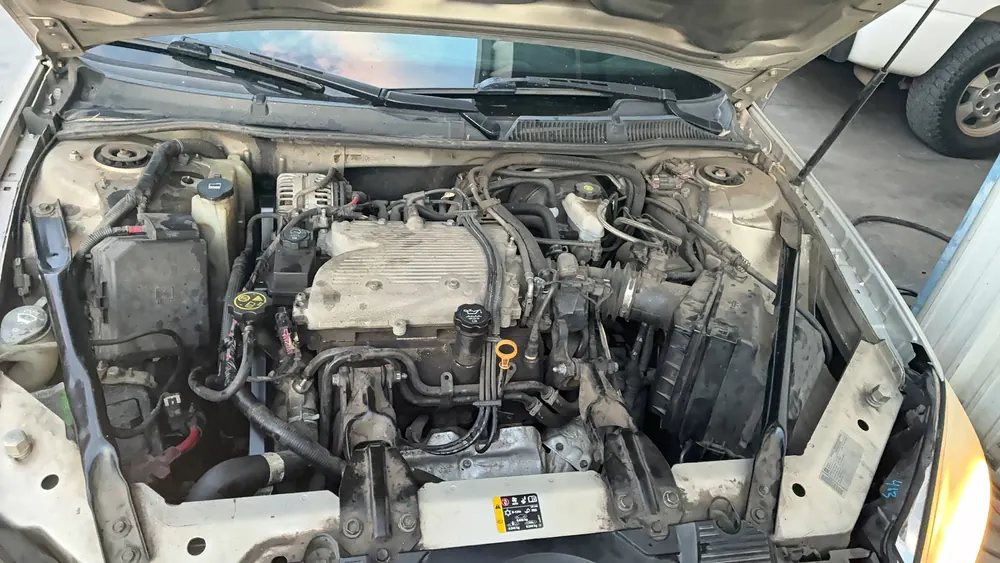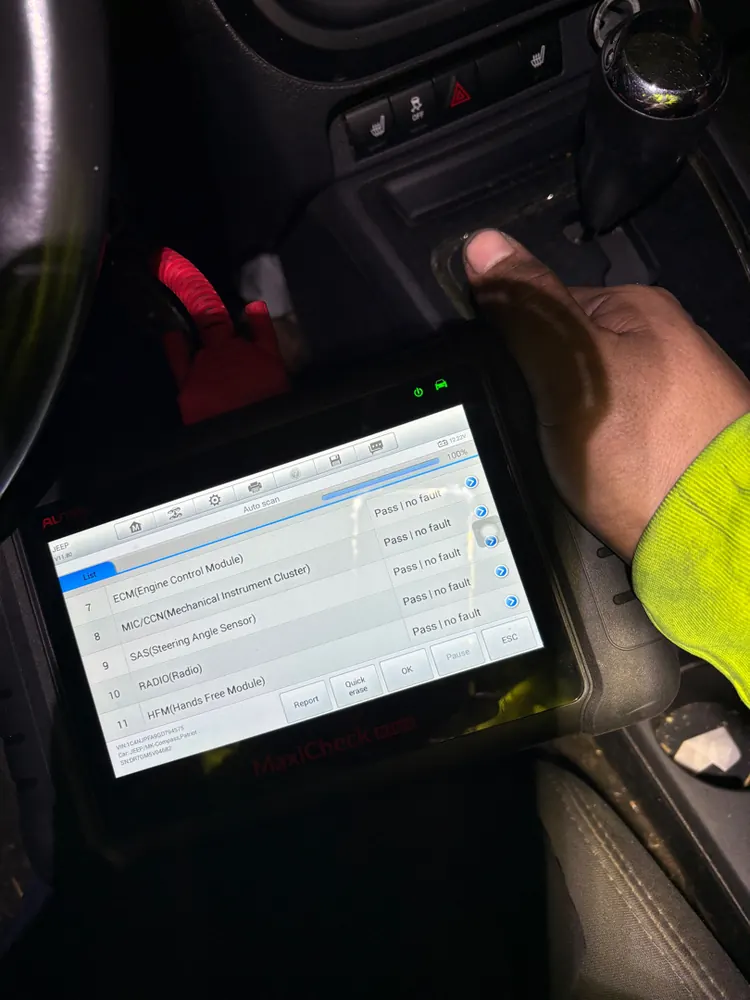
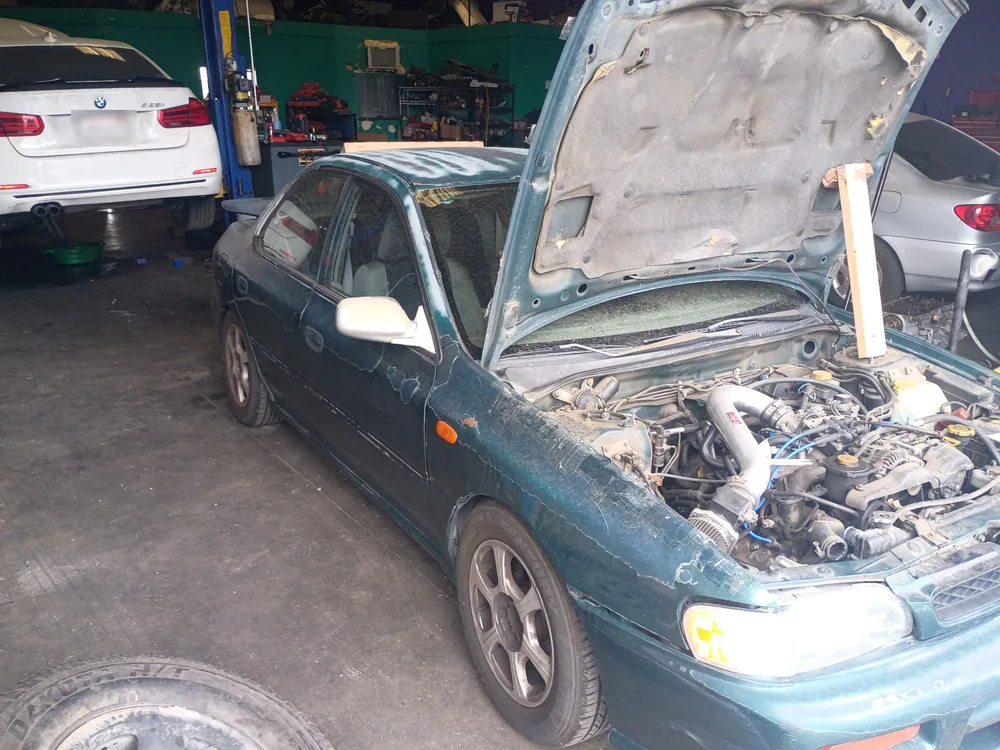
Quick answer. This Impreza was overheating. Our tech found a cracked radiator that was leaking, and a small hose on the thermostat housing that had blown out. The hose was old and weathered. The engine bay was so dirty that our tech pressure washed it to look for any other leaks. The repair was bigger than the first approved number, so work stopped for a new quote.
Recap Up Front
- The radiator was cracked and leaking.
- A small hose on the thermostat housing was blown out, old and weathered.
- Our tech washed the engine bay to make sure no other leak was hiding.
- Work stopped twice so the owner could approve the bigger job.
- The ticket came to $781.32 across six lines.
Read our guides a lot? Star Supercanic as a source in Google and our new posts show up more often in your Top Stories.
A Missed Call and an Overheating Car
This one started as a missed call from Moreno Valley. The owner found us on Google. Nobody picked up. Our desk drafted a quote for one hour to find the problem.
The car was a 1998 Subaru Impreza. It was overheating.
What Our Tech Found
A cracked radiator. It was leaking coolant. A radiator that leaks loses coolant every drive, and an engine low on coolant runs hot.
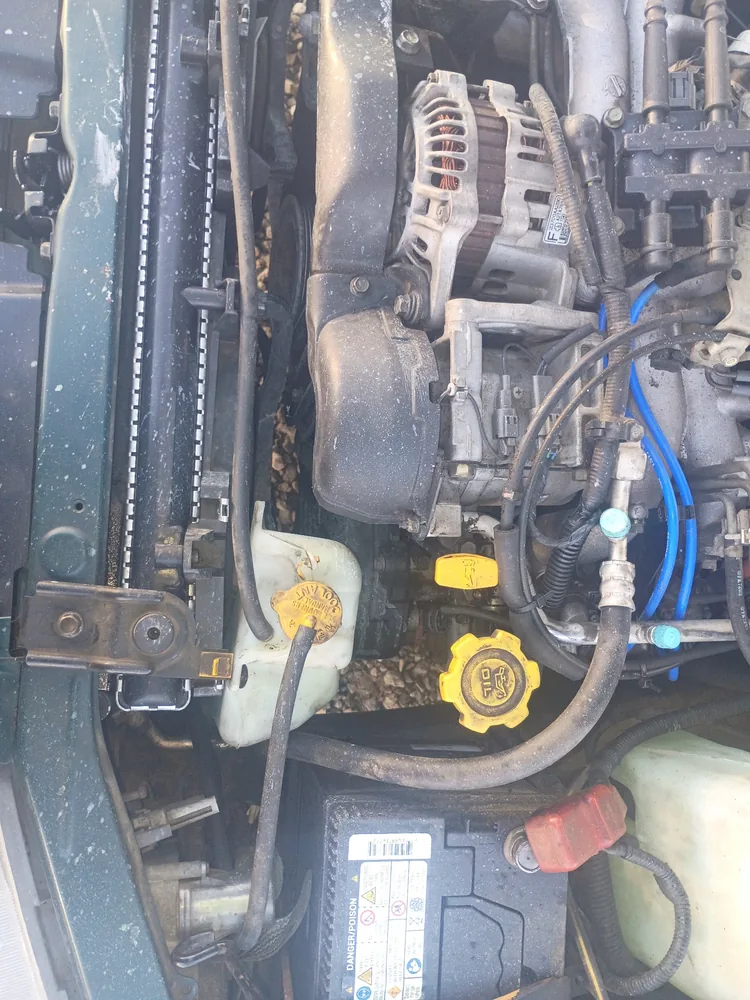
A blown hose at the thermostat housing. It is a small hose, easy to miss. This one was old and weathered on the outside and had blown out.
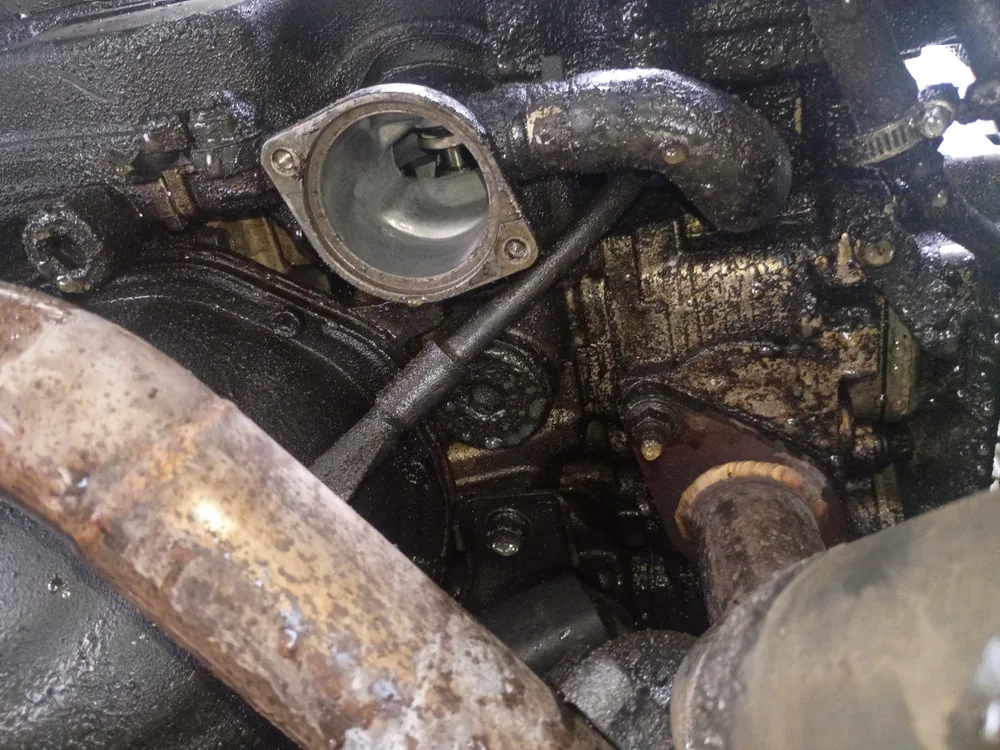
A very dirty engine bay. Old oil and dirt hide leaks. So our tech pressure washed the bay as well as possible. A clean engine shows a fresh leak. A dirty one hides it.
Two leaks were enough to explain the heat. Washing the bay was how our tech made sure there was not a third.
The Job on One Card
1998 Subaru Impreza, September 29
Came in with: overheating, after a missed call from Moreno Valley.
Tech found: cracked, leaking radiator. Blown thermostat housing hose, old and weathered.
Ticket lines: diagnosis $150, thermostat $225, radiator $300, pressure test and bleed $75, four hose clamps $13.32, RTV sealant $18.
Total: $781.32.
The first quote was one hour of diagnosis. Once the leaks were found, the job was bigger than that. So our tech stopped. Then it happened a second time when the hose turned up. Each time, a new quote went to the owner first.
Why the Last Step Matters
A cooling system with air in it can overheat even with a new radiator. That is why the ticket has a pressure test and a bleed.
The pressure test looks for leaks under pressure, like when the engine is hot. The bleed pushes trapped air out so coolant reaches every part of the engine.
Skip that step and you can pay for a radiator and still have a car that runs hot.
The Coolant on the Ground Is a Hazard
A leaking radiator is not only an engine problem. That puddle can hurt someone.
The National Capital Poison Center says the ethylene glycol in many antifreezes tastes sweet, which can draw kids and pets. It says swallowing it is dangerous even in small amounts. Someone can seem fine for hours and then get much worse. If anyone swallows it, call poison control at 1-800-222-1222.
So if your car drips coolant in the driveway, clean up the spot and keep pets away from it. Do not wait for the repair.
Why an Old Hose Fails From the Inside
This hose looked old and weathered on the outside. Many hoses give no warning at all.
Gates, the hose and belt maker, says coolant hoses usually fail from the inside. It says a look from the outside cannot tell you if a hose has inner damage. Its rule of thumb is to replace them at least every four years or 62,000 miles, sooner under hard use.
This car is a 1998. The record does not say how old the hose was. It says old and weathered, and that is enough.
Gates also tells techs to check every clamp and to replace clamps each time a new coolant hose goes on. That lines up with this ticket. It lists four hose clamps at $3.33 each.
What Else Was on the Ticket
The radiator and the hose get the attention. The ticket has more on it.
A thermostat replacement, 1.5 hours, $225. The radiator, 2 hours, $300. The pressure test and bleed, half an hour, $75. RTV sealant, $18. Four clamps, $13.32. Diagnosis, $150.
The record does not say the old thermostat had failed. It only shows the line on the ticket, so we will not tell you it was bad. It also does not list the engine or the mileage.
If the Heat Comes Back
The record has no end result on this car. We do not know how it ran after the job, so we will not claim it.
The record also does not say how hot the engine got. On any car that ran hot, watch the coolant level for a while after the repair. If it keeps dropping with no leak in sight, ask for more testing. A new radiator does not fix what the old heat may have done.
Do not count on a recall to pay for it. NHTSA lists three recalls for the 1998 Impreza, and all three are for aftermarket lights. None of them covers the cooling system.
Quick Hits
Can a small hose make my car overheat?
Yes. A blown hose lets coolant out fast. On this Impreza, the thermostat housing hose was old, weathered and blown.
Why would a mechanic wash my engine?
Dirt and old oil hide leaks. A clean engine shows where fresh coolant or oil is coming from.
Why is there a pressure test after a radiator replacement?
It checks the system for leaks under pressure. The bleed then removes trapped air that can cause overheating.
Why did the mechanic stop and ask again?
Our rule is to stop when the job grows past what you approved. You get a new quote and decide.
Supercanic tip: If you add coolant every week, you have a leak somewhere. Find it before the engine gets hot enough to warp something. Call us at (951) 904-2477.
What We Read
Gates, Cooling System Troubleshooting Guide
National Capital Poison Center, Antifreeze Is Bad for Your Kids and Pets
NHTSA, Recalls for the 1998 Subaru Impreza
Car Overheating in Moreno Valley?
We find the leak first, then quote the fix. You approve every step.