Quick answer. The owner of this 2020 Hyundai Tucson called from Indio and asked for rear brake pads. Our tech checked all four wheels. The rear pads were worn, and so were the fronts. The rear rotors need replacing too. Both sets of pads went on for $371.08, and the rotors went on their own quote so the owner could decide.
Key Points
- The call was for rear pads only.
- Our tech found the front pads were worn too.
- The rear rotors also need replacing.
- Front and rear pads were done for $371.08.
- The rotors were quoted on their own. The owner gets to say yes or no.
Read our guides a lot? Star Supercanic as a source in Google and our new posts show up more often in your Top Stories.
What the Owner Asked For
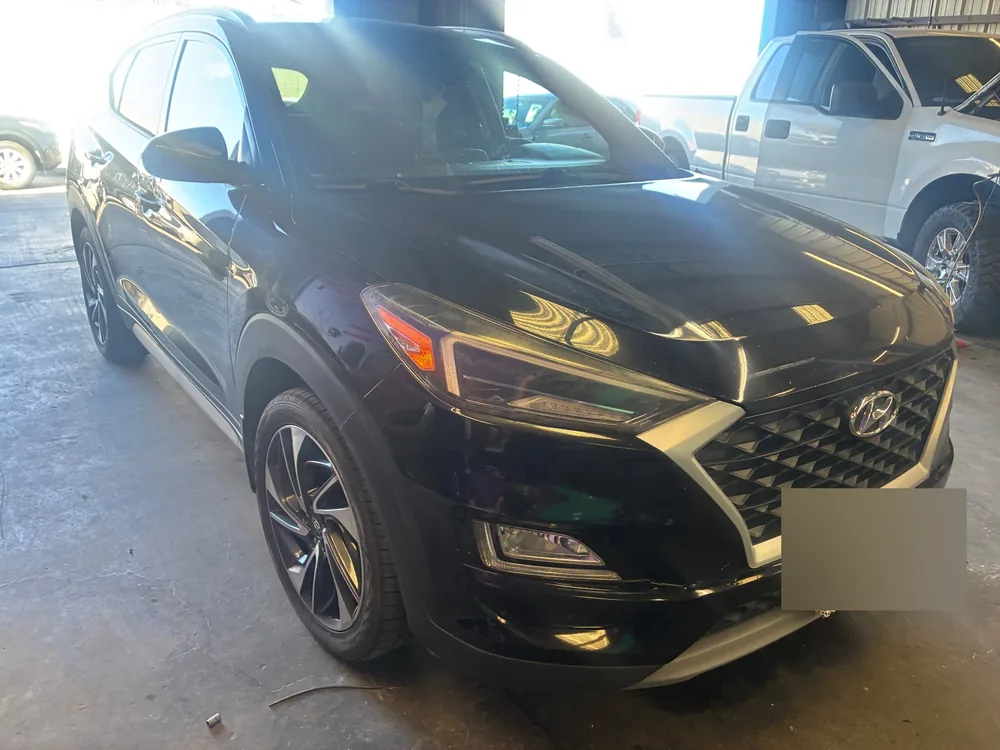
The call came in through Google from Indio. The ask was short. A 2020 Hyundai Tucson, it needs rear brake pads.
Nobody picked up on the first ring. We called back. That is how a lot of our brake jobs start.
The car came to our shop. Our tech pulled the wheels and looked at the whole system, not just the end the owner asked about.
What Our Tech Found
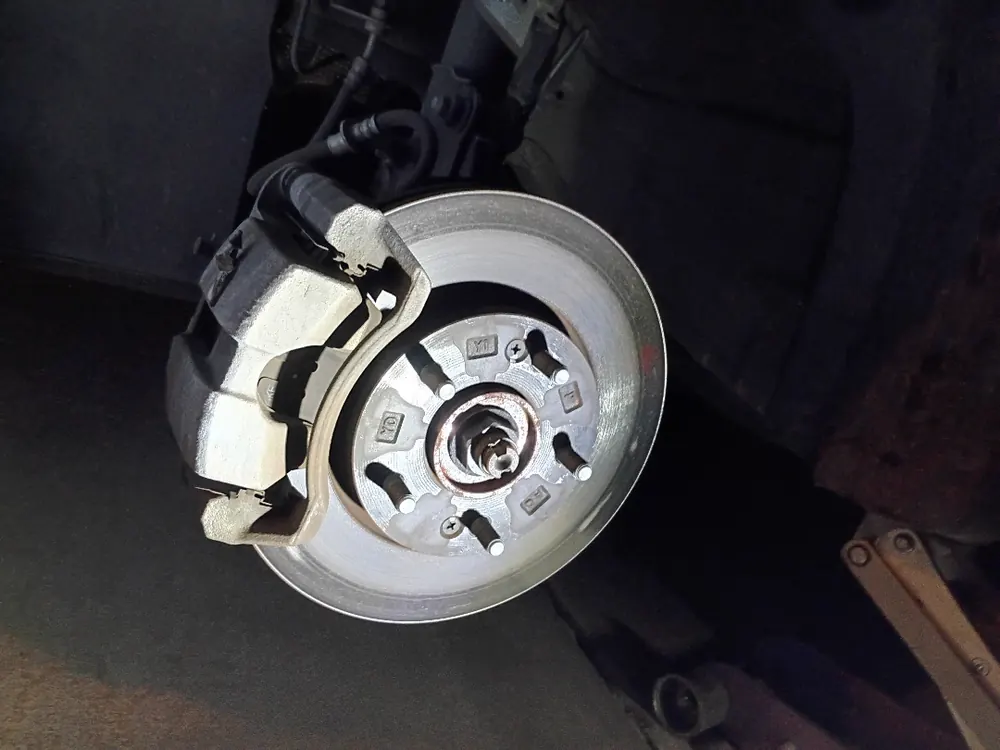
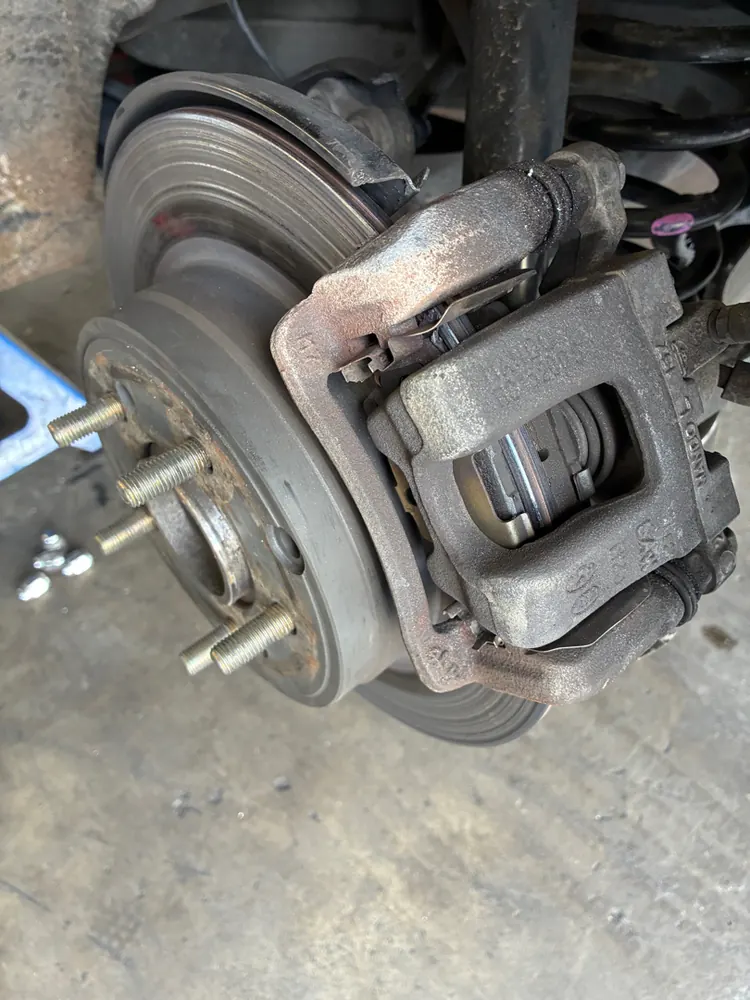
The rear pads were worn out, like the owner said. The front pads were worn too.
That is common. Most people feel or hear one end of the car first. The other end is often close behind.
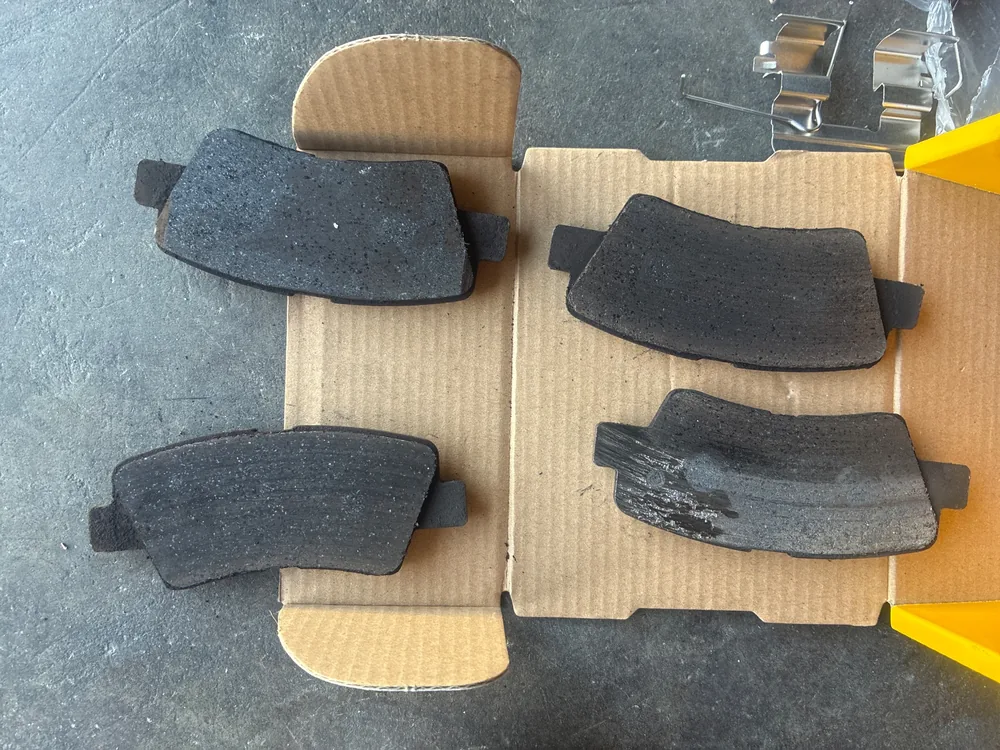
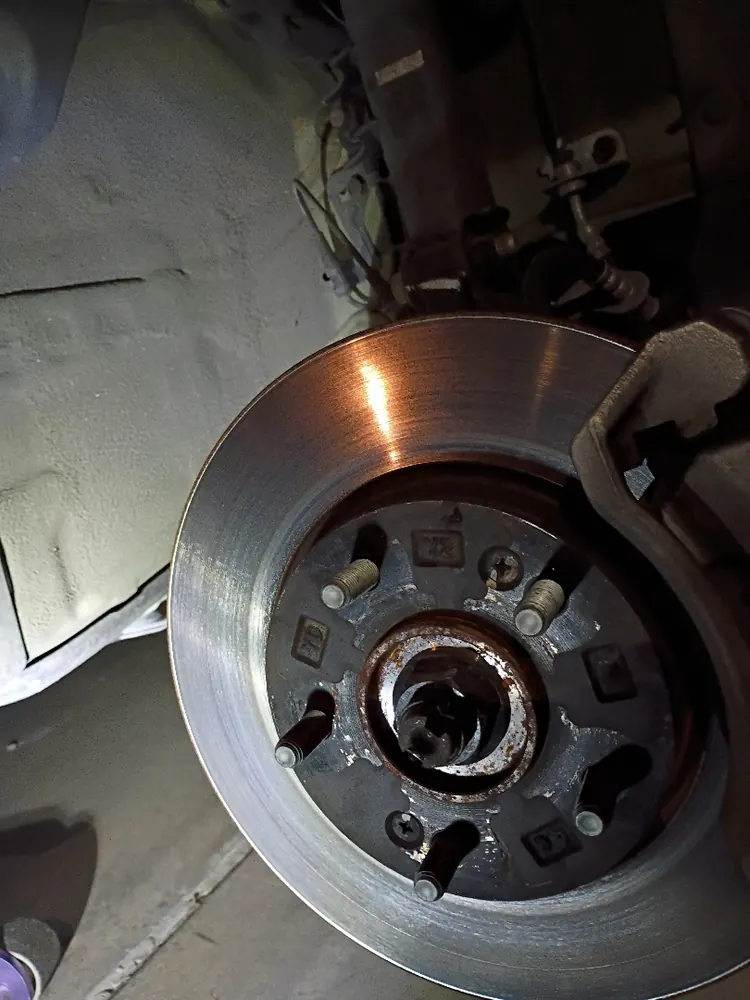
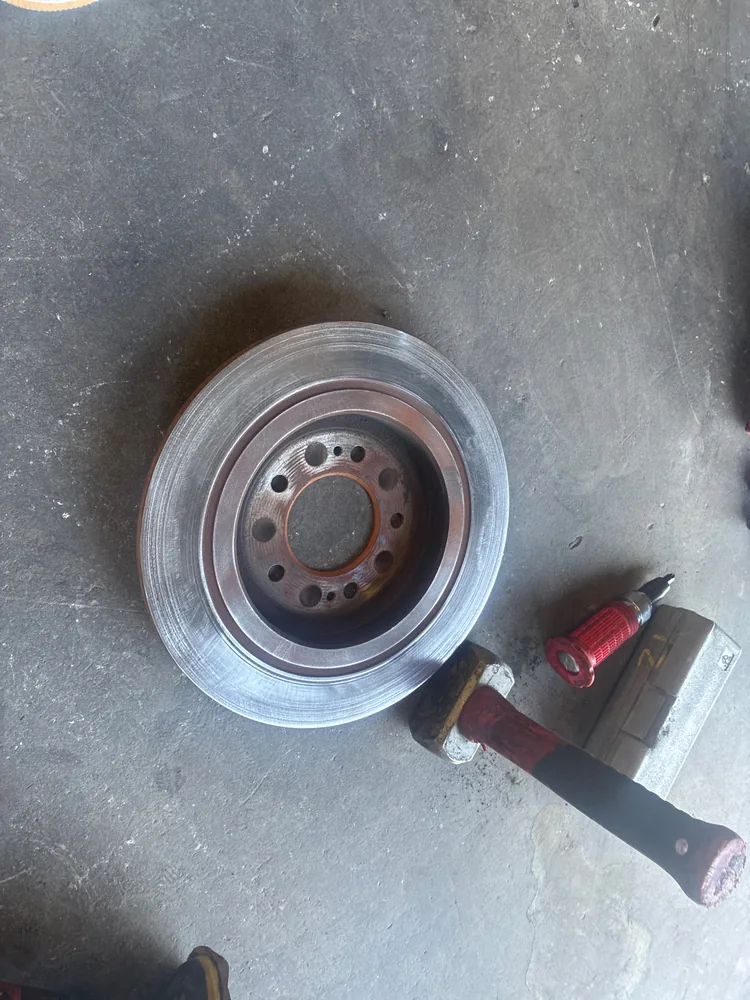
The rear rotors were worn too. Our tech wrote that down with the pads. New pads on bad rotors do not last as long, and they may not stop as smooth.
What Was Done and What It Cost
2020 Hyundai Tucson, October 19
Came in with: a request for rear brake pads.
Our tech found: front and rear pads worn. Rear rotors need replacing too.
Done: new front and rear pads. Rotors on their own quote.
Cost: $371.08.
The bill was two hours of labor at $125, plus the rear pads and the front pads. $371.08 in all.
The rotors went on a separate quote. We do not slip parts onto a bill. The owner sees the finding, sees the price, and decides.
Why We Check Both Ends
Your front brakes do most of the stopping. They often wear faster than the rears. So when someone asks for rear pads, we look at the fronts every time.
If the fronts are fine, we say so and leave them. If they are worn, you hear it from us before you pay for anything.
The Recall Every 2020 Tucson Owner Should Check
This has nothing to do with the pads, and it matters more. NHTSA lists one recall for the 2020 Tucson. The anti lock brake control unit can corrode inside and short out, and that can start a fire in the engine compartment.
NHTSA says owners should park outside and away from structures until the repair is done. Dealers replace a fuse and load new stability control software, free of charge.
The record does not say if this car had it done, so we do not claim it either way. If you own one, run your VIN and call a Hyundai dealer.
What the Quote Said About Rotors
The first quote spelled out the catch. It said the price assumed the rear rotors were in good shape and did not need machining or replacing. If they were grooved or warped, resurfacing or new rotors would cost more. It also included topping off the brake fluid and cleaning the hardware.
Then our tech wrote down that the rear rotors needed replacing. That is why they went on their own quote. The record does not show that quote as done, so we do not say the rotors were replaced.
That is how it should work. California's Write It Right guide says that before any repairs beyond the original estimate, a shop has to prepare a revised work order and get the customer's authorization.
Here is what worn pads do. Kelley Blue Book says the wear indicator squeaks when pads get low, and that it is better to replace them before the squeak to avoid damaging the rotors. Hyundai's owner manual for an earlier Tucson says ignoring that high pitched sound can eventually cost you braking performance. It also says to replace front or rear pads as pairs.
Want to look yourself? Haynes says to check for 2 to 3 mm of lining on cars without wear sensors. After new pads, it says to pump the pedal several times before you drive, and to bed them in gently over the first 200 km. Your own manual has the final word on your car.
Frequently Asked Questions
Do I have to replace front and rear brake pads at the same time?
No. Each end wears on its own. On this Tucson both ends were worn, so both got new pads.
Do I need new rotors with new brake pads?
Not always. If the rotors are worn, new pads on them wear out faster and may not stop smooth. Our tech checks them and tells you.
How much did this brake job cost?
$371.08 for front and rear pads with two hours of labor. The rotors were quoted on their own.
Do you work on cars from Indio?
Yes. This owner called from Indio. Call us and we will tell you how we can get your car looked at.
Supercanic tip: If your brakes squeal or grind on one end, ask for both ends to be checked. It costs nothing extra to look. Call us at (951) 904-2477.
What We Read
NHTSA, Recalls for the 2020 Hyundai Tucson
Hyundai, 2011 Tucson Owner Manual, Disc Brake Wear Indicator, hosted by ManualsDir
Haynes, Change Car Front Brake Pads, Hyundai Tucson
Kelley Blue Book, 2020 Hyundai Tucson Brake Repair
California Bureau of Automotive Repair, Write It Right
Brakes Making Noise?
We check all four wheels and tell you what we find before you pay for parts.