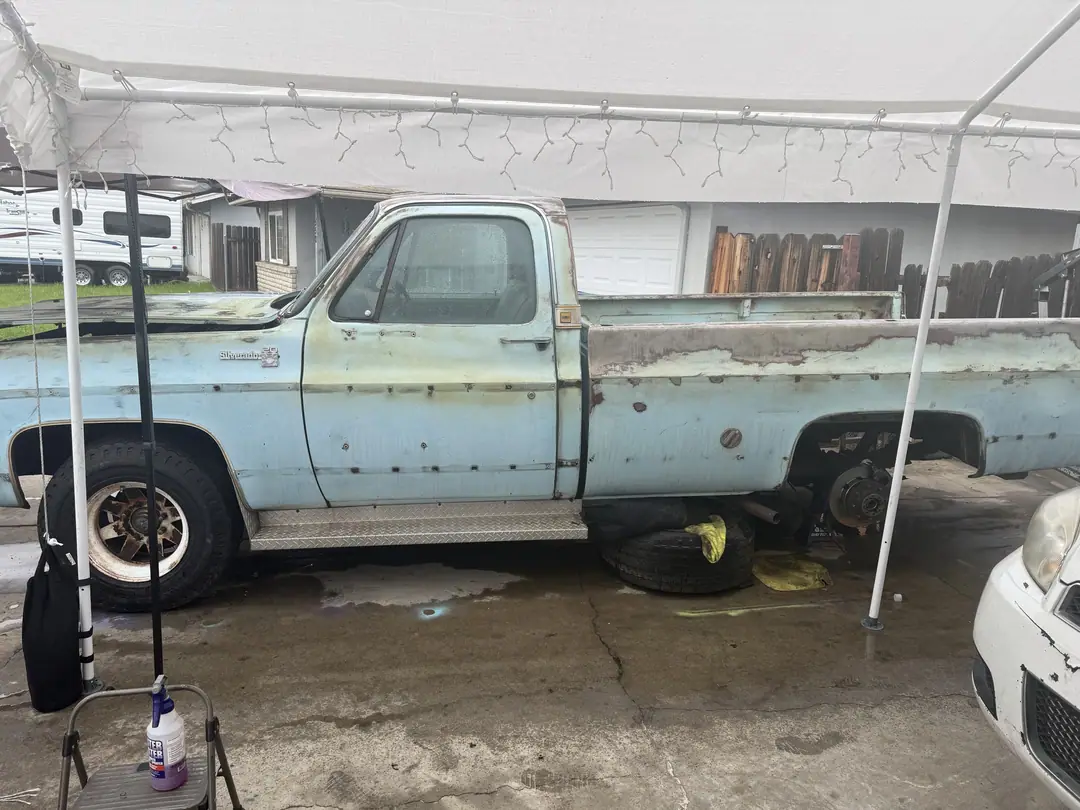
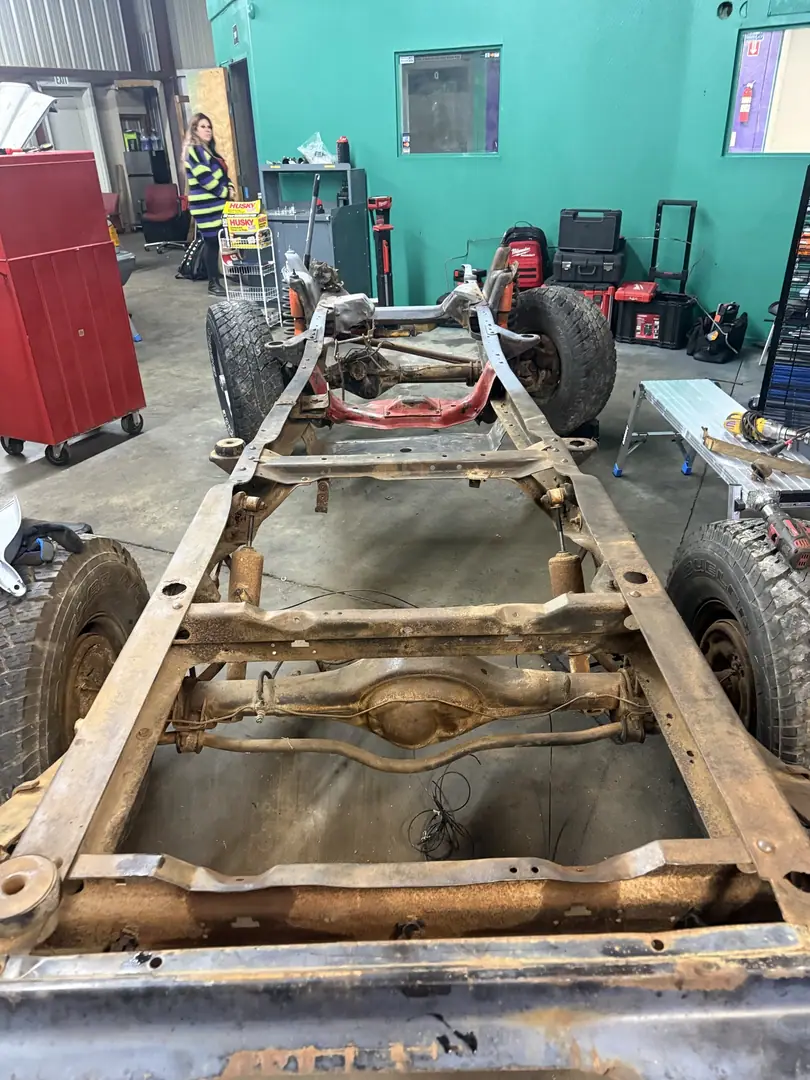
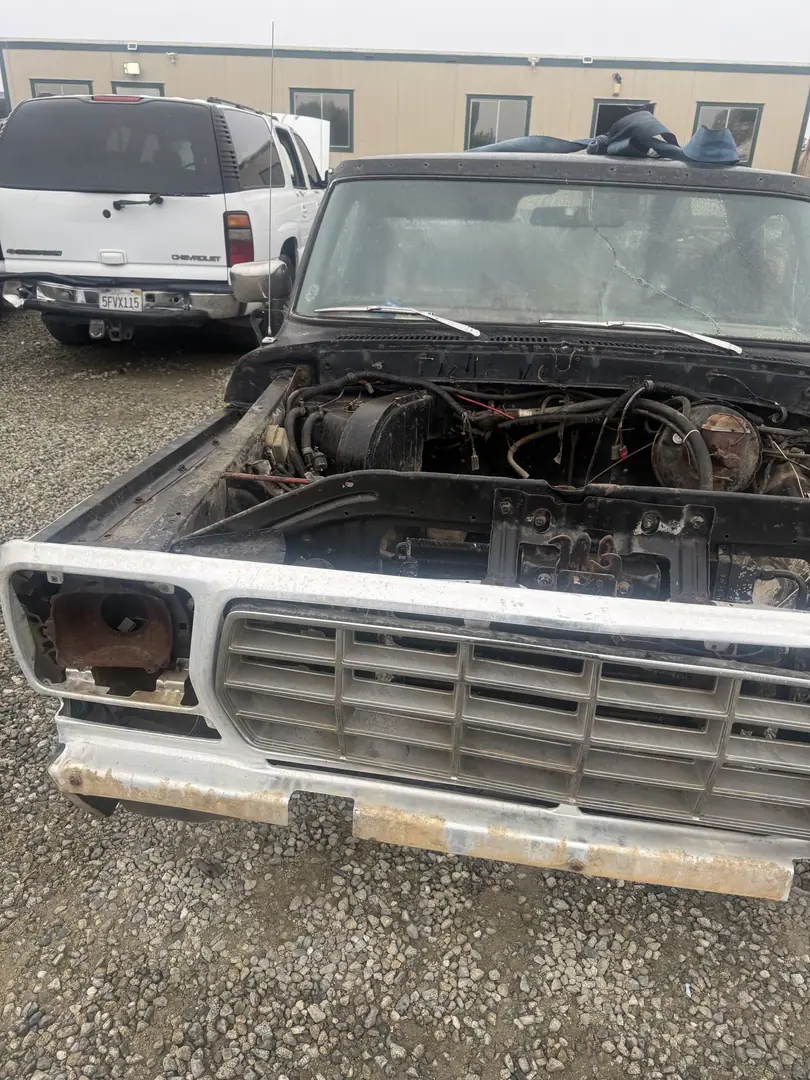
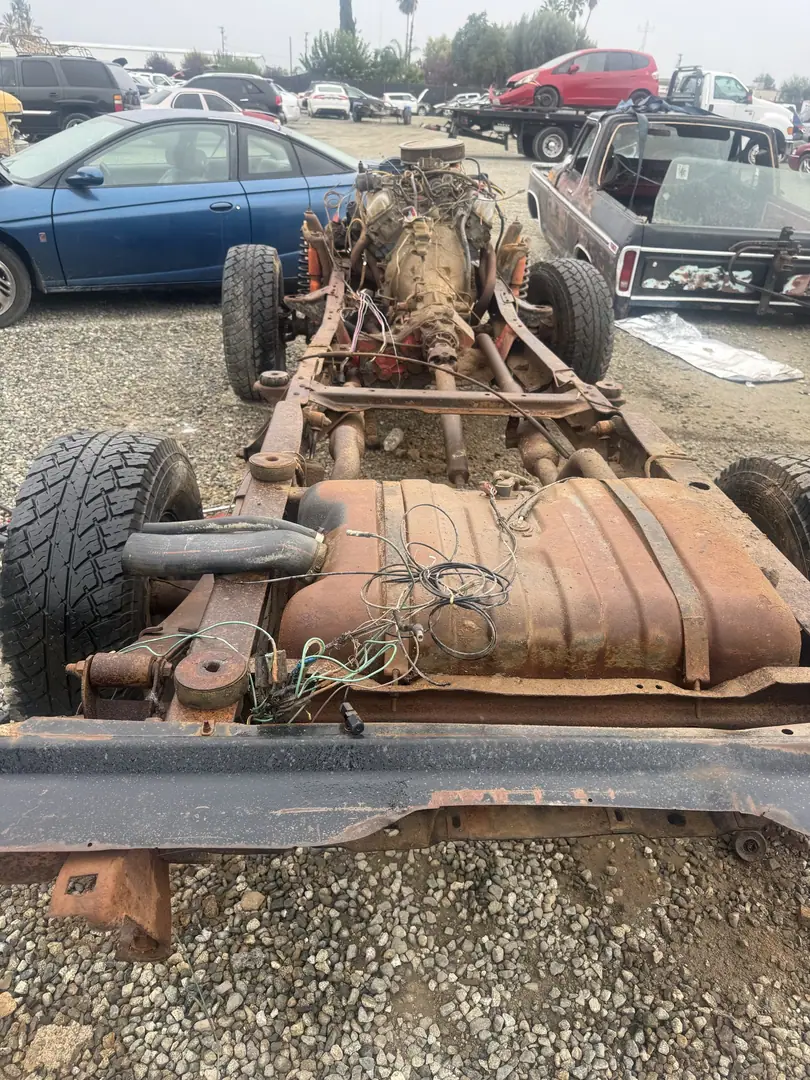
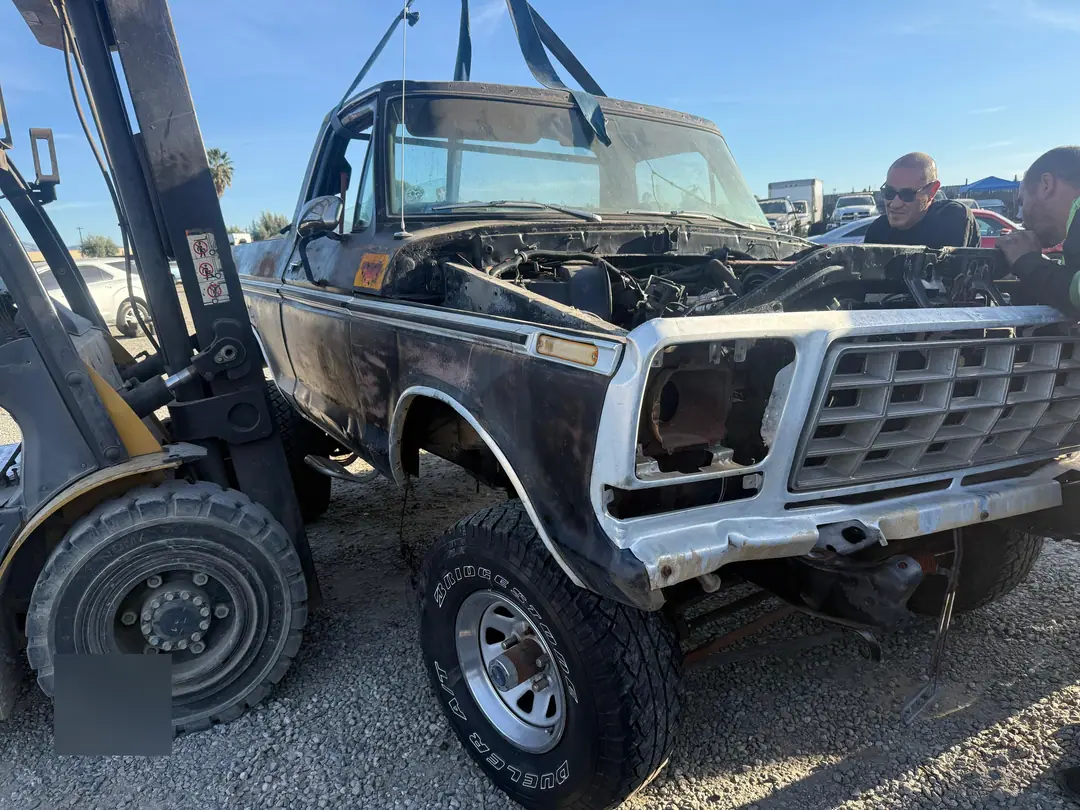
November 2025 was a big month for us. We moved into our own bays. And one of the first projects to roll in was a 1970s Ford pickup that had come apart at the yard. The body came off, and the bare frame rolled into the shop on its axles.
By December 2025 the engine was back in. Our photos follow it from the yard to the bays and back out. Here is why a frame-off made sense, and what a frame tells you once it is bare.
Quick answer: A frame-off means the body comes off the frame. It is a big step, but on an old truck it can be the only way to fix rust, worn bushings and brake lines properly. It also shows you the true condition of the truck.
What We Saw
Why Take the Body Off
On a body on frame truck, the cab and bed bolt onto a ladder frame. Over decades, rust, dirt and old repairs build up where the two meet. Brake lines and fuel lines run along the frame rails, often under the body where you cannot see them.
With the body off, every inch of the frame is in plain view. So are the axles, springs, steering box and lines. It turns a guess into a list.
What a Bare Frame Shows
- Rust, and whether it is surface rust or rot through the metal.
- Cracks near spring hangers and crossmembers.
- Bent rails from an old crash or off road hit.
- Worn spring bushings and shackles.
- The condition of every brake line and fuel line.
Our photos show the frame in the bays with the axles and wheels still on. That is a good way to move it and a good way to check the axle seals, the U joints and the steering parts while everything is open.
Our First Month in the Bays
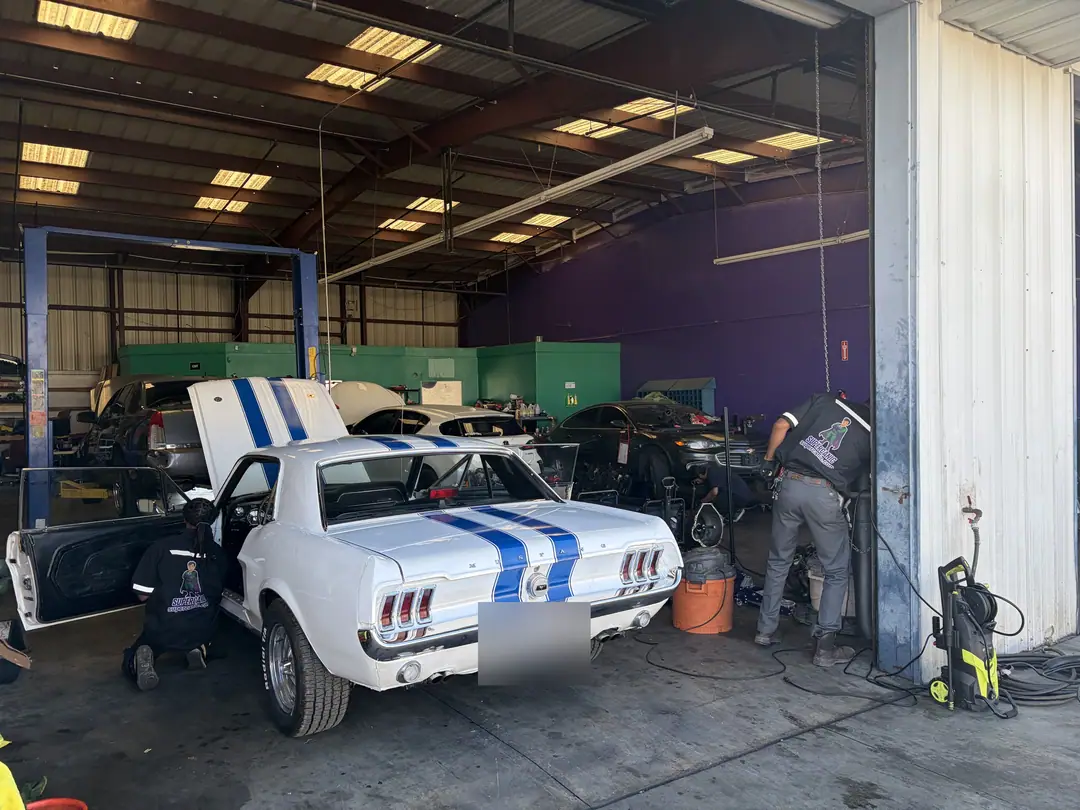
This truck was a fitting first project for the new shop. Before November we would have had to do this kind of work outside. Now we had concrete floors, roll up doors and room for more than one job at a time. You can see the bays in the Our Story chapter called The Shop.
By December the engine was back in the truck, as our last photo shows. A frame-off is long work. It goes in stages, and each stage gets checked before the next one starts.
Questions Owners Ask About Frame-Off Work
Is a frame-off always needed? No. Many old trucks just need brake lines, bushings and a good cleaning. A frame-off makes sense when rust or damage hides where you cannot reach it.
How long does it take? It is a long job, done in stages. This one went from the yard in November to engine back in during December.
Can I do some of it myself? Often, yes. Cleaning, paint and parts sourcing are good owner jobs. We do the parts that need lifting, welding or a trained eye.
Does the body need paint? That is up to you. We focus on the frame, the running gear and safety first.
What It Means for Your Truck
If your classic truck has rust underneath, ask for an honest look at the frame before you spend money on paint. A truck that looks rough can have a good frame. A truck that looks great can hide a bad one.
Our bays are in San Jacinto. See the San Jacinto page for hours, and our engine repair page for the kind of work we do.
Supercanic tip: On any old truck, replace the brake lines that run along the frame if they show rust. They fail without warning. Call or text (951) 644-1599.
Classic Truck Project?
Bring it in. We will tell you what it needs and what it does not.