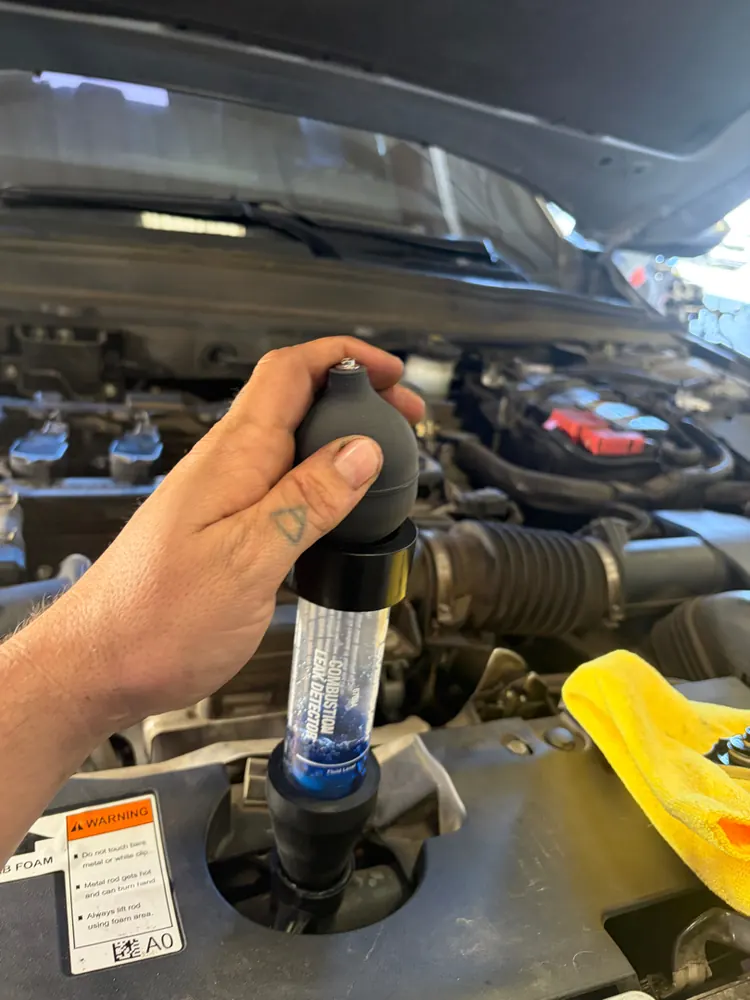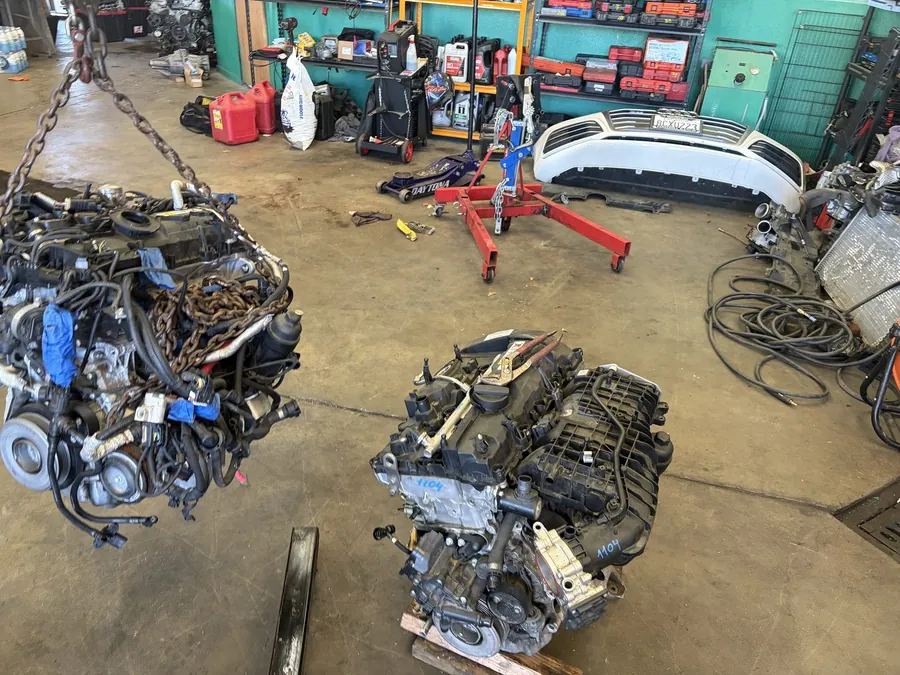
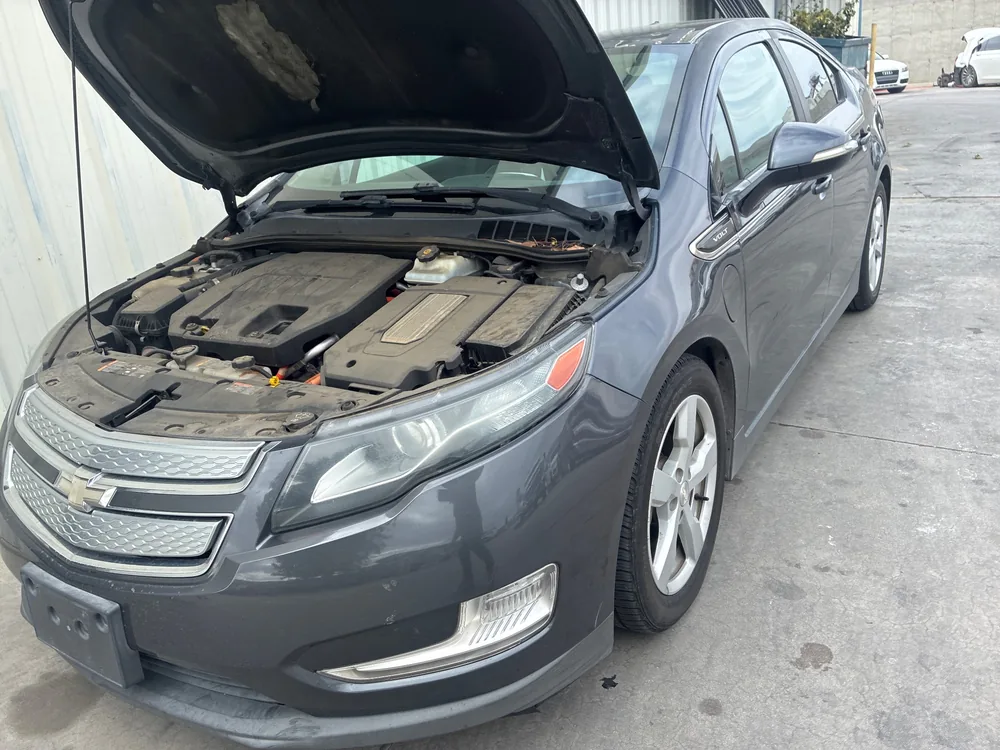
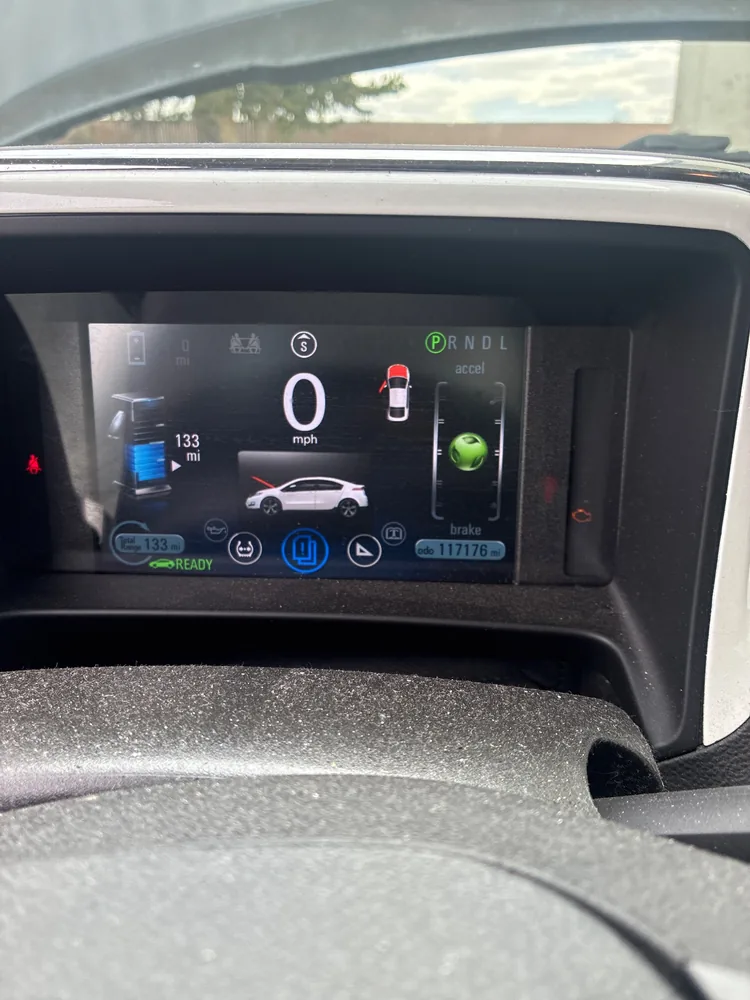
Quick answer. This 2013 Chevy Volt had 117,176 miles and a grinding noise. Our tech did one hour of diagnosis, $125, and found the cause. The camshaft lobes were worn. That wear was causing the grinding. The record shows the diagnosis only, so this post stops there.
Recap Up Front
- The worst news first. The camshaft lobes on this engine are worn.
- That wear was the source of the grinding noise.
- The car had 117,176 miles on it.
- The diagnosis was one hour, $125.
- The record does not show a repair yet. We will not guess at one.
Read our guides a lot? Star Supercanic as a source in Google and our new posts show up more often in your Top Stories.
What Came In
A 2013 Chevy Volt. The Volt drives on electric power first, and it has a small gas engine that runs to make more power when the battery runs low.
The work order said Diagnostic. The car was making a grinding noise, and the owner wanted to know why.
What the Tech Found
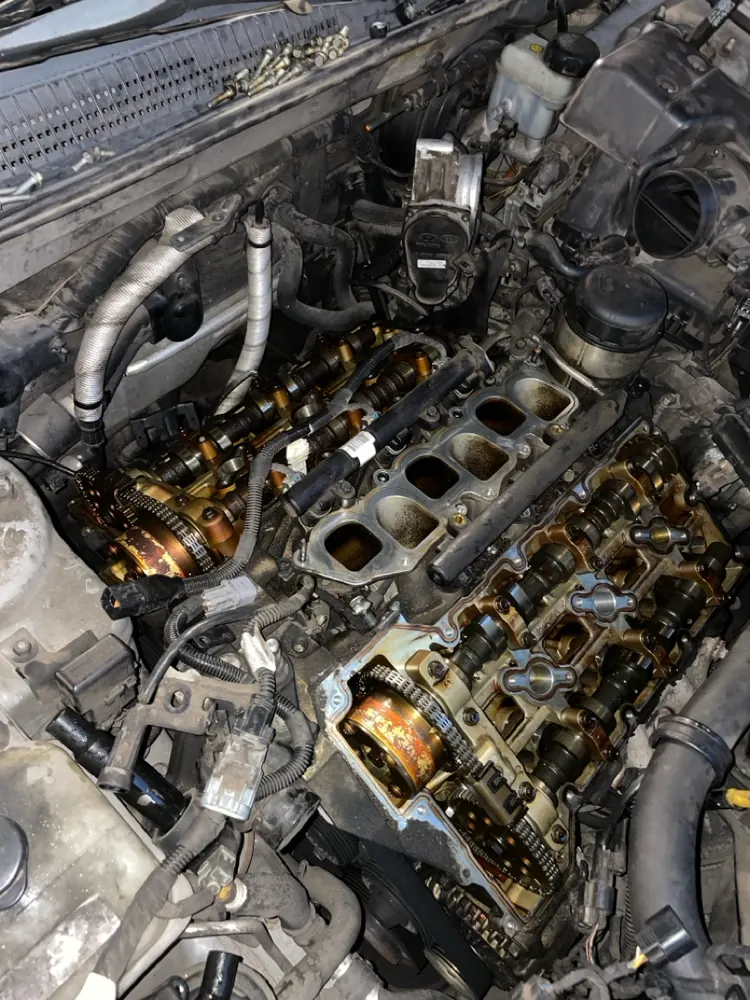
The tech found it in the top of the engine. The camshaft lobes were worn.
A camshaft has a row of egg shaped bumps called lobes. As the shaft turns, each lobe pushes a valve open. When a lobe wears down, the parts that ride on it do not move the way they should. Metal rubs on metal. That is the grind.
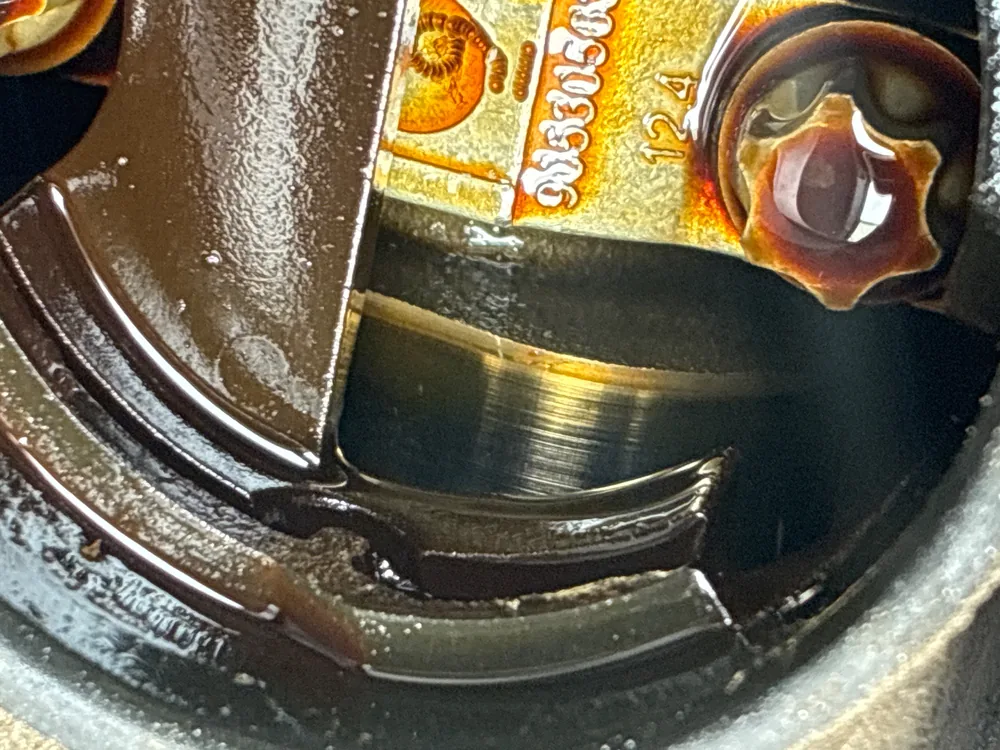
Worn cam lobes are not a part you swap in ten minutes. They are inside the engine. That is why we put this one first and plain.
What It Cost to Find
2013 Chevy Volt, October 17
Came in with: a grinding noise, booked as a diagnostic.
Miles: 117,176.
Tech found: worn camshaft lobes, causing the grinding.
Cost: $125 for one hour of diagnosis.
The diagnosis was $125. For that, the owner got the cause, in plain words, with photos of the actual part.
Our techs write every finding on a diagnostic card in Shop Desk, the software our San Jacinto shop built. The owner reads it on their own phone. Other mechanics can use the same thing free.
Miles on a Volt Are Not Engine Miles
The odometer says 117,176. That does not tell you how long this engine ran. The record does not say either.
FuelEconomy.gov lists the 2013 Volt with a 1.4 liter four cylinder, 38 miles of electric range and 37 MPG on gas alone. An owner who charges every night can go a long way without the engine. An owner who never plugs in runs it all the time.
Vehicle Service Pros explains why that matters to the engine. It says the engine tends to go unused for long stretches, so the car has an automatic maintenance mode that runs it to keep it lubricated. It will also run the engine to burn off gas that is a year old.
So oil age counts here, not just miles. The same article tells of oil that sat in a Volt for just over a year with half its life left. It lists 3.7 quarts of Dexos approved 5W-30. If you own one, know when your oil was last changed, even if the screen looks fine.
Why Cam Lobes Wear and What to Ask
The record gives the finding, not the cause. We will not guess why this engine wore. Here is what is known in general.
A camshaft failure guide from FridayParts says the hard surface on a lobe can be only .050 to .100 inch deep. Once that layer is gone, the softer metal under it wears fast. It calls poor lubrication the top killer of camshafts. That guide is written for heavy equipment, but a lobe and a follower work the same way.
The same guide lists loud ticking, rough idle, power loss and a check engine light as signs. It is not a checklist for this car. It is a reason to take a new noise seriously.
If a shop tells you this about your Volt, ask to see the photos. Ask what the oil looked like. Ask if the followers were looked at too, because they ride on those lobes. Then ask what the next step would cost before you decide.
Check the recalls while you are at it. NHTSA's list for the 2013 Volt has three. One is a driver air bag inflator that can explode in a crash. One is about the engine starting itself to charge a drained battery when the car is left on, which can build up carbon monoxide in a closed space. One is a software campaign on a low voltage condition that can cost you propulsion.
We do not know if this Volt had those done. Run the VIN.
Quick Hits
What causes a grinding noise from a Chevy Volt engine?
On this Volt, it was worn camshaft lobes. Other cars can grind for other reasons, so it needs a diagnosis.
What are camshaft lobes?
They are the bumps on the camshaft that push the valves open. When they wear, the valve parts do not move right and can make noise.
How much did the diagnosis cost?
$125 for one hour.
Was the Volt repaired?
The job record we wrote this from shows the diagnosis only. It does not say what the owner chose to do next.
Can I keep driving with worn cam lobes?
Ask your mechanic. Wear inside an engine tends to get worse, not better, so do not wait long to decide.
Supercanic tip: A new noise from the engine is worth one hour of diagnosis before it turns into a bigger bill. Call us at (951) 904-2477.
What We Read
EPA and DOE, FuelEconomy.gov, 2013 Chevrolet Volt
Vehicle Service Pros, Servicing The Chevy Volt January 2, 2015
FridayParts, Camshaft Failure Analysis, What Causes Excessive Lobe Wear July 2, 2025
NHTSA, Recalls for the 2013 Chevrolet Volt
Hearing a Grind or a Tick?
We find the cause and show you a photo of it before you pay for any part.