Quick answer. Stay calm and keep steering. Pump the brake pedal hard and fast, shift to a lower gear, and pull the parking brake slowly and steadily. Put your flashers on and steer toward a safe spot off the road. Do not turn the engine off while the car is moving.
Key Points
- Total brake failure is rare. Most cars have two separate brake circuits, so you usually keep some braking.
- Pumping the pedal can bring back pressure. A lower gear and the parking brake do the rest.
- Never shut the engine off while moving. You lose power steering and the wheel can lock.
- Most brakes warn you first. Squeals, grinding, a soft pedal or a warning light all come before a failure.
- If the pedal feels wrong, do not drive it to the shop. Call for a tow or a mobile mechanic.
The First Ten Seconds
Your foot goes down and the car does not slow the way it should. This is what to do, in order.
- Take your foot off the gas. If cruise control is on, tap it off.
- Pump the brake pedal. Press it to the floor fast and hard, over and over. This can build pressure back up in a leaking system. If your car has ABS and the pedal still feels firm, press and hold instead.
- Shift down. In an automatic, move to a lower gear or the L or 1 position. In a manual, drop one gear at a time. The engine will slow the car.
- Use the parking brake. Pull the lever or press the button slowly and keep steady pressure. Yanking it hard at speed can lock the rear wheels and spin the car.
- Warn everyone. Flashers on. Use the horn if you need to.
- Steer to safety. Look for a shoulder, an empty lot, or an uphill road. On a Riverside County freeway, move right one lane at a time.
Two Things Never to Do
Do not turn the engine off. With the engine off you lose power steering and power brake assist. On many cars the steering wheel can also lock. That turns a scary moment into a crash.
Do not jerk the wheel. Smooth steering keeps the tires gripping. A sharp swerve at speed can roll a truck or spin a car.
If you are running out of room and every other step has failed, rubbing the side of the car along a guardrail or curb will scrub off speed. It damages the car. It is still better than hitting someone.
Why Brakes Fail
Brakes rarely fail all at once with no warning. When they do let go, it is almost always one of these.
| Cause | What You Notice First |
|---|---|
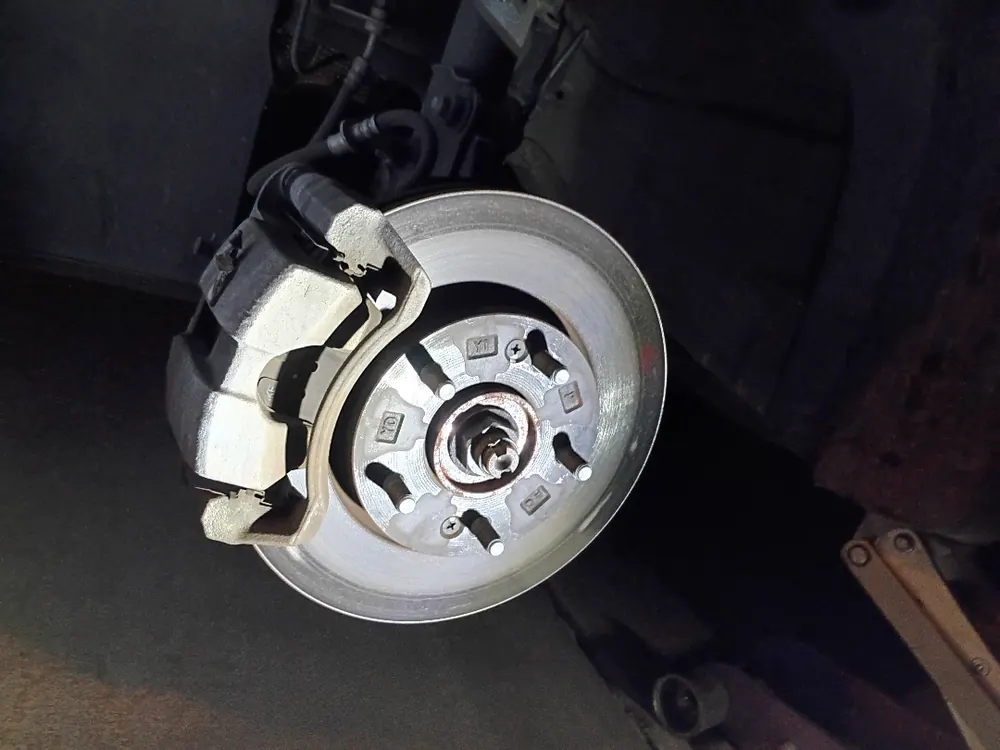
| Brake fluid leak | A soft or sinking pedal, a wet spot near a wheel, the red brake light |
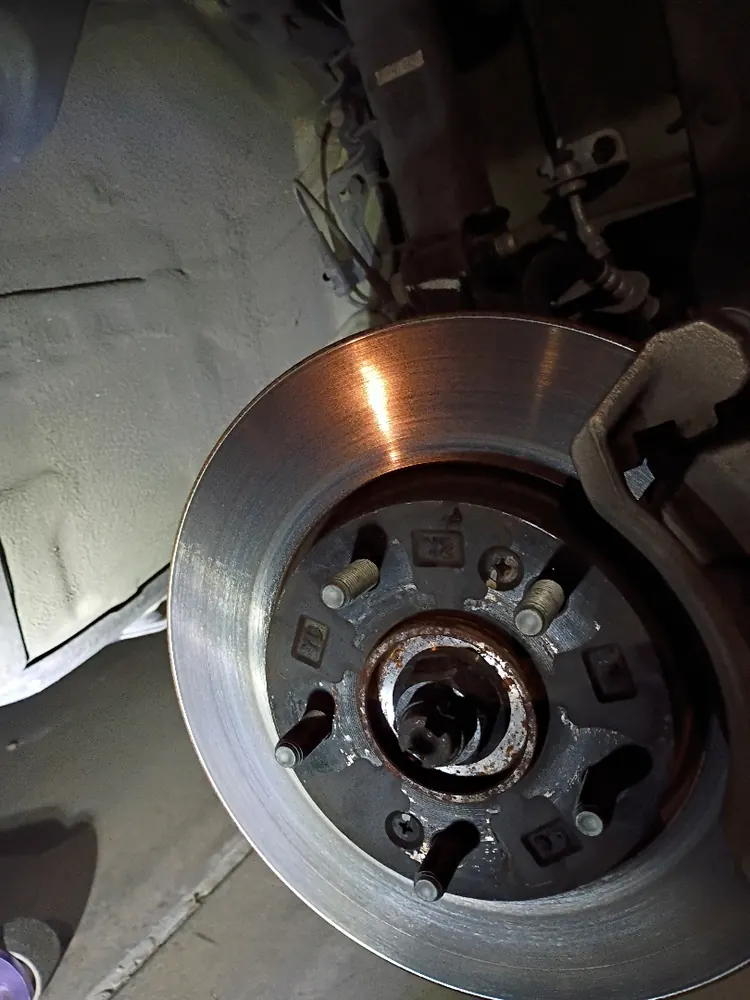
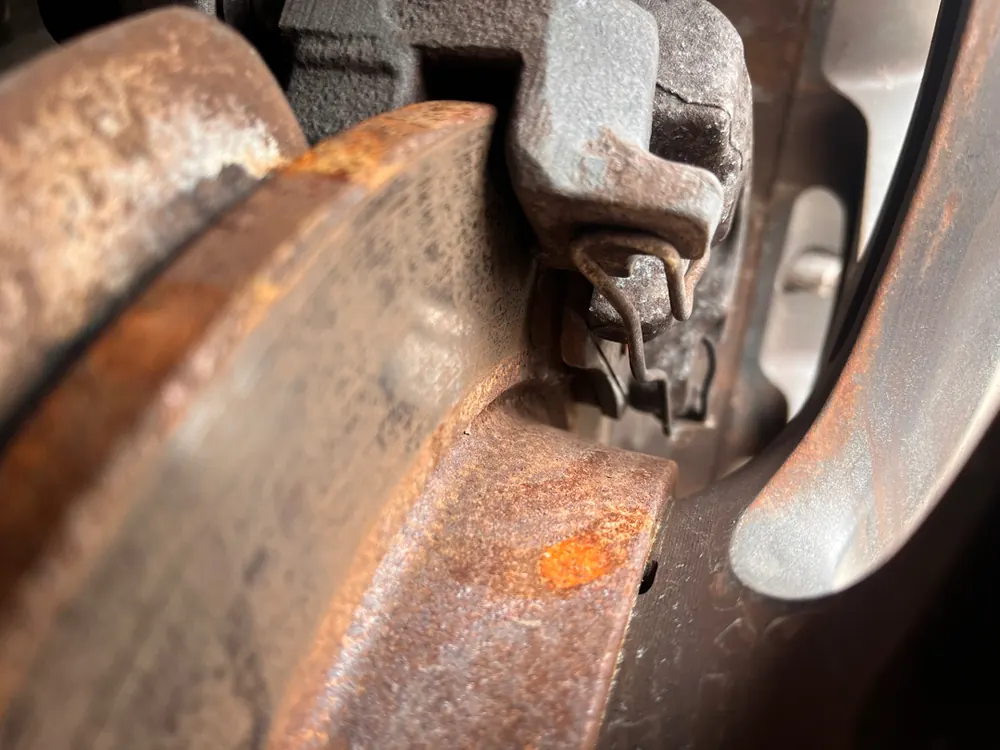
| Worn out pads | Squealing, then grinding metal on metal |
| Overheated brakes | A burning smell and a pedal that fades on long downhill grades |
| Old, wet brake fluid | A pedal that goes soft after hard stops in the heat |
| Failed master cylinder | A pedal that slowly sinks to the floor at a red light |
Heat matters here. Long grades like the Highway 74 drop toward Hemet, or the hills out of Temecula, can cook brakes on a loaded truck. Shift to a lower gear going down and let the engine hold the speed, so the brakes stay cool.
Warning Signs to Never Ignore
- A red BRAKE light on the dash, or an amber ABS light.
- A pedal that feels soft, spongy, or sits lower than it used to.
- Grinding, or a squeal that started and never stopped.
- The car pulls to one side when you brake.
- A shake in the pedal or the wheel when you stop.
- A burning smell after normal driving.
Any one of these is a reason to get the brakes checked this week. Our guide to pads versus rotors explains what the noises usually mean, and our brake job cost guide shows what a fix usually runs.
Supercanic tip. If the pedal feels wrong, park it. Do not drive a car with failing brakes to a shop. We come to you anywhere in Riverside County, day or night. Call (951) 644-1599 and we will check it where it sits.
After You Stop
Once the car is safe, leave it there. Turn the engine off, set the parking brake, and get everyone away from traffic. Do not try to limp it home, even if the pedal seems to come back. A pedal that came back by pumping will fail again. Call for a tow, or call us and we will come check the brakes at the roadside or in your driveway.
Frequently Asked Questions
What is the first thing you do if your brakes fail while driving?
Take your foot off the gas and pump the brake pedal hard and fast. Then shift to a lower gear and pull the parking brake slowly. Turn your flashers on and steer to a safe spot.
What should you never do during a brake failure?
Never turn the engine off while the car is moving, because you lose power steering and the wheel can lock. Never yank the parking brake hard at speed, and never jerk the steering wheel.
Can brakes fail without warning?
It is rare. Most brake failures come after weeks of warning signs like squealing, grinding, a soft pedal or a warning light. A sudden failure is usually a burst brake line or brakes that overheated on a long hill.
Can I drive a car with bad brakes?
No. If the pedal is soft, the brake light is on, or the brakes grind, park the car. Have it towed or have a mobile mechanic check it where it sits.
Which brakes go bad first, front or back?
The front brakes usually wear out first. They do most of the stopping, so the front pads often wear about twice as fast as the rear ones.
Does the parking brake work if the regular brakes fail?
Yes. The parking brake works through a cable or an electric motor, not the brake fluid. It stops the car more slowly, so pull it gently and hold it.
Brakes Feel Wrong?
Do not drive on it. We come to you anywhere in Riverside County and check the brakes where the car sits.