Quick answer. Most brake rotors last 30,000 to 70,000 miles. Easy highway miles can push them past that, and hard city driving can wear them out near 20,000. Miles are only a guess, though. A rotor is done when it measures below the minimum thickness stamped on it, or when it is cracked or deeply grooved.
Key Points
- The common range is 30,000 to 70,000 miles. That is about 2 to 7 years for most drivers.
- Every rotor has a minimum thickness. A micrometer reading, not the odometer, says when it is done.
- A shaking pedal is rarely a bent rotor. It is usually uneven thickness, and the cause has to be fixed too.
- Downhill grades, heavy trucks and worn out pads shorten rotor life the most.
- Hybrids and EVs barely wear rotors, but their rear brakes can rust and seize from lack of use.
We pull a lot of wheels. In the shop in San Jacinto, in driveways in Hemet, and on the side of the road across Riverside County. And when the rotor comes into view, the question is almost always the same. Do these need to be replaced, or are you selling me something? Here is how we answer it, and how you can check the answer yourself.
How Many Miles Rotors Really Last
The pages that rank for this question mostly agree on a range. A Honda dealer in Massachusetts put it at about 30,000 to 70,000 miles in a March 11, 2026 post, and said that works out to roughly 2 to 7 years at 10,000 to 15,000 miles a year. AutoZone says gentle highway drivers often get 60,000 miles, while stop and go driving can end a rotor as early as 20,000. AutoZone also says 100,000 miles is possible if you drive easy. A Ford dealer in San Antonio puts rotors at roughly 70,000 miles.
Rotor Life in Miles, by Source
So why is the range so wide? Because a rotor does not wear out on a schedule. It wears out from heat and friction, and some cars make a lot more of both than others. The same part can wear out twice as fast on a work truck as on a light commuter car. That is why the odometer is a hint, not an answer.
The Real Test Is Minimum Thickness
Every rotor wears a little thinner with each set of pads. Rotors have a minimum thickness, also called the discard thickness, stamped right on them. Once a rotor measures at or below that number, it is done. A thin rotor has less metal to soak up the heat of a hard stop.
A good tech checks it with a brake micrometer in several spots, not by eye. Rick Muscoplat, a longtime mechanic who writes about repair, explains the shop rule in his guide to reusing rotors. A rotor can only be resurfaced if it is at least 0.015 inch thicker than the discard number. He also says grooves about 0.060 inch deep, which is about a sixteenth of an inch, mean the rotor has to be resurfaced or replaced.
Here is how we make the call once the wheel is off.
| What We Find | What It Means | The Call |
|---|---|---|
| Smooth face, well above minimum thickness | Lots of life left | Keep it, new pads only |
| Light grooves, above the machine to number | Enough metal to clean up | Resurface, or replace if the price is close |
| Near or below the stamped minimum | Not enough metal left | Replace |
| Deep grooves from metal on metal | Pads wore through | Replace |
| Cracks in the face or edge | Overheated or worn too thin | Replace |
| Pedal pulses, but thickness is fine | Uneven thickness or runout | Measure runout and fix the cause first |
On many newer cars the rotors are thin from the factory. When the price to resurface one is close to the price of a new one, new is usually the better deal, and it is what we tell people.
What Wears Rotors Out Fastest
These are the five things we see shorten rotor life the most, worst first.
- Pads worn to the metal. Once the backing plate touches the rotor, it cuts grooves fast. Our brake cost guide shows a $250 pad job turning into a $550 pad and rotor job this way. Squealing is the warning. Grinding means it already happened.
- Long downhill grades. Riding the brakes down a mountain cooks them. The Manitoba driver's handbook says to shift to a lower gear before a steep hill so the engine helps you slow down. Around here that means the drop on Highway 74 from the mountains into Hemet, and any trip down from Idyllwild.
- Weight. Trucks, work vans and anything that tows put more heat into the brakes on every stop.
- Stop and go driving. More stops means more heat and more wear. AutoZone's 20,000 mile low end comes from this.
- Sitting still. A car that sits for weeks grows rust on the rotor face. A little surface rust wipes off in a few stops. Months of it pits the metal.
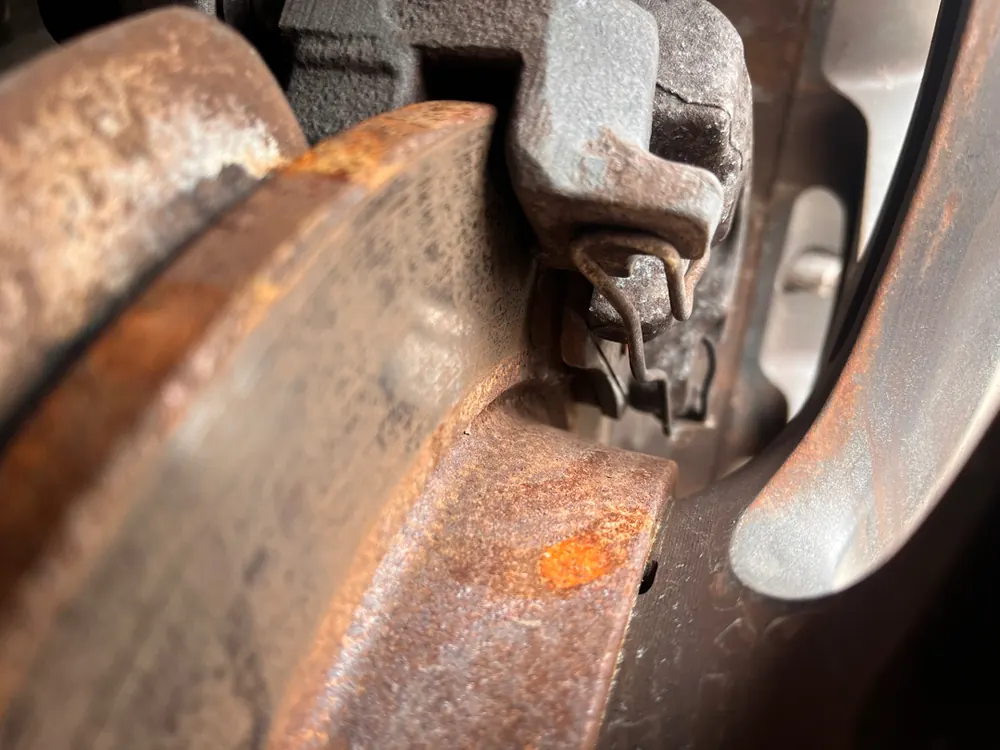
The Warped Rotor Myth
When the brake pedal pulses or the steering wheel shakes as you stop, most people say the rotors are warped. We say it too, out of habit. But the rotor is almost never bent.
Brake & Front End, a trade magazine for brake techs, explained this in a December 29, 2014 article. Rotors are cast at heat three to five times higher than the hardest stop, so normal braking cannot bend one. What really happens is called disc thickness variation. If the rotor wobbles a tiny bit on the hub, the pads touch it unevenly and leave pad material in some spots and not others. The magazine says a difference of just 15 microns, or 0.00059 inch, can be enough for a driver to feel it.
The wobble often starts with rust on the hub face, lug nuts tightened unevenly, a worn wheel bearing or sloppy machining. That matters for your wallet. If a shop slaps new rotors on and does not clean the hub or torque the lugs right, the shake comes back. Ask how they will stop it from returning.
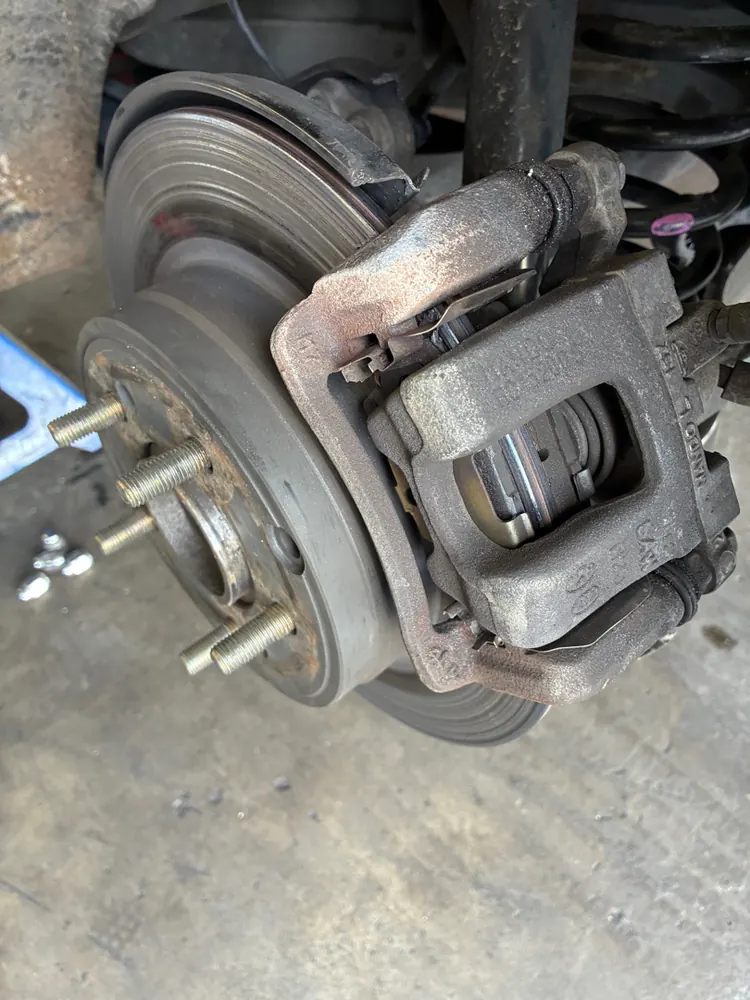
Hybrids and EVs Are Different
A hybrid or electric car does most of its slowing with the motor, called regenerative braking. That means the pads and rotors barely work, so they can last a very long time. The catch is rust.
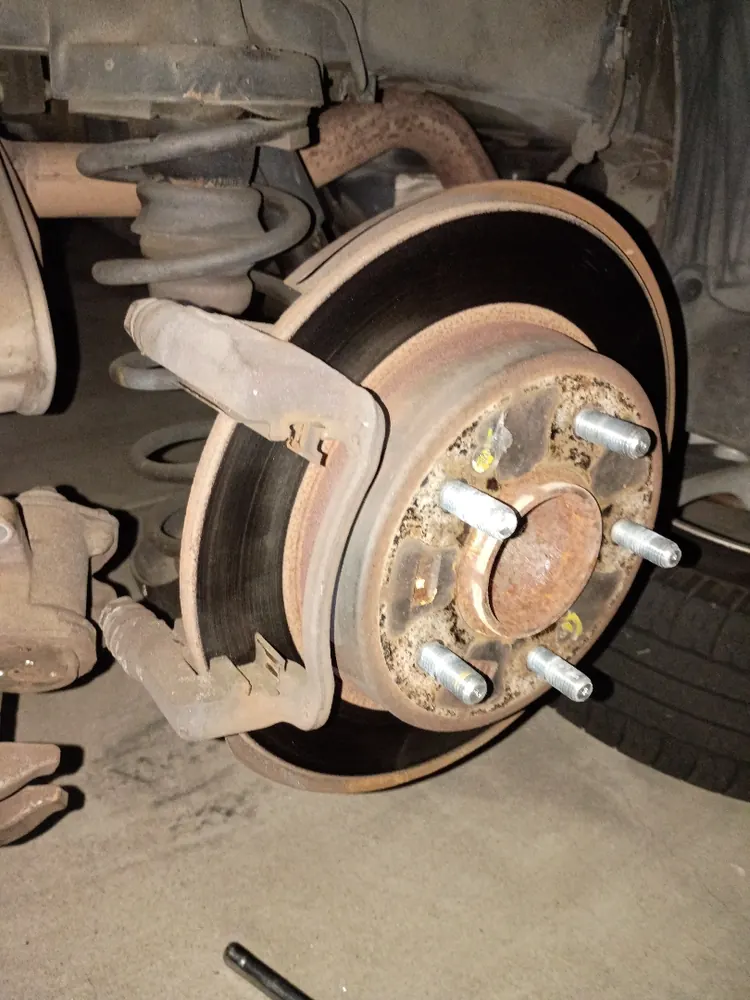
Brake & Front End wrote up a 2014 Chevy Volt in an August 18, 2025 case. The rear brakes on that car only work in hard stops or at very low speed. They hardly ever got warm, so the rear rotor rusted badly and the rear caliper seized. The magazine says to pull the wheel to inspect these cars, not just peek through the spokes. If you drive a hybrid, have the rear brakes looked at with the wheels off once in a while, even if they have plenty of pad left.
What New Rotors Cost
On October 11, 2026, the Duralast rotors on AutoZone's rotor guide ranged from $101.99 to $144.99 each for the parts shown. Rotors go on in pairs, one each side of the axle, and you want new pads with them. AutoZone says the same thing about doing both sides together.
Our own posted ranges are in our brake job cost guide. Pads and rotors on a sedan or small SUV run $350 to $700 per axle. A full size truck or SUV runs $450 to $900 per axle. Pads alone run $200 to $400 per axle. That gap is why it pays to measure first. If the rotors pass, you skip a few hundred dollars.
Five Checks You Can Do Today
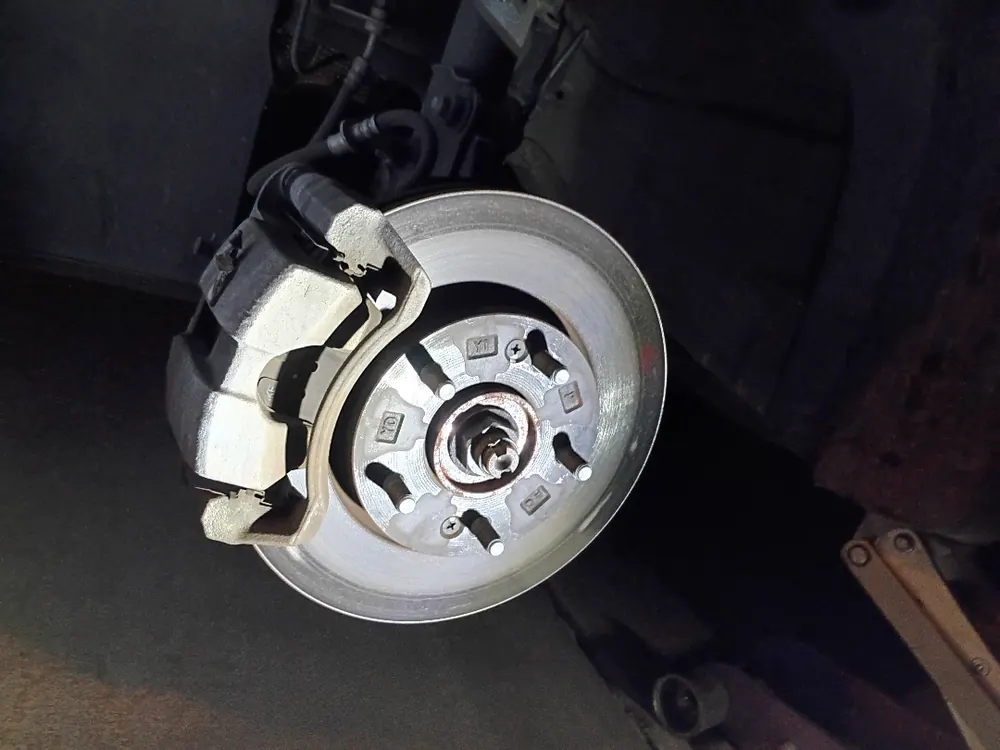
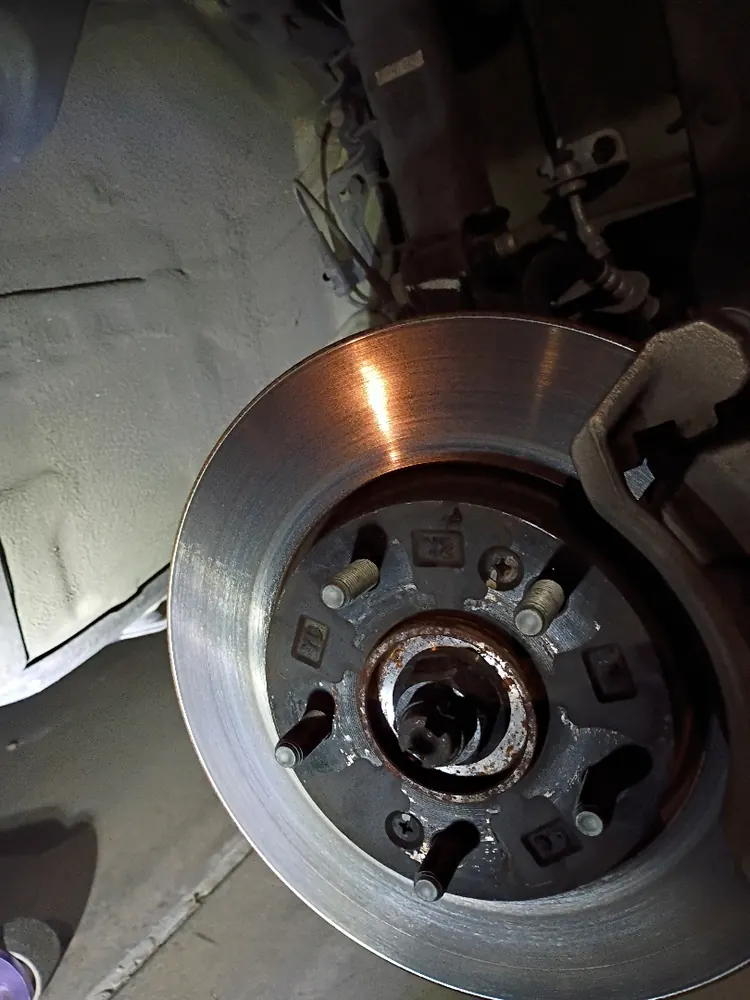
- Look through the wheel. Use a flashlight. A shiny face is normal. Deep rings, a rough face or a tall lip at the outer edge mean wear.
- Feel the pedal. A pulse when you stop from highway speed points to uneven thickness.
- Listen. A squeal is the pad wear tab. Grinding is metal on metal. Stop driving on grinding.
- Check the steering wheel. A shake only when braking points to the front rotors.
- Ask for numbers. When a shop says you need rotors, ask for the measured thickness and the stamped minimum. A real answer is two numbers.
Want the side by side on pads and rotors? Our post on brake pads vs. rotors covers how each one wears. If the brakes feel wrong right now, see our brake service page, or read what to do if your brakes fail while driving.
Supercanic tip. Ask any shop, us included, to write the rotor measurement on the estimate. We text estimates, so you see the numbers before any work starts. Call (951) 904-2477.
Frequently Asked Questions
How often do rotors really need to be replaced?
Only when they are below the stamped minimum thickness, cracked, or too grooved to clean up. For most cars that lands somewhere between 30,000 and 70,000 miles, and rotors usually outlast the pads.
Can rotors last 100,000 miles?
Yes. With gentle highway driving, light loads and pads changed before they wear through, rotors can pass 100,000 miles. Hybrids often go even longer because the motor does most of the braking.
How do you tell if your rotors need replaced?
A pulsing pedal, grinding, a deep lip at the outer edge, cracks or heavy grooves are the signs. The sure test is a micrometer reading compared to the minimum thickness stamped on the rotor.
How much does it usually cost to replace rotors?
Our posted range for pads and rotors is $350 to $700 per axle on a sedan or small SUV, and $450 to $900 on a full size truck or SUV. The parts alone are often around $100 to $150 per rotor.
Can I drive with a bad rotor?
For a short time, if it only pulses a little. Not if it grinds, the pedal sinks, or the car pulls hard to one side. Those mean get it checked now. We can come to the car so you do not have to drive it far.
Do rotors have to be replaced in pairs?
Yes. Replace or resurface both rotors on the same axle so the car stops straight. The front and rear axles can be done at different times.
Sources
- AutoZone, How Long Do Brake Rotors Last? Rotor prices read October 11, 2026.
- Nucar Honda of Norwood, How Long Do Brake Rotors Last? March 11, 2026.
- Northside Ford, How Long Do Brake Pads and Rotors Last?
- Brake & Front End, Warped Rotors. Runout and Disc Thickness Variation December 29, 2014.
- Brake & Front End, How Regenerative Braking Contributes to Rear Brake Corrosion August 18, 2025.
- Rick's Free Auto Repair Advice, When to Get Replacement Brake Rotors October 24, 2016.
- Manitoba Public Insurance Driver's Handbook, Hills
Sources checked October 11, 2026.
Brakes Pulsing or Grinding?
We measure your rotors, show you the numbers and text a written price before any work starts. Shop in San Jacinto, or we come to you.