Quick answer. The 3-3-3 rule for RVs is a pacing habit. Drive no more than 300 miles a day, get to camp by 3 pm, and stay at least 3 nights before you move again. It is not a law. It is a way to keep the driver fresh and the trip fun, and it happens to be easy on the rig too.
Key Points
- 300 miles, 3 pm, 3 nights. That is the whole rule.
- In California, a rig towing a trailer is held to 55 mph. At that speed, 300 miles is about 5 and a half hours of wheel time before any stops.
- To make 3 pm at 55 mph with two short breaks, you need to roll by about 8:50 in the morning.
- The rest stops the rule builds in are the best time to walk around the rig and catch a problem early.
- Slower and faster versions exist. The 2-2-2 rule, the 330 rule and the 4-4-4 rule all change the same three numbers.
We work on a lot of RVs and the trucks that pull them. In driveways in Hemet, at storage lots in San Jacinto, and at RV parks across the Inland Empire. Most of the breakdowns we see on a trip have one thing in common. The day was too long. The driver pushed past dark, skipped the stops, and the rig never got looked at until something gave out. The 3-3-3 rule fixes most of that. Here is what it means, how the math works in California, and what each part of it does for your brakes, tires and engine.
What the 3-3-3 Rule Says
Every page that ranks for this question gives the same three parts. Cruise America, the RV rental company, sums it up like this.
- Drive 300 miles or less a day. Long days wear the driver down, and a tired driver makes slow choices in a big rig.
- Arrive by 3 pm. You park, level and hook up in daylight, while the office is still open.
- Stay 3 nights. That gives you at least two full days at each stop with no setup or teardown.
Cruise America also adds a fourth three. Take a break about every three hours. Jalopnik made the same case in a May 22, 2026 piece, and called a day of 8 or so hours behind the wheel a slog. Nobody owns the rule and no law enforces it. It is a habit that RV owners pass along because it works.
The California Math at 55 MPH
Here is what the top pages skip. In California, speed decides how much of your day 300 miles eats. The California Driver Handbook says the top speed on most highways is 65 mph, but it is 55 mph for vehicles towing trailers. The DMV's RV and trailer handbook also says to take a 15 to 30 minute rest every two to three hours.
So we ran the numbers. This is our own worked example. It counts one 20 minute stop for every 2.5 hours of driving, which is the middle of the DMV's range. It does not count fuel, traffic or grades, so real days run longer.
| Miles | At 55 MPH (Towing) | At 65 MPH (No Tow) | Leave By, Towing, to Arrive by 3 PM |
|---|---|---|---|
| 200 | About 4 hours | About 3 hours 25 min | 11 am |
| 300 | About 6 hours 5 min | About 5 hours | 8:50 am |
| 330 | About 6 hours 40 min | About 5 hours 45 min | 8:20 am |
| 400 | About 8 hours | About 6 hours 50 min | 7 am |
Hours on the Road, Towing at 55 MPH
The takeaway is simple. If you tow, 300 miles is a full day in California, not an easy one. Roll out late and the 3 pm goal is gone before lunch. If your day has big grades on it, plan fewer miles, because you will be slower on the climbs and you should be slower on the way down. The same handbook says to stay in the far right lane, or a lane marked for slower vehicles, when you tow.
What Each Part Does for Your Rig
The pages that rank talk about the driver. That matters most. But as mechanics, we like the rule for a second reason. Each part of it gives the vehicle a break too.
300 Miles Means Less Heat
A motorhome or a loaded tow truck makes a lot of heat. Brakes, tires, the transmission and the cooling system all work harder than they do in a car. Shorter days mean fewer hours of that load in a row. Towing is hard on the brakes and the cooling system, so those are the two we check first before a long haul.
The Stops Are Inspections
The DMV RV handbook says to use your rest breaks to inspect your vehicle. We agree. Two minutes on foot around the rig catches more than any gauge. Here is what we would look at every stop.
- Tires. Look for bulges, cuts and a tire that looks lower than its partner. The DMV says to check pressure when tires are cold, so use the gauge in the morning and your eyes at the stops.
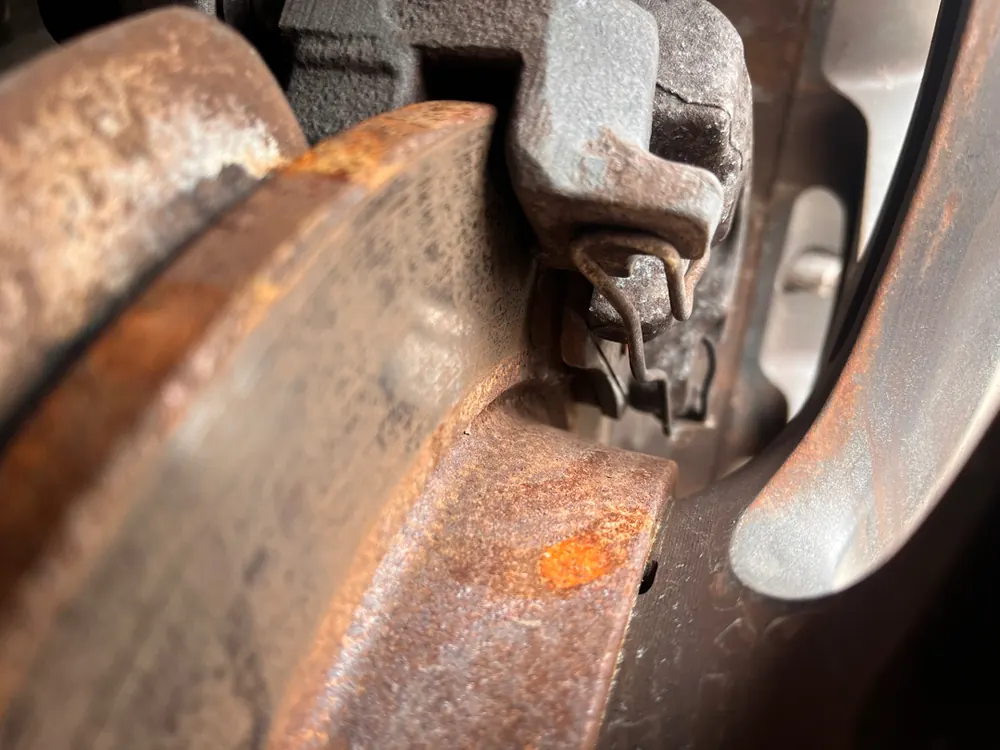
- Wheels and lug nuts. The DMV handbook says rust trails around the lugs can mean a wheel is loose. Look for missing or cracked lug nuts too.
- Hitch and chains. Pins in, latch closed, chains crossed and not dragging, lights working.
- Under the rig. Fresh drips of coolant, oil or transmission fluid on the ground.
- Smell. A hot brake smell or a sweet coolant smell is worth a closer look before you roll.

Arriving by 3 PM Leaves Time to Fix Things
If a warning light comes on at 1 pm, you still have the afternoon. Parts stores are open. A mobile mechanic can still get to you. At 9 pm on a dark shoulder, your choices shrink to a tow. Daylight also makes leveling and hookups safer, and it is a lot easier to see a leak in the sun.
Three Nights Gives the Rig a Rest
Three nights means the brakes and engine fully cool, and you have a full day to deal with anything you found on the walk around. If a part has to be ordered, it can show up before you leave. That beats driving on a problem because the next campsite is booked.
Grades Change the Math
Southern California has long climbs and long drops. Think of the drop on Highway 74 into Hemet, or the big passes on I-15 and I-10. A grade is where a long day turns into a broken one.
The DMV RV handbook calls any grade steeper than six percent extreme. It says to slow down and shift to a low gear before you start down, and to let the engine do most of the work. The brakes are only there to help. Its method for long downgrades goes like this.
- Pick a safe speed and shift to a low gear at the top.
- Brake just hard enough to feel a clear slowdown.
- Let off when you are about 5 mph under your safe speed. Each push should last about three seconds.
- When you are back up to your safe speed, do it again.
The handbook also warns about brake fade when you tow. Brakes that get too hot from long use stop working as well. A tired driver at hour seven is the one who rides the brakes all the way down. That is the real link between the 300 mile limit and your brakes. If your pedal feels soft or the brakes smell hot after a grade, pull over and let them cool. Our post on what to do if your brakes fail while driving covers the worst case.
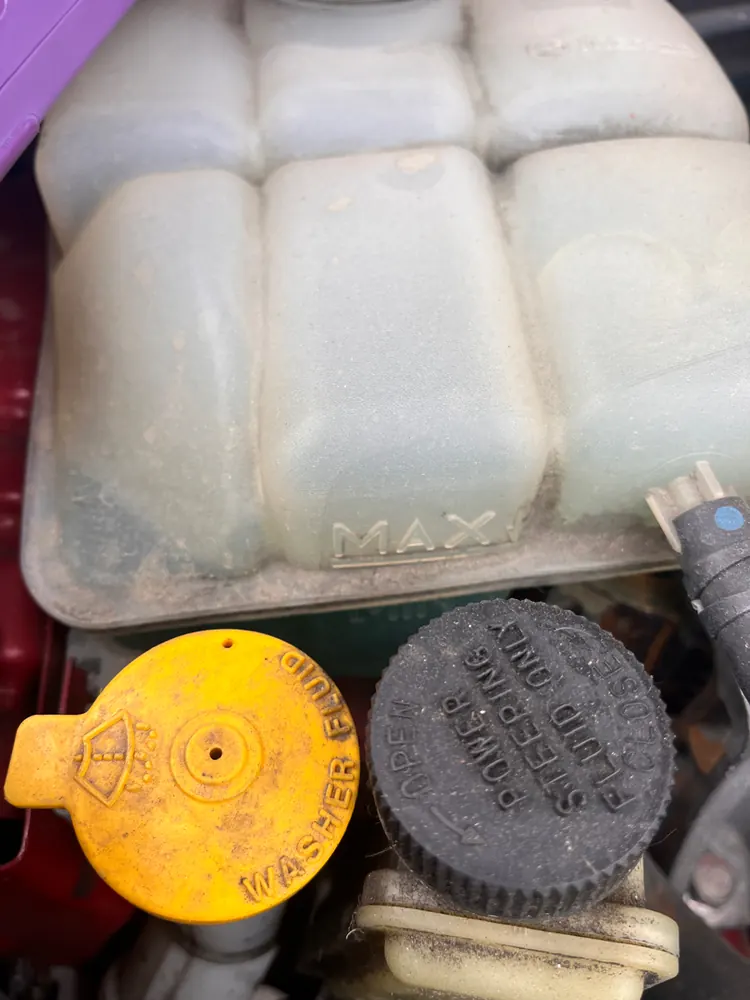
Climbs are hard on the cooling system for the same reason. Watch the temperature gauge on the way up. If it starts to climb, ease off and move right. Our guide to overheating in summer heat walks through what to do if it keeps going up.
The 2-2-2, 330 and 4-4-4 Rules
The same idea comes in a few sizes. Pick the one that fits your rig and your trip.
| Rule | Miles a Day | Arrive By | Nights | Best For |
|---|---|---|---|---|
| 2-2-2 | 200 | 2 pm | 2 | New drivers, big trailers, mountain routes |
| 3-3-3 | 300 | 3 pm | 3 | Most trips |
| 330 | 330 | 3:30 pm | Not set | A bit more room on travel days |
| 4-4-4 | 400 | 4 pm | 4 | Long hauls with more days at each stop |
The 2-2-2 and 3-3-3 numbers come from Cozy Camper, an RV service company in Texas. The 330 rule comes from Campers Inn RV, which posted it on October 7, 2025. RVshare spells out the 4-4-4 rule in its guide to the 3-3-3 rule, last updated September 21, 2026. It trades longer drive days for longer stays. At 55 mph, 400 miles is close to 8 hours on the road, so we would only tow that far on flat ground with two drivers.
One thing to watch. Some pages pair 200 miles with 2 to 3 hours of driving. That only works at 67 to 100 mph. At the 55 mph towing limit, 200 miles is closer to 3 hours and 40 minutes before you stop once. Plan by the table above, not by the catchy number.
Before Day One, Check the Big Stuff
The rule keeps a good rig healthy. It cannot save one that left home with a problem. The DMV RV handbook lists what to check before a trip. Tires, rims, lug nuts, brake linings, oil, coolant, power steering fluid, belts, hoses and lights. Most of that is a look you can do in the driveway. The parts you cannot see well are the ones we test.
- Brakes. Pad and rotor thickness on the motorhome or tow truck, plus trailer brake function.
- Cooling. Hoses, radiator, fan and coolant condition, since grades push it hardest.
- Charging. Battery and alternator test, so a slow crank does not strand you at camp.
- Leaks. A clean look under the rig before you load it.
Our mobile RV repair page covers what we do on motorhomes and tow vehicles. We come to your driveway or storage lot, so the rig does not have to fit in a bay. For pricing, see what a mobile mechanic costs.
Supercanic tip. Book a pre-trip look a week before you leave, not the day before. That leaves time to get a part in. We text estimates, so you see the price before any work starts. Call (951) 904-2477.
Frequently Asked Questions
What is the 3-3-3 rule for RVs?
Drive no more than 300 miles a day, arrive at camp by 3 pm, and stay at least 3 nights. It is a pacing habit, not a law, and it keeps both the driver and the rig from wearing down.
What is the 2-2-2 rule for RVs?
It is the slower version. Drive no more than 200 miles, arrive by 2 pm and stay 2 nights. It suits new drivers, big trailers and mountain routes.
What is the 330 rule for RV travel?
Drive no more than 330 miles and arrive by 3:30 pm. It gives a little more room on travel days and does not set a number of nights.
How many hours a day should you drive an RV?
There is no set number. The California DMV says to rest 15 to 30 minutes every two to three hours. Towing at 55 mph, 300 miles takes about 6 hours with two short stops.
How fast can you drive an RV towing a trailer in California?
The California Driver Handbook puts the limit at 55 mph for vehicles towing trailers, unless a lower limit is posted. You must also stay in the far right lane or a lane marked for slower vehicles.
Is 300 miles a day too much in an RV?
For most people, no. But it is a full day when you tow in California. If the route has steep grades or you are new to the rig, drop to 200 miles.
Sources
- Cruise America, What Is the 3-3-3 RV Travel Rule and Why It Is Important
- California DMV, California Driver Handbook, Section 8 Safe Driving
- California DMV, Recreational Vehicles and Trailers Handbook DL 648 Revised November 2011.
- RVshare, What Is the 3-3-3 Rule for RVing? Updated September 21, 2026.
- Jalopnik, Here's What the 3-3-3 Road Trip Rule Means May 22, 2026.
- Campers Inn RV, Understanding the 333 Rule vs. the 330 Rule for RVers October 7, 2025.
- Cozy Camper Mobile RV Services, Understanding the RV 222 and 333 Rule December 29, 2023.
Sources checked October 13, 2026.
Heading Out in the RV?
We check the brakes, cooling and charging system where your rig is parked, and text a written price before any work starts.