Quick answer. This 1998 Honda Accord EX was running earlier that day. Then it would crank and act like it wanted to start, but it would not. Our tech tested it and found low compression on all cylinders. An engine needs compression to run. The diagnosis was one hour, $125.
Recap Up Front
- The Accord was running earlier the same day.
- It cranked and wanted to start, but would not.
- Our tech found low compression on all cylinders.
- Low compression on every cylinder points inside the engine, not at a sensor.
- The diagnosis was $125 for one hour.
Read our guides a lot? Star Supercanic as a source in Google and our new posts show up more often in your Top Stories.
Running in the Morning, Dead at Night
The owner said the car was running earlier that day. Now it would crank and try to catch, but it would not start.
That is a frustrating kind of no start. The battery is fine. The starter works. The engine turns over. It just will not fire.
What Our Tech Found
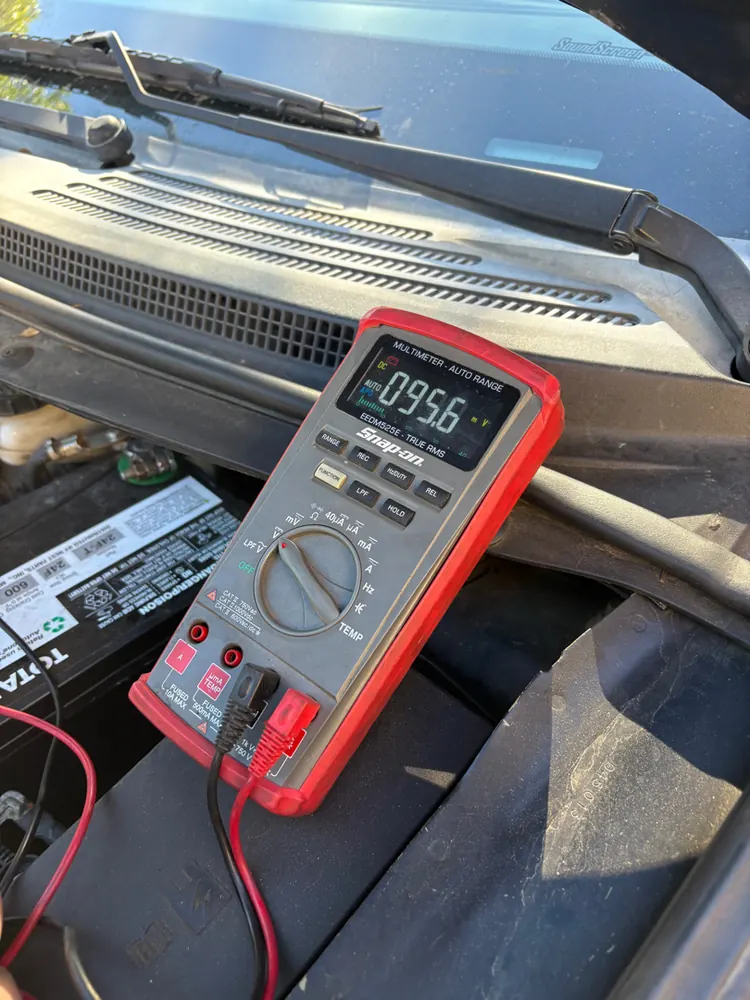
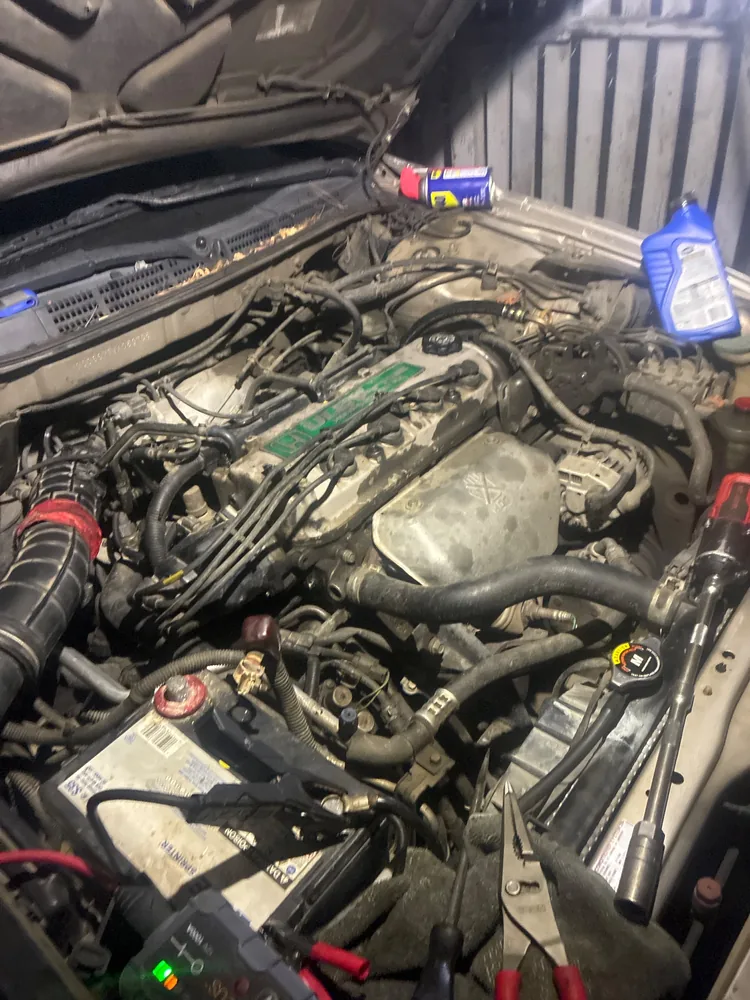
Our tech hooked a jump pack to the battery. Weak cranking can throw off a test, so the battery side was covered.
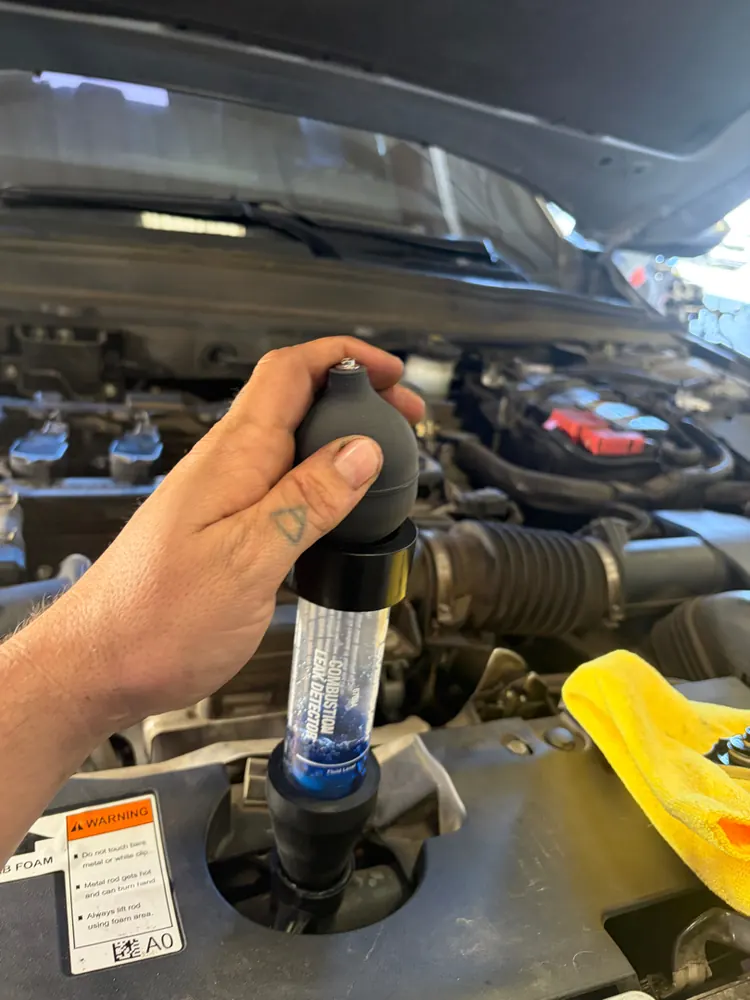
Then our tech tested compression. Every cylinder was low.
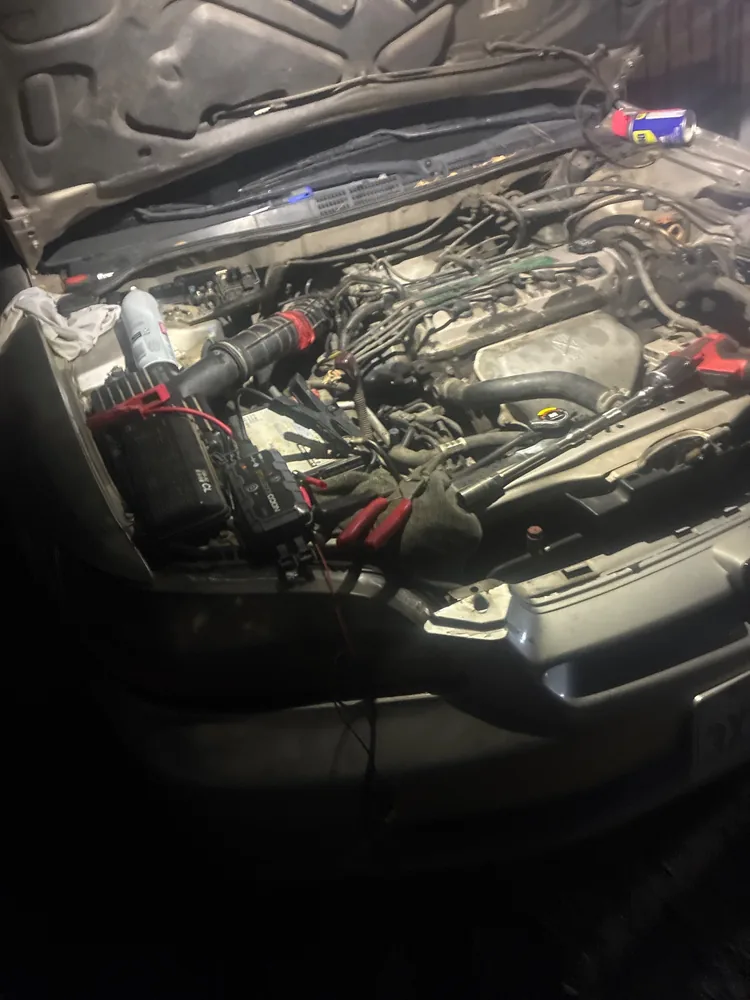
An engine works by squeezing air and fuel before it lights it. If the cylinders cannot hold that squeeze, there is nothing to light. It cranks, it tries, and it does not run.
One low cylinder points at that one cylinder. Low on all of them points at something they share. That is a bigger question, and it is inside the engine.
The Job on One Card
1998 Honda Accord EX, October 3
Came in with: no start. Was running earlier that day. Wants to start but won't.
Tech found: low compression on all cylinders.
Work done: one hour of no start diagnosis.
Cost: $125.
We are not going to guess at the cause on a blog. The record says low compression on all cylinders, and that is where it stops.
Why This Test Saves Money
Without the compression test, the next step is easy to guess. New plugs. A fuel pump. A crank sensor. All of those are cheaper than engine work, and none of them would fix low compression.
A $125 test told the owner where the real problem was before they spent money on parts that would not help.
It also gives them what they need for the hard question. On a car this old, is it worth fixing? That is the owner's call, and now they can make it with a real number.
What Low on All Cylinders Can Mean
Our record stops at low compression on all cylinders. It names no cause, and we still will not name one. This part is general background, not a verdict on this car.
Timing is one of the first things to check on this kind of failure. This generation of Accord runs a timing belt, not a chain. The belt keeps the valves in step with the pistons.
One engine guide says that when all cylinders are low and oil does not help, the most likely cause is camshaft timing that is off. It also says a belt can skip and leave low readings.
A belt that snaps is the harsher version. A repair guide written for a Toyota with a timing belt says the engine then cranks faster than usual and can show 0 PSI on every cylinder. Our record says low. It does not say zero, so nobody should read this as a broken belt on this car.
The owner said it ran earlier that day. That proves nothing alone, but tell your mechanic. It helps sort a sudden problem from slow wear.
The Tests That Come Next
First is a wet test. A little oil goes in the low cylinder and it gets tested again. One compression guide says a jump of 40 PSI or more points at the rings. A rise of about 5 PSI points more at the valves.
Next is a leak down test. Air goes into the cylinder and the tester reads how much gets away. Identifix says under 10% is normal and over 30% means a serious sealing problem.
A leak down test also shows where the air goes. Air at the tailpipe points at an exhaust valve. Air at the throttle body points at an intake valve. Air in the coolant points at a head gasket or a cracked head.
Get those answers before you pay for a repair quote on a car this old.
Recalls to Check on a 1998 Accord
If you keep a car this old, check it for open recalls. It costs nothing.
NHTSA lists recalls on certain 1998 Accords. The worst is a driver air bag inflator that can absorb moisture and rupture, throwing metal fragments in a crash. Honda says dealers will inspect it and replace it if needed, free of charge.
The same NHTSA list has front ball joints that can wear early, and ignition switch contacts that can wear and stall the engine. Those recalls cover certain cars, not every one. Our record does not say if any were open on this car. Your VIN is what settles it.
Quick Hits
Why does my car crank but not start?
It needs spark, fuel and compression. On this Accord, compression was low on all cylinders, so the engine could not fire.
What does low compression on all cylinders mean?
Something all the cylinders share is not sealing. It points inside the engine. A mechanic should test further before quoting a repair.
How much is a no start diagnosis?
This one was one hour, $125. You get the finding before you pay for parts.
Is a 1998 Accord worth fixing with low compression?
It depends on the repair cost and the car. Get the real number first, then decide. Our post on whether a car is worth fixing can help.
Supercanic tip: If your car cranks fine but will not start, do not keep cranking it. Long cranking drains the battery and can flood the engine. Call us at (951) 904-2477.
What We Read
NHTSA, Recalls for the 1998 Honda Accord
Dannys Engine Portal, Wet Compression Testing Is a Step Up From a Regular Test April 13, 2026
Dannys Engine Portal, Compression Test, How to Do It Dry or Wet April 12, 2026
Troubleshoot My Vehicle, How to Diagnose a Broken Timing Belt
Identifix, How to Do a Cylinder Leak Down Test April 16, 2025
Cranks But Won't Start?
We test spark, fuel and compression before anybody names a part.